



A Practical Guide to Timber Sustainability
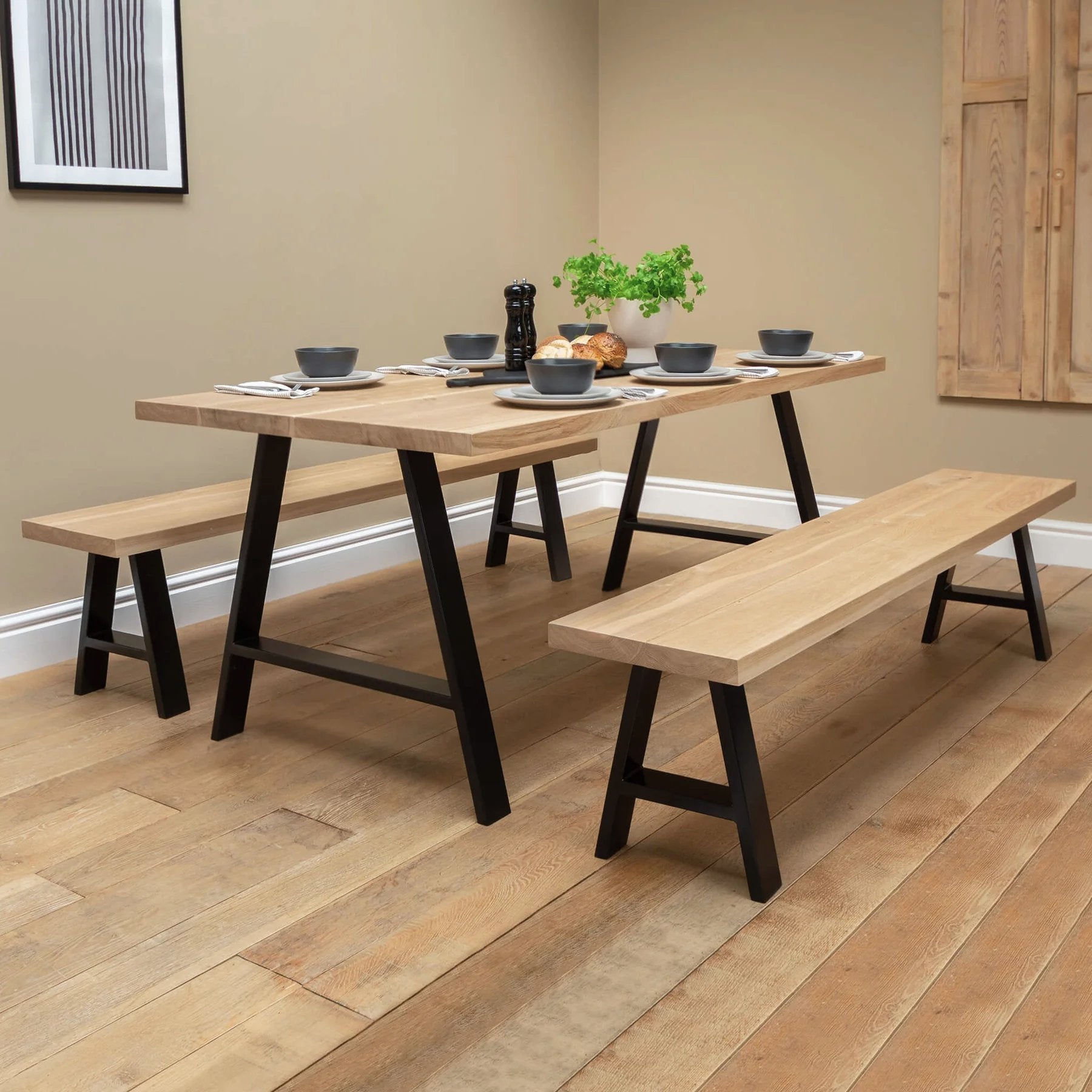
A dining table carries more than plates and homework. It becomes the place for birthday candles, slow Sunday breakfasts and the conversations that run longer than planned. For a piece with such a central role, the timber behind it matters. This guide to timber sustainability is designed to help you choose furniture that feels right in your home and makes sense for the long term.
Sustainable timber is not simply a fashionable label or a pale, unfinished look. It is about where the wood comes from, how thoughtfully it is used, how long the finished piece will serve your family and what happens when its first chapter in your home is over. A well-made solid wood table can be repaired, refinished and cherished for generations. That is a very different proposition from furniture made to be replaced after a few years.
What makes timber sustainable?
At its heart, timber sustainability means using wood in a way that respects forests, avoids needless waste and supports a future supply of healthy trees. Trees are a renewable resource, but only when forests are carefully managed, harvested responsibly and given time to regenerate.
For furniture buyers, the practical question is provenance. Can the maker explain the species of timber, its source and why it has been selected? Clear answers are a good sign. Responsible timber should come from legal, well-managed sources, with supply chains that can be traced rather than guessed at.
There is also a wider point. Timber is only as sustainable as the product it becomes. A small amount of wood used in a table built to last 30 years can be a better choice than a larger volume used in short-lived furniture that soon ends up discarded. Longevity is not an extra benefit of sustainable furniture. It is central to it.
The guide to timber sustainability starts with the material
Different woods have different characters, strengths and practical considerations. There is no single species that is automatically the best choice for every home or every design.
Why oak remains a lasting choice
Oak has long been valued in British homes for good reason. It is strong, naturally beautiful and full of individual character, from its grain pattern to its occasional knots and colour variation. Properly dried and carefully made into furniture, it has the density to stand up to everyday family life.
Its durability matters. An oak dining table can tolerate the gentle knocks, spills and wear that come with being properly used. It can also be sanded and refinished when needed, allowing its surface to be renewed rather than replaced. That repairable quality gives solid oak a useful advantage over thin veneers or laminated boards.
Oak does require an investment, and it is heavier than many alternatives. It may also move slightly with changes in temperature and humidity, which is a natural property of real wood rather than a fault. A skilled maker accounts for this movement in the construction, allowing the timber room to breathe through the seasons.
The value of reclaimed timber
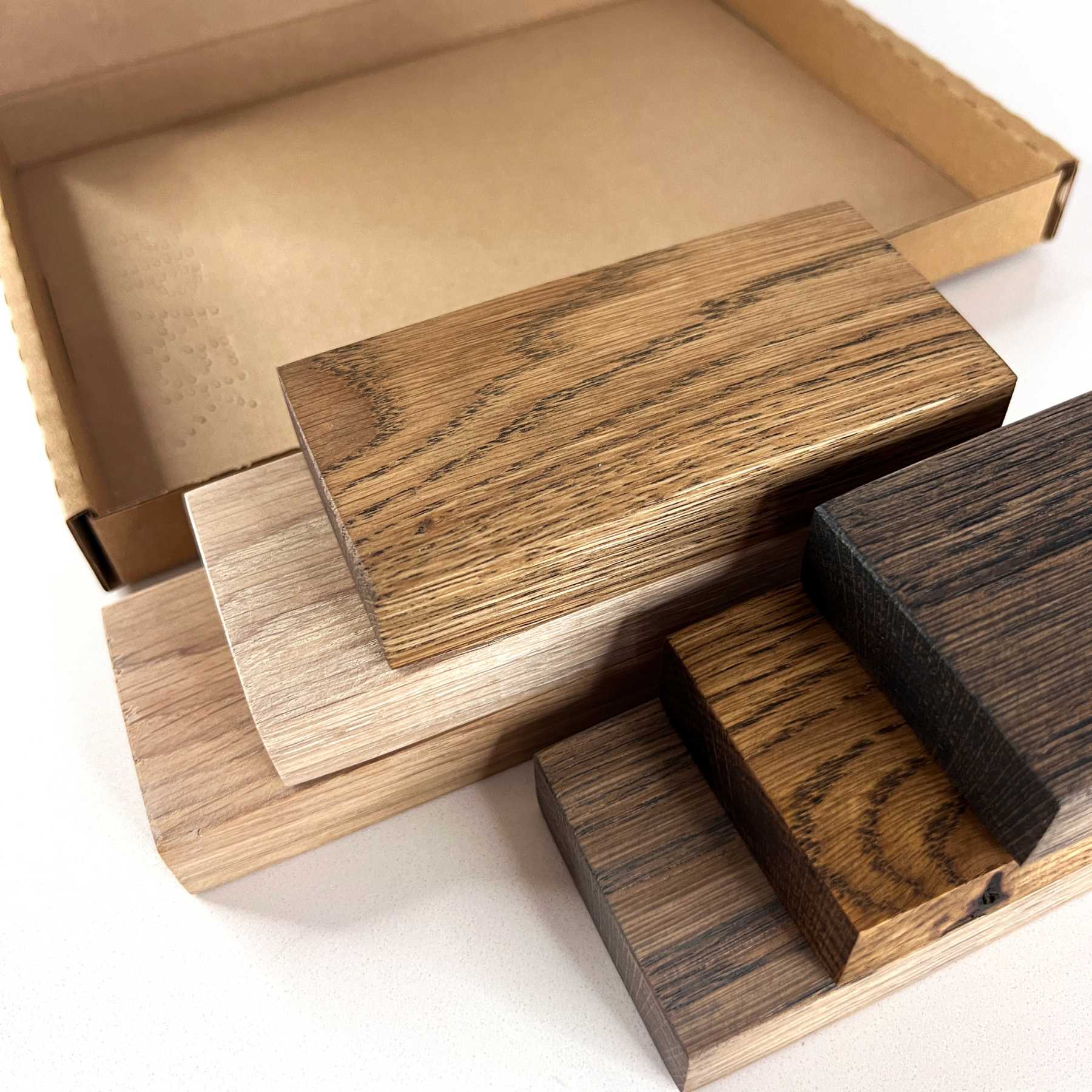
Reclaimed timber offers another thoughtful route. It gives existing material a second life and often brings a depth of character that new wood cannot imitate. Old boards may show filled marks, rich tonal variation, saw marks and evidence of their previous use. For rustic or industrial-style furniture, these details are part of the appeal.
However, reclaimed does not automatically mean lower impact. Timber must be carefully inspected, cleaned, dried and prepared before it can be made into a stable piece of furniture. Its history may also make exact colour matching or perfectly uniform surfaces unrealistic. If you love the individuality of reclaimed wood, these variations are a feature worth welcoming.
Look beyond a sustainability claim
Words such as “eco-friendly” can be reassuring, but they are too broad on their own. A responsible furniture purchase calls for a little more curiosity. Ask whether the timber has been responsibly sourced, whether the piece is made from solid wood or a wood-based board, and where the furniture is manufactured.
Local or UK-based craftsmanship can reduce the distance between workshop and home, while also making it easier to understand how the piece has been built. It does not mean every component will be sourced from next door, but it offers greater connection and accountability than an anonymous product travelling through a long chain of suppliers.
It is also worth considering how much material is being used well. A maker who works with natural grain, accepts honest variation and designs around timber sizes can often minimise unnecessary waste. Offcuts may be used for smaller pieces, shelves or samples rather than simply being treated as surplus.
Build quality is an environmental choice
The most sustainable table is not necessarily the one with the lightest marketing message. It is the one you will still want in your home many years from now.
Look for solid construction, well-considered joinery and materials chosen for their job. A substantial tabletop, strong legs and a sound frame create the foundation for a piece that can be lived with properly. Metal bases can be an excellent partner for timber when they are made to last, offering strength and a distinctive industrial edge without compromising the warmth of the wood.
Made-to-order furniture can also help prevent waste. Choosing the right length, width and height for your room means you are less likely to outgrow the piece or replace it because it never quite worked. A table that comfortably seats your household, fits the room and leaves space to move around is more likely to become part of daily life for the long haul.
At Willen Rose, this is why bespoke sizing and material choices are treated as practical parts of the process, not finishing touches. Furniture should suit the way your household gathers, eats, works and celebrates.
Choose a finish you can live with
A finish protects timber, but it also shapes how a piece looks, feels and ages. Oils and hardwax oils are popular for solid wood furniture because they allow the grain to remain tactile and can often be refreshed in specific areas. They tend to offer a natural, low-sheen appearance that works especially well with oak.
Lacquered finishes can provide stronger surface protection and may suit homes where quick cleaning is a priority. The trade-off is that repairs can be less straightforward if the surface is deeply damaged. Neither option is universally right. The best finish depends on the timber, the design and how you expect to use the furniture.
For a busy dining table, the most useful question is not whether it will remain pristine. It will not, and nor should it need to. Ask instead whether the finish can be maintained and whether small signs of life will add to the table’s character rather than spoil it.
Care helps timber last longer
Sustainability continues after delivery. Simple habits can protect a solid wood piece for years: use mats or trivets beneath hot dishes, wipe spills promptly, avoid harsh chemical cleaners and keep furniture away from persistent direct heat. Central heating, wood burners and strong sunlight can all affect timber over time.
Wood responds to its surroundings. A centrally heated home may see tiny seasonal changes in the surface or joints, particularly during dry winter months. Keeping the room at a reasonably stable temperature and humidity level is kinder to furniture than dramatic swings.
When a table eventually shows its age, do not assume it has reached the end of its life. A light refresh of oil, professional repair or careful sanding can often restore a surface beautifully. Solid wood rewards this sort of attention. It was made from a material that has already spent decades growing, so it deserves more than a disposable attitude.
Buy for your home, not a short-lived trend
A sustainable choice should still be one you genuinely love. If a table is bought only because it appears virtuous but never feels at home in your space, it may not stay with you for long. Choose a shape, timber tone and style that you can imagine living with through changing paint colours, family routines and seasons of life.
Natural timber has a rare ability to settle into a home rather than date within it. Its grain will catch the morning light differently each day, its surface will gradually tell the story of meals shared around it, and its small marks will become familiar. Choose it thoughtfully, care for it well, and it can become one of the most enduring things in the room.