



Best Sofas for Busy Households

By the time a sofa has hosted film nights, muddy paws, biscuit crumbs, sleepy children and the odd cup of tea balanced too close to the arm, you learn very quickly whether it was made for real life or simply made to look good in a showroom. The best sofas for busy households need to do both. They should feel inviting at the end of a long day, sit comfortably for years, and cope with the ordinary wear that comes with a well-lived-in home.
That usually means looking beyond colour swatches and first impressions. In a family sitting room, a sofa is not a decorative extra. It is where life happens. So the right choice comes down to construction, fabric, cushion filling and shape, with style following close behind.
What makes the best sofas for busy households?
A busy home places very different demands on furniture than a formal sitting room. You are not choosing for occasional use. You are choosing for daily routines, repeated spills, children climbing over the back, pets claiming a corner, and everyone wanting the most comfortable seat in the house.
A strong frame matters first. Hardwood frames tend to offer the durability needed for long-term family use, particularly when they are properly joined rather than lightly stapled together. This is one of those details you may not see once the sofa is upholstered, but it makes a significant difference over time. A well-made frame keeps its shape, feels solid when you sit down and avoids that tired sagging look that cheaper sofas often develop too soon.
The next question is upholstery. Households with children or pets usually need more than a beautiful fabric. They need one that can forgive a little. Tightly woven materials are often a sensible choice because they are more resistant to snagging and everyday abrasion. Pattern can help too. Plain pale fabrics may look calm and elegant, but they show every mark. A textured weave, richer tone or softer pattern tends to be easier to live with.
Then there is comfort. A sofa used every day should not feel precious. Deeper seats are ideal for lounging, but not everyone finds them easy to sit upright in. If your household uses the sofa for everything from reading to homework to evening television, a balanced seat depth is often the safest choice. It depends on who will use it most, and how.
Fabric choices that work hard
Fabric is often where practicality and personal taste meet. The best choice is rarely the one that looks immaculate under perfect lighting. It is the one that still looks good after months of ordinary life.
Wool blends are often a very strong option for family homes. They wear well, feel naturally warm and have a pleasing texture that suits both country and contemporary interiors. They can also be forgiving in appearance, particularly in mid-tones and flecked weaves. Leather has its own appeal, especially if you like furniture that gains character as it ages. It is easy to wipe down, and in the right home it can be an excellent long-term investment. That said, leather is not always ideal for every household. Pet claws can mark it, and some people find it less cosy in day-to-day family use.
Velvet can work surprisingly well if it is a durable, high-quality upholstery velvet rather than a delicate decorative fabric. It has depth, softness and a lovely richness, and it often brushes back into shape more easily than people expect. The trade-off is that it shows pile movement and may need a little more regular care to keep it looking even.
Removable covers are worth considering if easy cleaning is high on your list. They are practical, especially with young children, though fitted upholstered sofas often have a smarter, more tailored look. It comes down to whether convenience or a sharper silhouette matters more in your home.
The best sofa shapes for family life
Not every busy household needs the same sort of sofa. The right shape depends on your room, your routines and how many people use the space at once.
A classic three-seater works well in many homes because it offers generous seating without dominating the room. It is often easier to arrange than a large corner sofa, and it leaves more flexibility if your layout changes later. If you have the space, pairing it with an armchair or snugger can create a more adaptable sitting area than relying on one oversized piece.
Corner sofas are popular for good reason. They can make a room feel sociable and relaxed, particularly in open-plan spaces where the living area needs to work hard. They are excellent for households that gather together in one room most evenings. The main drawback is scale. A corner sofa that is too large can take over the room and limit your options if you move things around.
Chaise-end sofas offer somewhere to stretch out without the full footprint of a corner design. For many homes, they strike a good balance between comfort and practicality. Just be sure the chaise suits the natural flow of the room rather than interrupting it.
If your sitting room is used for guests as well as day-to-day family life, a sofa bed may earn its keep. The key is not to compromise too heavily on comfort. Some sofa beds are still better as occasional beds than everyday sofas, so it is worth paying close attention to the seat support and mattress quality.
Cushion fillings and why they matter
The cushions you choose will affect both comfort and maintenance. This is where many buyers find there is no single perfect answer.
Feather-filled cushions have a relaxed, luxurious feel that many people love. They soften beautifully and look inviting, but they do need plumping. In a busy household, that can become a chore unless you are happy with a more lived-in appearance.
Foam cushions are neater and more structured. They hold their shape well and tend to need less day-to-day attention, which makes them practical for family life. The downside is that some can feel firmer, particularly when new.
A fibre or foam-wrap filling often offers a middle ground. It gives comfort without too much maintenance and can keep a sofa looking tidy for longer. For many homes, this is the most workable option.
How to spot lasting quality
The best sofas for busy households are usually the ones built with patience and care. Quality reveals itself in small things - the weight of the frame, the neatness of the upholstery, the consistency of the seat cushions and the sense that the whole piece has been properly made rather than quickly assembled.
Look for hardwood frames, well-fitted upholstery and supportive suspension. Seat support is especially important. A sofa may feel soft in a showroom, but if it lacks proper structure underneath, it may not age well. Good support helps the sofa remain comfortable year after year.
This is where British-made furniture still stands apart. Craftsmanship brings a level of attention that mass production often misses. At Willen Rose, that belief runs through everything we value in home furnishings - pieces chosen not just for first impressions, but for how they live with you over time.
Style still matters - but choose style that forgives life
Practical does not have to mean plain. Some of the most characterful sofas are also the easiest to live with. Rich earthy tones, warm neutrals and textured fabrics all suit busy homes beautifully because they add depth while disguising the small marks of daily use.
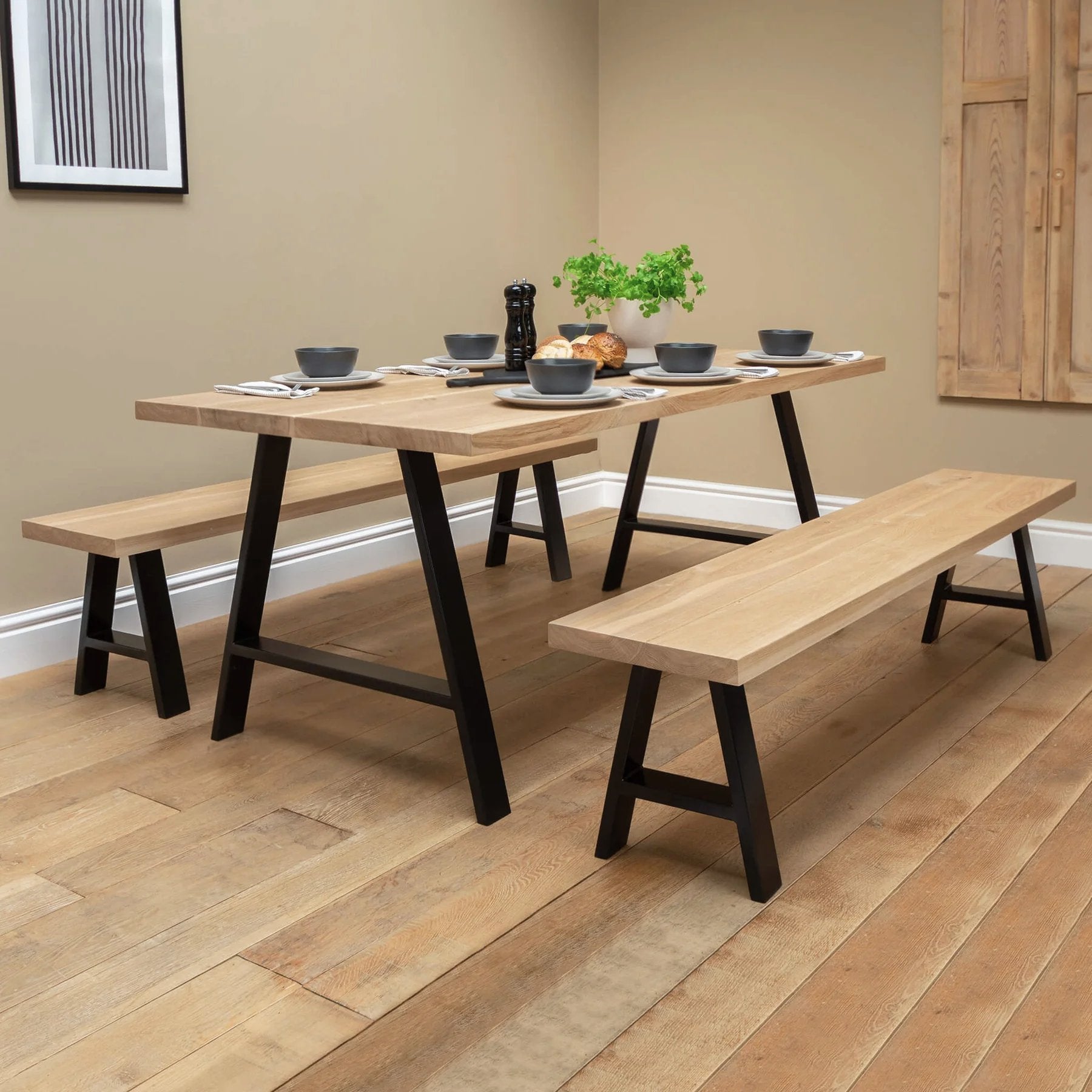
If your room already includes solid wood furniture, consider how the sofa will sit alongside it. A heavily overstuffed design may feel too bulky in a room with clean-lined oak tables or industrial details. Equally, a very minimal sofa can feel stark in a softer, more rustic interior. The aim is balance. You want a sofa that complements the rest of the room while still inviting people to use it properly.
Leg height is another detail worth considering. Sofas with visible legs can make a room feel lighter and are easier to clean underneath. Lower, skirted designs feel cosy and traditional, though they can be less practical if dust and toys tend to disappear beneath furniture.
Buying for the home you actually have
One of the most common mistakes is buying for an idealised version of home life rather than the one you already know. If your dog always sleeps on the left-hand cushion, if your children treat the sitting room as a den, or if everyone piles onto the sofa on a Sunday afternoon, let that shape your choice.
Measure carefully, think about access, and be honest about maintenance. A pale linen sofa may look beautiful, but if you know it will make you anxious every time someone sits down with toast, it is probably not the right fit. The best choice is the one that gives you confidence to enjoy your home, not tiptoe around it.
A well-chosen sofa should settle into family life with ease. It should feel generous, dependable and made to be used. And when you find one built with proper materials, thoughtful design and comfort that lasts, it becomes more than seating. It becomes part of the rhythm of the house, quietly holding the everyday moments that matter most.