



Choosing the Right Industrial Coffee Table
A good industrial coffee table earns its place quickly. It holds the mugs, catches the books, takes the weight of tired feet at the end of the day and often becomes the quiet centre of the sitting room. If you are choosing one for a home you plan to live in for years, not months, the right table needs to do more than look the part.
Industrial style has stayed popular because it balances character with honesty. You can see the grain in the timber, the texture in the steel and the small details that give a piece its presence. Done well, it feels solid, useful and unfussy. Done badly, it can feel cold, thin or overly manufactured. That is why the materials and proportions matter so much.
What makes an industrial coffee table work?
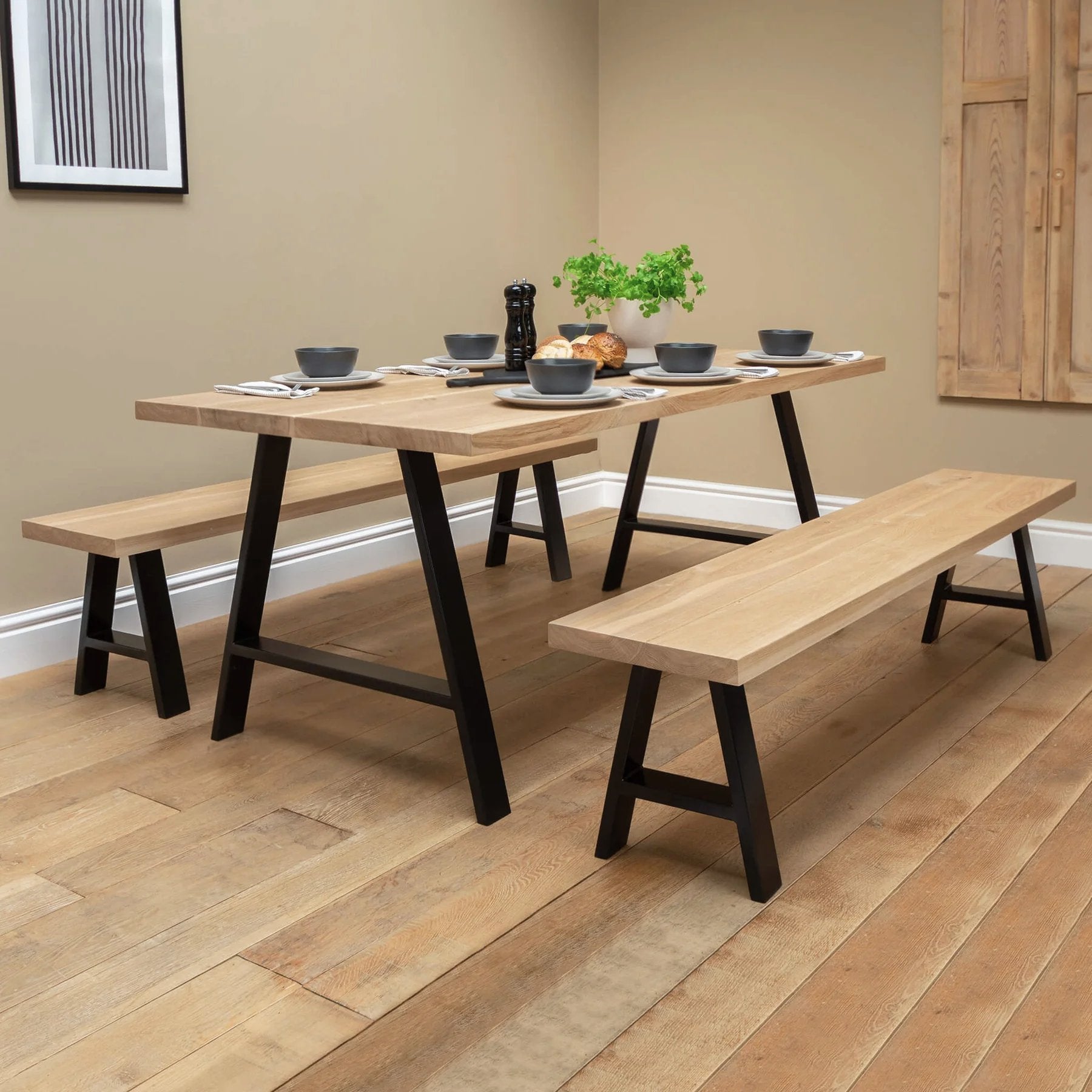
At its best, an industrial coffee table brings together two very dependable ingredients - real wood and metal. The timber adds warmth, depth and variation, while the frame gives strength and a clean architectural outline. That contrast is what gives the style its appeal. It sits comfortably in a modern house, but it can also soften beautifully into a country home, a townhouse or a barn conversion.
The word industrial can mean different things depending on the piece. Some tables lean heavily into darker metal, raw finishes and bold lines. Others take a gentler approach, using oak or reclaimed timber to add warmth and keep the room feeling relaxed. For many homes, that softer balance is the one that lasts. A table should have presence, but it should not dominate the whole room.
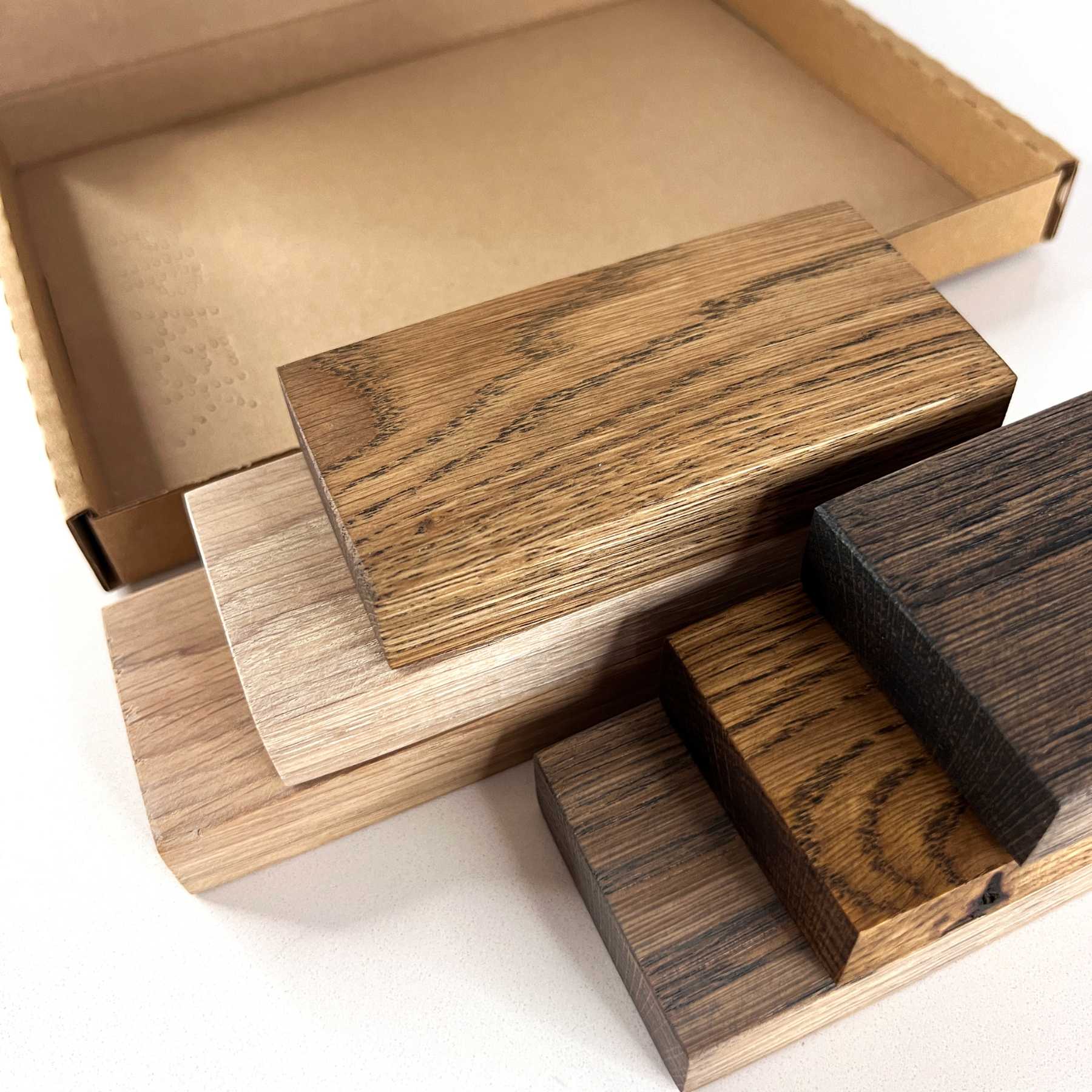
The feel of the wood plays a big part here. Rustic oak, for instance, has knots, grain movement and natural variation that stop the metal from feeling stark. Reclaimed wood brings even more texture and story, with marks and tonal shifts that make each piece a little different. Smooth, perfectly uniform surfaces can suit some interiors, but in family homes there is often something more welcoming about timber that already has character.
Getting the size right
The quickest way for a coffee table to feel wrong is through scale. Too small, and it looks like an afterthought. Too large, and it gets in the way of everyday life. A well-sized industrial coffee table should sit comfortably with your sofa and leave enough room to move around it without feeling cramped.
As a rule, the table should be proportionate to the seating around it rather than trying to fill every inch of floor space. In many living rooms, a table that spans around half to two thirds of the sofa length feels balanced. Height matters too. A coffee table that sits around the same height as the sofa seat, or just a touch lower, tends to be the most comfortable to use.
Walkways are equally important. If the room is used by children, dogs or a busy household in general, leave enough space to pass around the table easily. It is one of those choices that sounds practical rather than exciting, but it makes a real difference once the furniture is in place. A beautiful table still needs to work on an ordinary Tuesday evening.
Materials matter more than trends
If you are investing in a piece for the long term, construction matters far more than surface fashion. Solid wood has a weight, resilience and authenticity that veneered alternatives simply cannot replicate. It ages well, develops character and can cope with the knocks and marks that come with real use.
Metal frames should feel sturdy and properly made, not lightweight or hollow. A strong steel base gives the table its industrial backbone, but it should support the design rather than steal attention from the timber top. Powder-coated finishes are often a sensible choice for everyday durability, especially in black or darker tones that sit neatly with oak and reclaimed wood.
There is also the question of finish. Oiled wood tends to enhance the natural grain and gives a softer, more tactile appearance. Lacquered finishes can offer extra protection and a more uniform look. Neither is automatically better - it depends on the feel you want and how the room is used. Homes with young children may lean towards something a little more forgiving, while others may prefer the richer, more natural look of an oil finish.
Industrial coffee table with storage - when it is worth it
Not every coffee table needs drawers or shelves, but storage can be invaluable in a living room that has to work hard. A lower shelf is useful for books, baskets or magazines. Drawers keep remotes, chargers and everyday clutter out of sight. If your sitting room doubles as a family room, that extra function can make the whole space feel calmer.
That said, storage changes the look of a table. Open-frame designs often feel lighter and more spacious, which can help in smaller rooms. Chunkier tables with drawers bring more visual weight and can become more of a feature piece. Neither is right for everyone. It comes down to whether you need the practical benefit enough to trade a little visual openness.
A bespoke approach is especially helpful here. The difference between a table that simply fits and one that feels made for the room often comes down to small adjustments in width, height or shelf spacing. For homeowners who have struggled to find the right proportions on the high street, made-to-order furniture offers a much more satisfying answer.
How to style it without making it look staged
The beauty of an industrial coffee table is that it does not ask for much. The materials already do the work. A few well-chosen pieces are usually enough - a stack of books, a ceramic bowl, a candle, perhaps a small tray to gather the daily essentials. The aim is not to dress the table as if no one uses it. The aim is to make it feel lived in and considered.
Soft furnishings in the rest of the room help create balance. Timber and metal can look striking on their own, but they are at their best when paired with texture - wool throws, linen cushions, a good rug underfoot. This stops the room from feeling too hard and gives the table a natural place within the wider scheme.
Colour also matters. Industrial pieces sit comfortably with warm neutrals, muted greens, deep charcoals and earthy tones. If your room already has plenty of wood, a darker metal frame can add definition. If the space leans cooler, oak or reclaimed timber helps bring warmth back in.
Will it suit your home in ten years?
That is often the real question behind any furniture purchase. A trend-led piece can look exciting at first and tiring later. An industrial coffee table tends to have more staying power because it is rooted in honest materials and practical design. It does not rely on ornament or novelty. It relies on proportion, craftsmanship and the natural appeal of wood and metal.
Still, there are variations that date more quickly than others. Very distressed finishes, overly heavy metalwork or exaggerated factory-style detailing can feel theatrical in an ordinary home. If you want longevity, it is usually wiser to choose a design with clean lines and let the character come from the materials themselves.
This is where British workshop craftsmanship has real value. A handmade piece can be built with the sort of restraint that keeps it timeless - strong construction, thoughtful details and timber selected for its natural beauty rather than forced effect. At Willen Rose, that belief sits at the heart of how furniture is made: practical, distinctive and crafted to last.
A piece that earns its keep
A coffee table may not be the largest item in the room, but it often sees some of the hardest use. It hosts family film nights, weekend newspapers, visiting glasses of wine and the everyday rhythm of home life. That is why it is worth choosing one with substance.
The right industrial coffee table should feel reassuringly solid, comfortably proportioned and easy to live with. It should bring warmth as well as structure, and it should still look right once the room evolves around it. Choose good timber, strong metal and a size that suits the way you actually live, and it becomes more than a finishing touch. It becomes part of the home where memories are made.