



Farmhouse Furniture That Feels Made for Home
A farmhouse home should never feel as though it has been assembled from a catalogue page. The best farmhouse furniture has presence: timber with grain you can see, proportions that feel generous, and surfaces that become more familiar with every shared supper, school project and Sunday morning coffee. It is furniture made to be properly lived with, not carefully avoided.
For many homes, that begins with choosing fewer pieces of better quality. A solid oak table, a substantial bench or a well-made wooden bed can set the tone for an entire room, bringing warmth without making it feel overly rustic or themed.
What defines farmhouse furniture?
Farmhouse style has its roots in practical country homes, where furniture was expected to work hard and last. Tables were built for preparing food as well as gathering around. Benches could be pulled in wherever another place was needed. Storage was sturdy, straightforward and made for daily use.
That useful honesty still matters. Farmhouse furniture is usually characterised by natural solid wood, visible grain, simple joinery and unfussy forms. Oak is a natural fit because it is strong, tactile and full of character, while reclaimed timber can bring a more weathered, individual finish. The aim is not perfection. A knot, variation in tone or a slight change in grain is often exactly what gives a piece its life.
The style does not have to mean dark beams, gingham and a room full of antiques. In a newer home, a clean-lined oak dining table can create farmhouse warmth without looking costume-like. In a period property, a more rustic top, turned legs or a painted base may sit beautifully with original features. It depends on the architecture of the house and how much character is already in the room.
Start with the piece that gathers everyone
The dining table is often the natural heart of farmhouse living. It is where family meals spill into homework, birthday candles, paperwork and long conversations after dinner. That is why its material and size deserve more thought than a quick measurement between two walls.
Solid oak is especially well suited to this role. It has the weight and resilience needed for everyday life, while its grain brings warmth to both light and darker interiors. A substantial top paired with a simple base feels grounded rather than fussy, and it will continue to look good as the room changes around it.
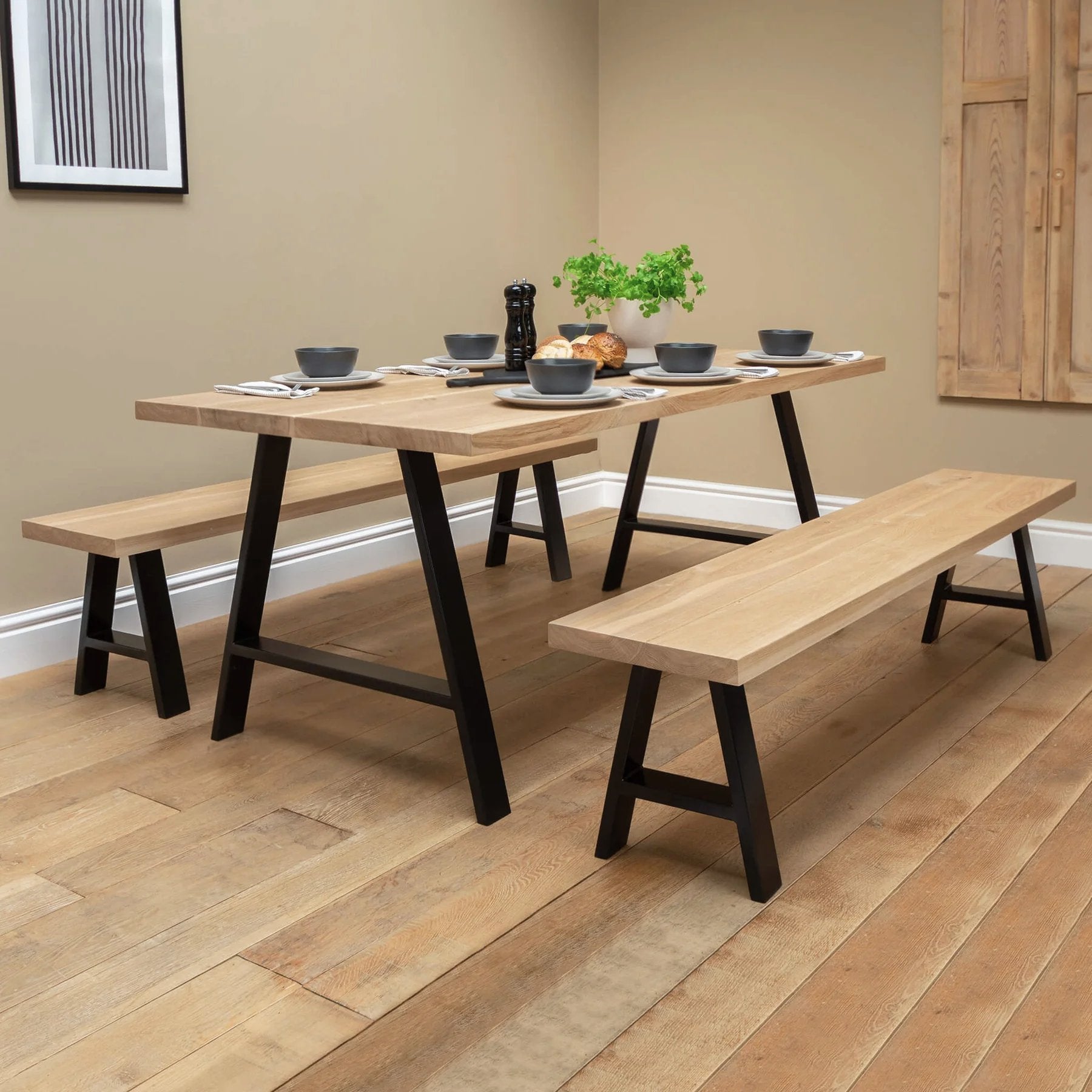
Size is where made-to-order furniture earns its place. A table should leave enough room to move chairs comfortably and pass behind seated guests, while still giving everyone a generous place setting. If the room is narrow, a bench on one side can save space and create a relaxed, sociable look. If you entertain regularly, an extending design may be worthwhile, though a fixed table is often the stronger choice when daily comfort and a clean silhouette matter most.
Think about the shape, too. Rectangular tables suit long rooms and larger gatherings, whereas a round or oval table can soften a square space and make conversation easier. There is no universal best option - the right one is the table that suits the way your household actually eats, hosts and moves through the room.
Chairs, benches and a little contrast
Matching every chair and bench is not essential. In fact, farmhouse rooms often feel more natural when materials are allowed to vary. Oak chairs alongside an upholstered bench, or a timber table with black metal-framed seating, can add depth without losing the relaxed feel.
A bench is particularly useful for families. It can accommodate one more person when needed, tuck neatly beneath the table and make a dining area feel less formal. The trade-off is back support: for lengthy dinner parties, chairs remain the more comfortable option. A combination of both usually offers the best of each.
Choose materials that improve with age
Farmhouse furniture should have a finish that is appropriate for real life. A dining table is going to meet water rings, serving dishes and the occasional enthusiastic crayon. A good finish provides sensible protection, but it should not leave wood looking plastic or erase the texture that makes it appealing.
Oil finishes tend to offer a natural, low-sheen appearance and can be refreshed over time. Lacquered finishes generally provide stronger resistance to spills and may suit a particularly busy family kitchen. Neither is automatically better. The decision comes down to the look you prefer and how willing you are to carry out occasional maintenance.
Solid timber also brings a welcome element of individuality. Every board has its own grain, colour and small natural features. These variations are not flaws to be hidden; they are evidence that the furniture began as a living material. Over time, sunlight and use will gently deepen its tone, adding to the sense that the piece belongs in your home.
For a more industrial take on the style, consider a solid wood top with a steel base. The contrast between warm oak and dark metal works particularly well in open-plan kitchens, converted spaces and homes with contemporary lighting. Keep the rest of the room restrained, however. Too much metal can make farmhouse warmth feel more like a workshop than a welcoming place to settle.
Bring farmhouse character beyond the dining room
A farmhouse look works best when it is carried through a home with care, rather than repeated in every corner. One or two meaningful timber pieces in each space will usually feel more convincing than a room crowded with matching furniture.
In the living room, a low oak or reclaimed timber coffee table gives the seating area a centre of gravity. Choose one with enough surface for trays, books and the everyday clutter of family life, but leave clear circulation around it. A generously scaled table can look wonderful, yet it quickly becomes inconvenient if it forces everyone to sidestep around the sofa.
In the bedroom, a solid wooden bed creates the same calm, settled feeling. Oak headboards and simple frames are timeless because they allow bedding, paint colours and textiles to evolve over the years. Pair them with softer elements - linen, wool, upholstered seating or a favourite lamp - so the room remains restful rather than overly timber-heavy.
Storage deserves equal attention. A well-built sideboard, console or chest gives everyday belongings a proper home while adding visual weight to a room. Look for practical details such as adjustable shelves, drawers that glide well and proportions that suit the space. Beautiful furniture still needs to earn its keep.
Getting the balance right in a modern home
The most successful farmhouse interiors balance texture with breathing room. Pale walls, natural flooring and simple window treatments allow oak furniture to do its job without competing for attention. Add softer layers through rugs, pottery, woven baskets and textiles rather than relying on decorative signs or too many distressed finishes.
Colour can take the style in several directions. Warm neutrals, soft greens and chalky blues complement oak beautifully, while deep charcoal or inky blue can make lighter timber stand out in a more contemporary scheme. If your home has low light, avoid filling it with heavy dark wood. Lighter oak, open-legged furniture and carefully placed mirrors will keep the space feeling generous.
Before commissioning or ordering a key piece, take time to consider four practical points:
- Measure the room, including doorways, turns and stair access for delivery.
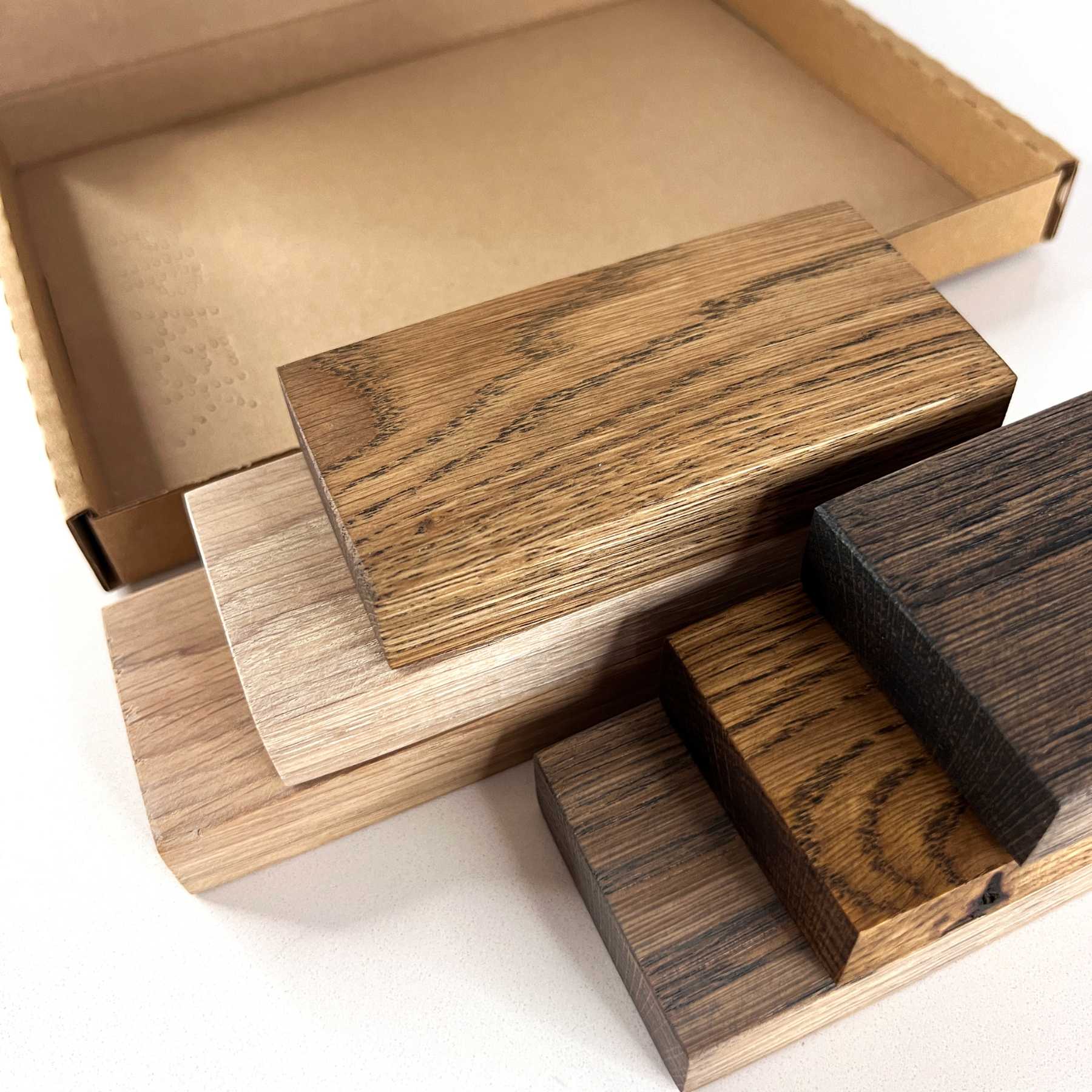
- Order timber samples where possible, then view them in the room at different times of day.
- Decide which marks are part of a well-loved finish and which level of protection your household needs.
- Be honest about how the furniture will be used, from daily family meals to occasional entertaining.
Buy for the years ahead
Farmhouse style has lasted because it is founded on values that do not date: useful design, honest materials and furniture with enough strength to take part in family life. Trends may influence the finish, leg style or colour around it, but a well-proportioned solid wood piece remains relevant.
Choose the table where people will linger, the bed that makes a room feel settled, and the storage that brings order without stealing character. When furniture is made with care and chosen for the life ahead, the small marks and changes are not wear and tear. They are the record of a home being lived in.