



FSC Timber Benefits for Furniture That Lasts
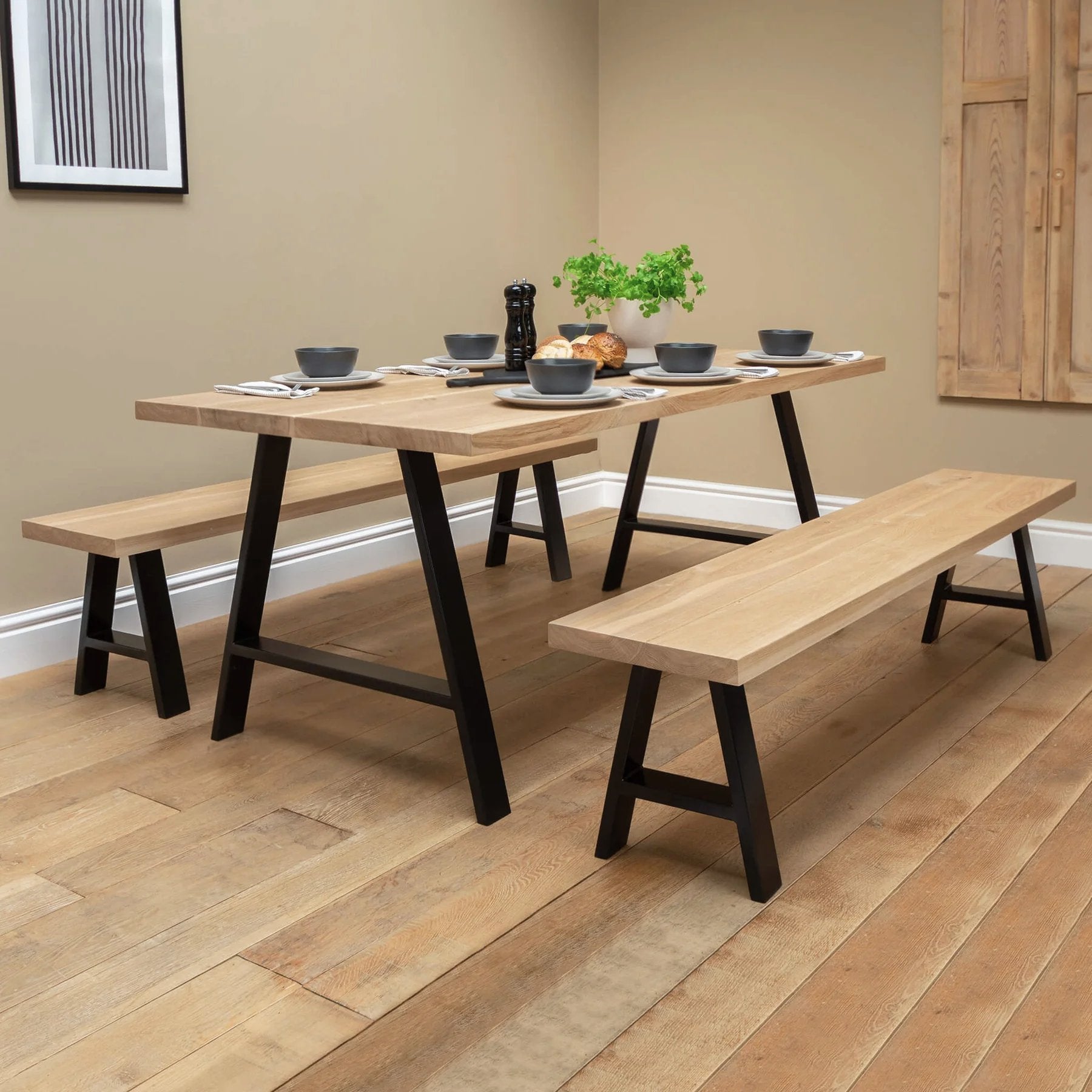
A solid oak dining table can be the place where breakfasts become hurried school-day briefings, Sunday lunches run long, and children’s homework slowly takes over the room. Choosing the timber for a piece like this matters. FSC timber benefits reach far beyond the look of the grain: they give buyers greater confidence that wood has been sourced with forests, wildlife and people in mind.
For furniture made to stay in a home for decades, responsible sourcing is part of the story, not an afterthought. It sits alongside the quality of the timber, the strength of the joinery and the care taken in the workshop.
What FSC certification means
FSC stands for the Forest Stewardship Council, an independent organisation that sets standards for responsible forest management. Its certification system is designed to support forests that are managed with environmental, social and economic care.
In practical terms, FSC standards address matters such as protecting habitats and biodiversity, respecting the rights of workers and local communities, and maintaining the forest’s ability to regenerate. Certification also requires a clear route through the supply chain, known as chain of custody. This helps businesses trace certified material from forest to finished product.
That traceability matters because timber often passes through several hands before it reaches a furniture workshop. A clear paper trail offers more assurance than a vague claim that a product is simply ‘eco-friendly’ or ‘sustainable’.
It is worth understanding that FSC labelling can vary. FSC 100% refers to material from FSC-certified forests; FSC Recycled refers to reclaimed or recycled sources; and FSC Mix may include a blend of certified, recycled and controlled material. Each has a place, but the label should be read properly rather than treated as a catch-all promise.
FSC timber benefits for a considered home
The most meaningful benefit is that your purchase can support better forestry practices. Well-managed forests are not untouched forests, nor are they forests cleared without thought. They are working landscapes managed to protect their long-term health while providing a renewable material for homes, buildings and furniture.
For a homeowner, that connection can feel refreshingly tangible. The dining table at the centre of family life is made from a natural material, and choosing responsibly sourced timber helps make the journey from forest to home more accountable.
Greater care for forests and wildlife
Forest management has consequences well beyond the trees that are harvested. Mature woodland can provide shelter, food and movement corridors for wildlife, while soils and waterways need protection from damaging practices.
FSC standards require managers to consider high conservation values and reduce harm to important habitats. The exact measures will differ between a plantation, a mixed woodland and a large forest estate, because responsible forestry is not a one-size-fits-all exercise. The principle is consistent: timber should be produced without treating the wider forest as expendable.
This does not mean every FSC-certified board is identical, or that certification alone solves every environmental challenge. Transport distances, processing, finishing materials and the lifespan of the furniture all matter too. Yet responsible forest management is a meaningful place to begin.
Better accountability through the supply chain
Furniture buyers are right to ask where wood comes from. The answer should be more substantial than a country name or a decorative marketing phrase.
Chain of custody certification is valuable because it follows certified timber as it is processed, sold and transformed. It gives suppliers and makers a recognised framework for handling claims about the material. For customers, it makes it easier to choose with confidence, especially when investing in a larger piece such as an oak table, bed frame or sideboard.
Clear sourcing is particularly welcome when buying made-to-order furniture. Rather than selecting a disposable item from a warehouse shelf, you are choosing a piece that will be made for your room, your measurements and your daily routine. Knowing more about the material is part of that considered purchase.
Support for people as well as trees
Forestry is about livelihoods as well as landscapes. FSC standards include social requirements concerning workers, local communities and Indigenous peoples. The details depend on the region, but the wider aim is straightforward: the people connected to a forest should not be ignored in the pursuit of timber.
That human element can be easy to lose sight of when looking at a beautifully finished oak top. Yet furniture is shaped by people throughout its life - foresters, sawmill teams, timber merchants, joiners, finishers and delivery crews. Responsible sourcing recognises that craftsmanship and care begin long before the workshop.
A natural fit for furniture made to last
The greenest piece of furniture is not necessarily the one with the most labels. A poorly made table, however responsibly sourced its timber may be, is still a poor long-term choice if it wobbles, splits prematurely or is replaced after a few years.
This is where FSC timber works best alongside proper craftsmanship. Solid wood can be repaired, refinished and, in many cases, passed on. A well-built oak dining table may gather small marks from family life, but those marks often become part of its character rather than a reason to throw it away.
Choosing a timeless design also helps. A table made to the right length, width and height is more likely to remain useful as your household changes. Benches can be tucked beneath it, chairs can be added later, and a durable surface can be renewed rather than discarded.
What FSC certification does not guarantee
FSC is an important mark of responsible sourcing, but it is not a shortcut for judging every aspect of furniture quality. It does not tell you whether a table has been properly seasoned, whether the joints are sound, or whether the finish suits a busy family kitchen.
Oak, for example, needs time to dry and acclimatise. Wood naturally responds to changes in temperature and humidity, so a skilled maker allows for movement in the construction. Wide solid-wood boards should not be fixed in a way that prevents them expanding and contracting through the seasons.
Nor does FSC certification automatically mean a product has a low overall carbon footprint. A long transport route, energy-intensive manufacturing or furniture designed for a short life can alter the picture. The most useful approach is to consider the whole piece: its source, build quality, journey, suitability for your home and likely lifespan.
Reclaimed timber is another worthwhile option, particularly for those drawn to rustic character and a history written into the surface. It may carry old nail holes, colour variation and saw marks that new oak does not. Reclaimed wood and FSC-certified new timber are not opponents; they are different material choices, each deserving an honest explanation of origin and condition.
Questions worth asking before you buy
A good furniture purchase should invite questions, not make them awkward. Ask whether the timber is FSC-certified and what type of FSC claim applies. Ask whether the maker or supplier can explain the chain of custody, and whether the piece is solid wood, veneer or a combination of materials.
It is also sensible to ask about construction, lead time, finishes and care. A family with young children may prefer a finish that is easy to maintain and a table top that welcomes everyday use. Someone furnishing a quieter dining room might favour a lighter, more natural finish that allows the grain to take centre stage.
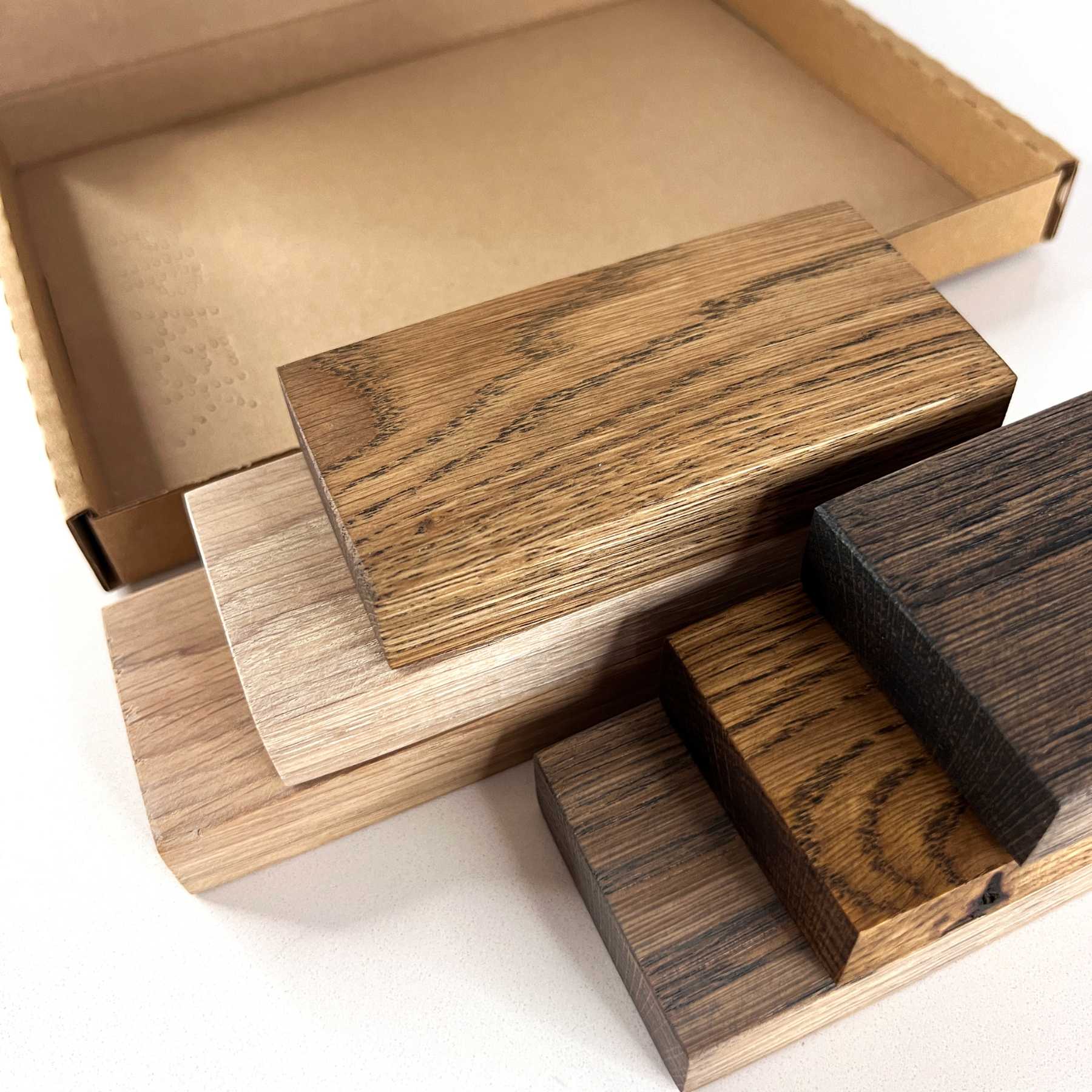
For bespoke furniture, measurements deserve the same attention as materials. Consider room for chairs, walkways, radiators and doors, not simply the space a table occupies when it is empty. A sample pack can be especially useful, allowing you to see the oak’s tone and texture in your own light before a final decision is made.
Choosing timber with confidence
The value of FSC timber is not just that it offers a recognisable symbol. It encourages a better standard of conversation about where materials come from, how forests are managed and what we expect from the furniture we bring into our homes.
A lovingly made piece of solid wood furniture should earn its place over years of meals, celebrations and ordinary evenings. Choose timber with a clear story, construction that respects the nature of the wood, and a design you will still be pleased to live with long after the first marks of family life appear.