



A Guide to Custom Dining Tables
A dining table usually becomes the busiest surface in the house long before anyone calls it a statement piece. It is where weekday suppers run into homework, where guests stay longer than planned, and where everyday family life leaves its honest marks. That is exactly why a guide to custom dining tables matters - because the right table is not simply about style, but about getting the proportions, materials and details right for the way you actually live.
Why choose a custom dining table?
A made-to-order table solves a problem that off-the-shelf furniture often cannot. Standard sizes are built for broad appeal, not for awkward alcoves, open-plan kitchen diners, older cottages, or growing families who need a little more flexibility. A custom piece gives you the chance to shape the table around your room rather than rearranging your home around the furniture.
There is also the question of longevity. A solid wood dining table, built with care and proper joinery, has a very different feel from something produced quickly from composite materials. The weight, grain and texture bring warmth into a room, but more importantly, they stand up to real use. For many households, that is the difference between buying once with confidence and replacing a table a few years down the line.
Custom does not have to mean extravagant. Often it simply means sensible choices made well - the right length, the right timber, the right leg position, and a finish suited to daily family life.
A practical guide to custom dining tables for real homes
The best place to start is not with a photo you like, but with your room. Beautiful design still has to work on a wet Tuesday evening when chairs are pulled out, children are climbing in and out, and someone is carrying hot plates from the kitchen.
Start with size, not style
The proportions of your table affect everything else. If it is too small, it will always feel compromised. Too large, and the room becomes hard to move around and oddly uncomfortable. In most homes, the clearest rule is to allow enough space for chairs to slide out comfortably and for people to walk behind them without squeezing sideways.
As a guide, many people aim for around 90cm to 100cm of clearance between the table edge and the wall or nearest furniture. You can sometimes work with a little less, particularly in tighter rooms, but there is a point where a dining area starts to feel cramped rather than inviting.
Length matters more than many buyers first expect. A table for six can vary significantly depending on whether you want generous place settings, room for serving dishes, or the option to host at Christmas without borrowing extra furniture. If you regularly entertain, it is worth planning for that now rather than hoping to make a smaller table do more than it really can.
Choosing the right shape
Rectangle tables remain the most popular for good reason. They suit many UK homes, sit neatly in longer rooms, and make seating straightforward. They also give a strong sense of occasion without feeling formal.
Round tables work beautifully in square rooms or open-plan spaces where you want a softer visual line. They encourage conversation and can feel more relaxed, though very large round tables need a surprising amount of floor space to work well.
Oval tables offer a middle ground. You get some of the sociable feel of a round table, but with a shape that often fits movement around the room more easily. If you have young children, softened corners can also be a practical advantage.
Square tables can be charming in smaller dining rooms or kitchen corners, but they are less flexible once guest numbers increase. As with most custom choices, the best answer depends on how the table will be used week to week, not just how it looks in an empty room.
Timber, character and everyday durability
The timber you choose will shape both the appearance and the feel of your table for years to come. Oak is such a trusted choice because it balances beauty with durability. It has real presence, takes finish well, and suits everything from farmhouse warmth to cleaner contemporary interiors.
A rustic grade of oak brings knots, grain variation and natural movement into the design. That character is often exactly what gives a handmade table its depth. If you prefer a calmer, more refined appearance, a cleaner selection of timber may be the better fit. Neither is right or wrong. It comes down to whether you want a table that feels quietly uniform or one that celebrates the individuality of the wood.
Reclaimed timber appeals for similar reasons, though in a more pronounced way. It can offer rich texture and history, but it will often have a bolder, more timeworn look. That suits some interiors beautifully and can feel too rugged in others. It is worth being honest about your taste here. A table built from natural materials should still feel at home in your space.
Understanding movement in solid wood
One of the reassuring things about handcrafted furniture is that it behaves like real timber, because it is real timber. Solid wood responds gently to changes in temperature and humidity. That means slight movement across the seasons is normal and should be allowed for in the way the table is built.
This is where maker expertise matters. Good construction accounts for movement rather than fighting it. A well-made table will age gracefully, and the small signs of natural change tend to add to its character rather than detract from it.
The base, the legs and how the table feels to use
People often choose a tabletop first and only later think about the base. In practice, the leg design affects comfort just as much as appearance. Thick corner legs can create a grounded, traditional look, but they may limit where extra chairs can be placed. A central pedestal or well-positioned frame can make seating more flexible, especially when guests are gathered around.
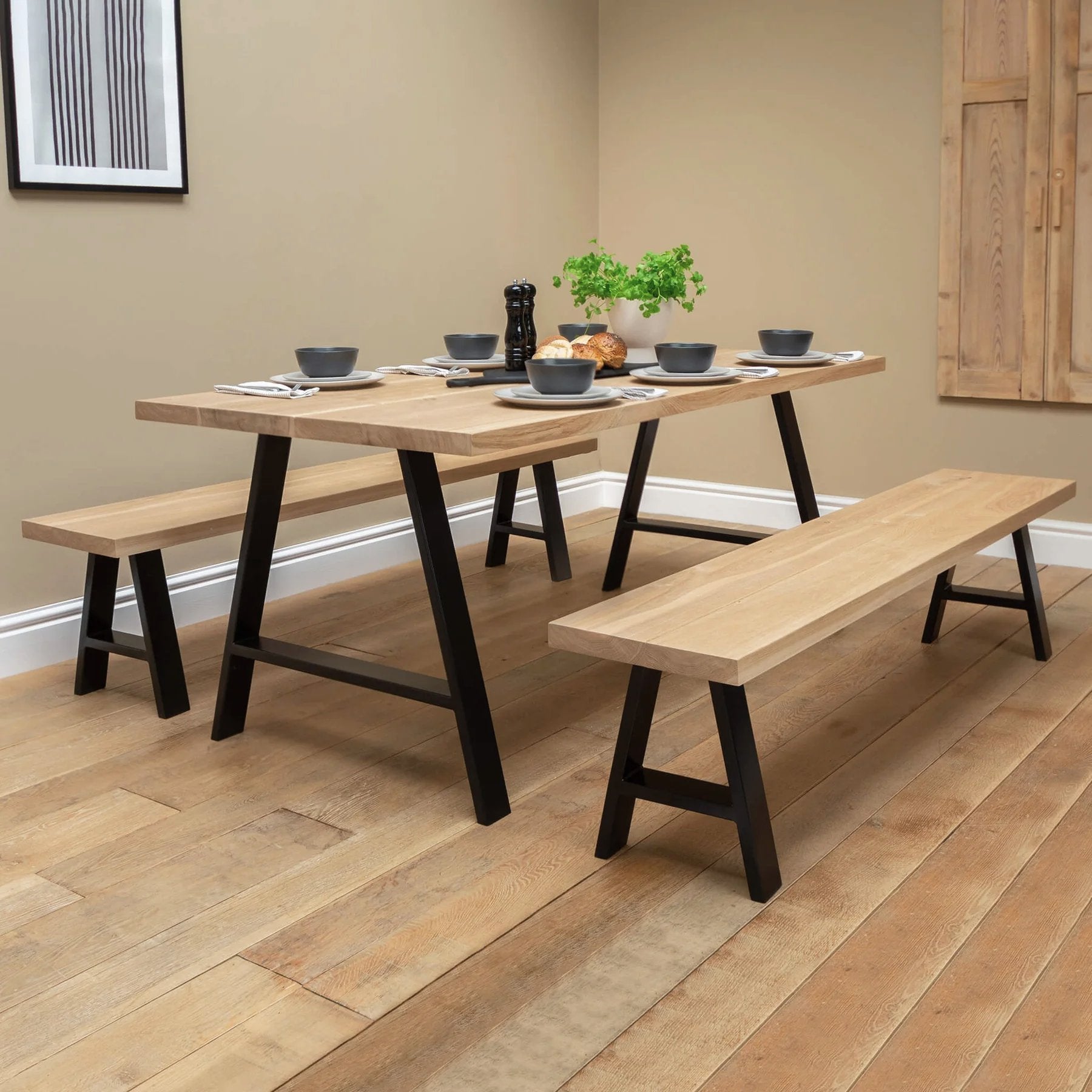
Industrial-style metal legs bring a sharper edge and suit contemporary or rustic interiors particularly well. Timber legs tend to feel warmer and more classic. Neither option is purely aesthetic. You are balancing visual weight, stability and practical legroom beneath the table.
If benches are part of the plan, make sure the base allows them to tuck in properly. It sounds obvious, but it is one of those details that makes daily use either easy or faintly irritating.
Finishes and family life
A dining table has to cope with far more than the occasional dinner party. Heat, spills, school projects and heavy serving dishes all test the surface. The finish you choose therefore deserves real thought.
Oil finishes tend to preserve a natural look and feel, bringing out the beauty of the grain without making the timber look overly treated. They can be easier to refresh over time, which appeals to many households who like furniture to age honestly. The trade-off is that they may need a little more routine care.
Lacquered or more protective finishes can offer stronger resistance to stains and day-to-day wear, which is useful in busy family homes. Some people prefer the reassurance of a more sealed surface, while others feel it slightly changes the tactile quality of the wood. This is very much an it-depends decision. The best finish is the one that matches the pace and habits of your household.
Matching the table to your home
A custom table should belong to the room, not just fit inside it. Think about the boards underfoot, the kitchen cabinetry nearby, the tone of your lighting and the weight of other furniture in the space. A thick rustic top with bold metal legs can anchor a large open-plan room beautifully, but might feel too dominant in a smaller dining area.
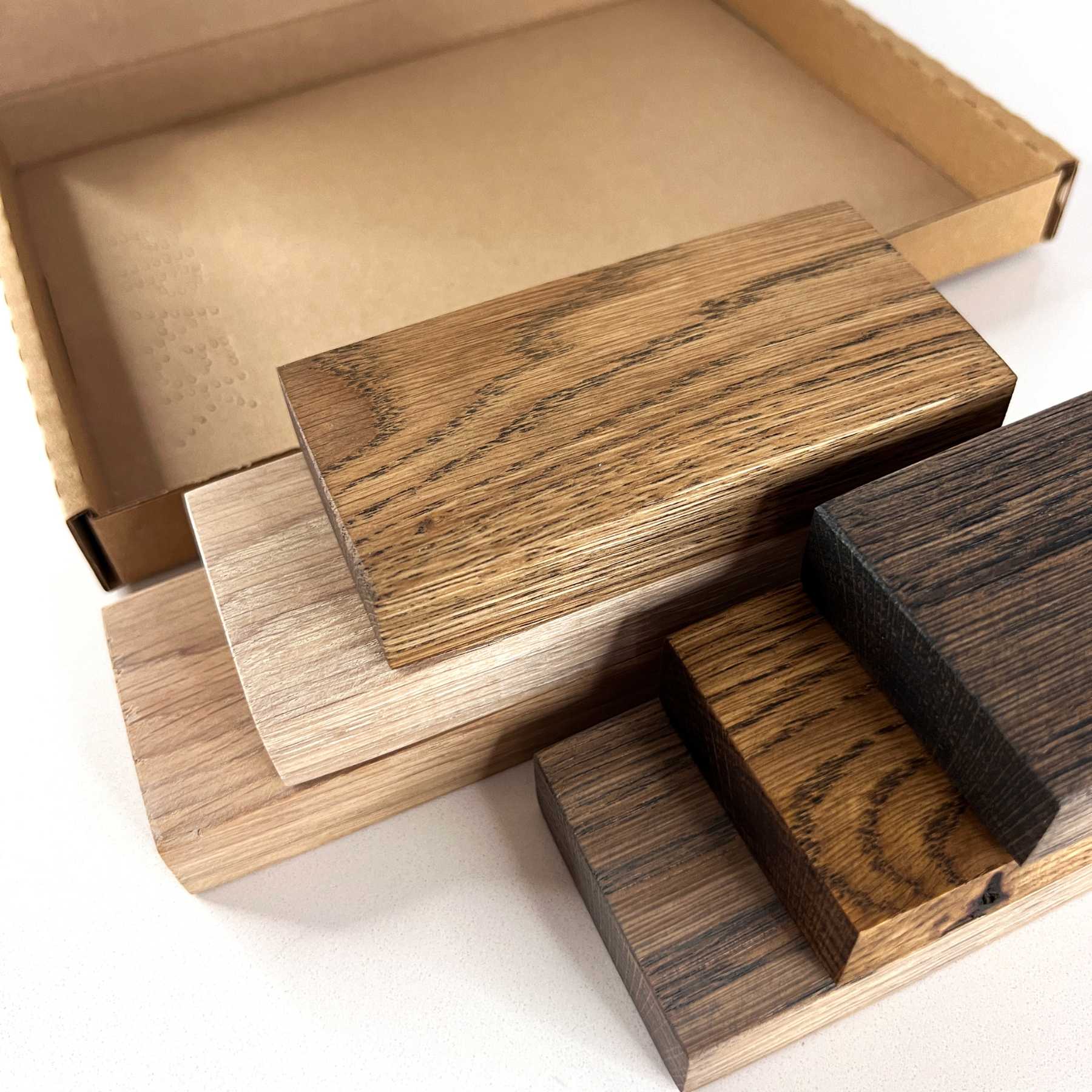
Equally, a slim elegant design can look refined in a light modern setting, yet seem a touch slight if the rest of the room has older beams, textured flooring and heavier joinery. Samples can be especially helpful here. Seeing the timber and finish in your own light often settles decisions far better than photographs alone.
For many homeowners, this is where working with an experienced British maker becomes most valuable. At Willen Rose, for example, the conversation is often less about chasing trends and more about creating a table that feels right in the home it is being made for.
Delivery, access and the practical questions worth asking
There is one final point that should never be left until the last minute - getting the table into the house. Measure doorways, hallways, stair turns and any awkward entrances before the build is finalised. A bespoke piece can be made to your ideal dimensions, but those dimensions still need to pass through the real world.
It is also worth asking how the table will arrive, whether legs are removable, and what level of delivery support is included. These are not glamorous details, but they make the buying process calmer and more predictable.
The best custom dining tables do not shout for attention every day. They simply keep earning their place - through Sunday roasts, birthday candles, coffee with friends and all the ordinary moments in between. Choose with care, and you will not just fill a room. You will shape the part of the home where people naturally gather.