



How to Choose Oak Finish for Your Home

A beautiful oak table can look entirely different depending on its finish. The same piece of timber might feel pale and airy in one room, rich and grounded in another, or quietly timeless with a treatment that lets the grain do the talking. If you are wondering how to choose oak finish, the real question is not simply which shade you like best. It is which finish suits your home, your light, your lifestyle and the way you want the furniture to age.
That matters more than many people expect. Oak is full of character - open grain, natural variation and warm undertones - so the finish does not sit on top as an afterthought. It shapes how the timber reads in the room, how practical it is in daily life, and whether the piece still feels right once the novelty has worn off.
How to choose oak finish without guesswork
The safest place to start is with the room itself, not the furniture in isolation. Oak reacts strongly to its surroundings. Daylight, wall colour, flooring and neighbouring materials all influence whether a finish feels warm, cool, rustic or refined.
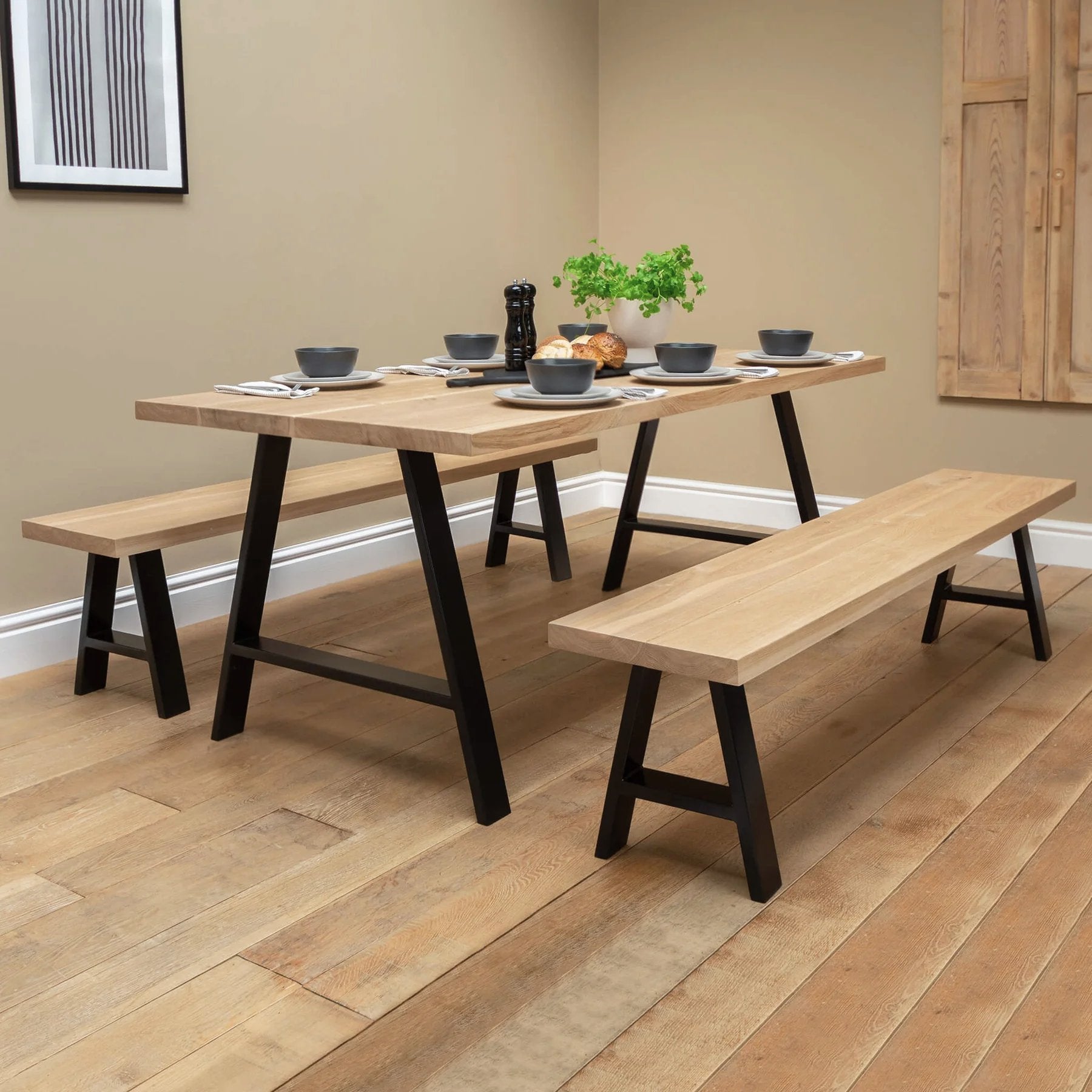
In a bright kitchen with white walls and plenty of natural light, a lighter finish can keep the space feeling open and easy. In a darker dining room, that same finish may look flatter or slightly washed out, while a deeper tone can bring welcome richness. If you already have wood flooring, exposed beams or painted cabinetry, the oak finish should complement them rather than compete.
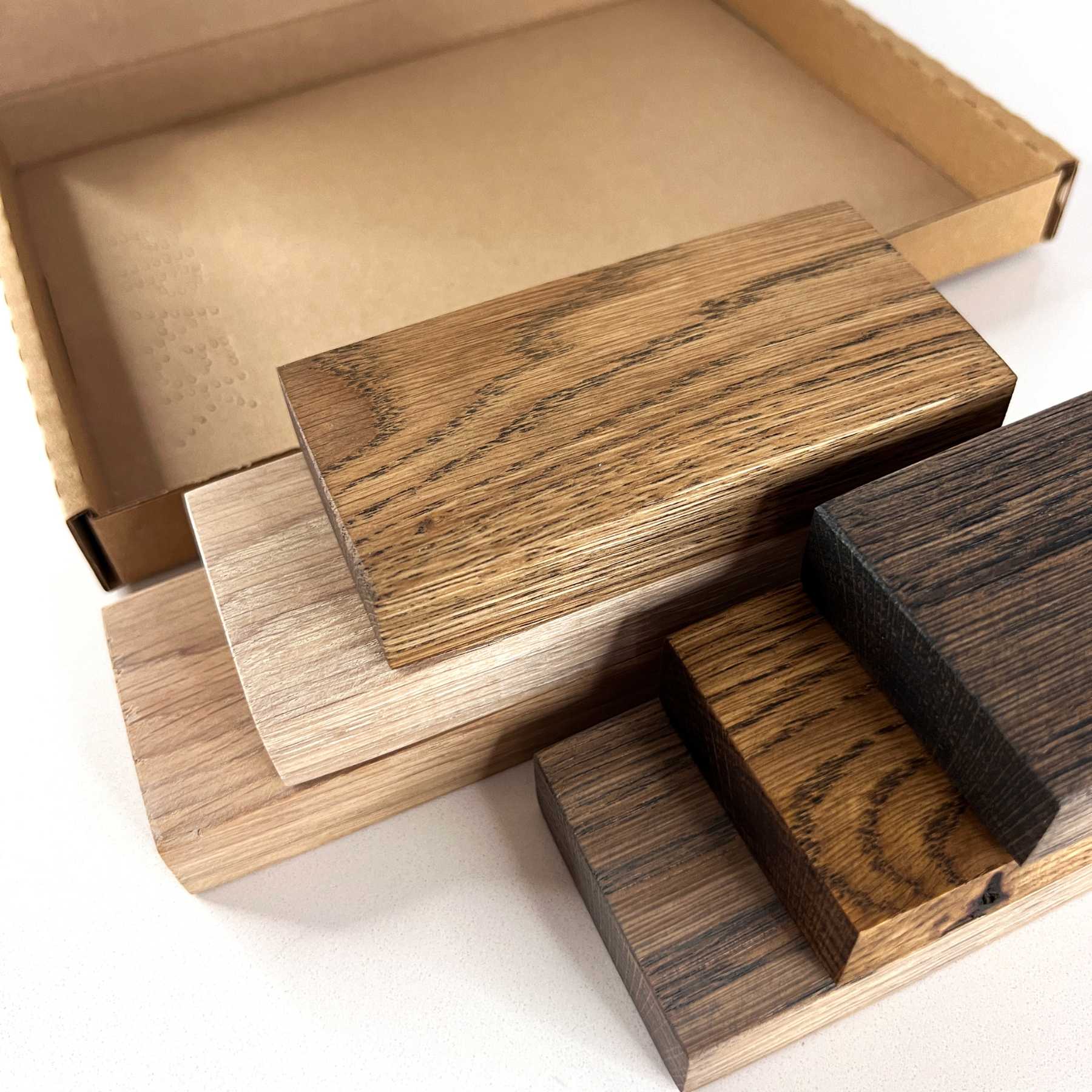
This is where samples earn their keep. Looking at a finish on a mobile phone screen or in a heavily edited photograph only gets you so far. A proper sample lets you see how the colour behaves in morning light, evening light and on overcast days. It also helps you judge whether the oak sits comfortably with fabrics, metals and paint shades already in the room.
Start with undertone, not just colour
Many people describe oak finishes in simple terms - light, medium or dark. That helps, but it is not the whole story. Undertone is often what makes a finish feel right or wrong.
Some finishes bring out the golden warmth naturally found in oak. These can feel classic and welcoming, especially in farmhouse, country or traditional homes. Others soften that warmth with a more neutral or muted look, which tends to suit modern interiors, painted spaces and cleaner architectural lines. There are also darker finishes that add depth and drama, though these can make the grain appear more pronounced and the furniture more visually weighty.
If your room already has warm tones such as cream walls, terracotta, brass or honeyed flooring, a warm oak can feel harmonious. If the space leans cooler - think greys, black accents, stone and off-white - a more neutral finish often sits more comfortably. Neither is better. It depends on whether you want the furniture to blend gently into the room or stand out as a focal point.
Match the finish to the style of the piece
A finish that looks superb on a chunky refectory dining table may not feel quite right on a sleek bedside table or a contemporary bench with metal legs. Proportion and design matter.
Rustic oak, with visible knots, saw marks and texture, tends to suit finishes that celebrate variation rather than masking it. Oiled or lightly tinted treatments can enhance that honest, workshop-made character. On more refined or modern pieces, a cleaner and more even finish may better suit the silhouette.
This is one reason bespoke furniture feels different from mass-produced pieces. The finish is part of the design language, not a standard option dropped onto every item. A handcrafted oak table made for family meals, school projects and long Sunday lunches should look right in its setting, but it should also feel true to the way it has been built.
Think about sheen as much as shade
Colour gets most of the attention, but sheen has a huge effect on how oak appears. A low-sheen or matt finish tends to feel natural and calm. It lets the texture of the timber come forward and often suits homes where the appeal lies in authenticity rather than polish.
A finish with more sheen can look smarter and slightly more formal, but it will also reflect more light and may show fingerprints, dust or small marks more readily. In busy family homes, especially around dining tables and coffee tables, many people prefer a softer sheen because it feels more forgiving day to day.
That said, there is always a balance. Very matt finishes can appear understated and beautifully natural, yet some customers prefer a touch more lustre so the oak has a richer, more finished look. It comes down to the mood you want the furniture to bring to the room.
Choose oak finish with everyday life in mind
A dining table in a family kitchen needs different practical qualities from an oak bed frame or a sideboard in a quieter room. Before choosing purely on appearance, think honestly about how the piece will be used.
If the table will host homework, hot plates, mugs, craft sessions and the odd enthusiastic spill, durability matters. Finishes vary in how they resist stains, moisture and daily wear. Some preserve a very natural look but ask for a little more care. Others offer stronger everyday protection but alter the colour or feel of the timber slightly more.
Neither approach is wrong. Some households are happy to accept a little maintenance in exchange for a more organic look. Others want reassurance that the furniture can take the knocks of normal life without constant worry. When a piece is made to order, this conversation is worth having early, because the best finish is the one that fits the way you actually live.
Consider how the oak will age
Oak is not static. It mellows over time, and different finishes influence that journey. A pale finish may gently deepen as the years pass. Natural oils can enrich the tone and bring more warmth to the surface. Sunlight will also play its part, especially in bright rooms.
For many people, that ageing is part of the appeal. A solid oak table should not look frozen in time. It should gather character, soften with use and become part of family life. Still, it helps to know what direction the timber is likely to move in. If you are aiming for a very light, contemporary look, ask whether the finish will stay close to that appearance or develop more honeyed warmth with age.
How to choose oak finish for existing interiors
The easiest mistake is trying to match every wood tone in the room exactly. In most homes, a perfect match is neither realistic nor especially attractive. Oak can sit happily alongside other timbers if the overall palette feels considered.
What matters more is visual balance. If you have dark flooring, a mid or lighter oak finish can stop the room feeling heavy. If your kitchen has pale painted cupboards and stone worktops, warmer oak can add welcome depth. In industrial-style interiors with black metal, brick or concrete tones, oak often works best when the finish keeps some natural texture and warmth, stopping the scheme from feeling cold.
A good rule is to coordinate rather than duplicate. Let the oak share a mood with the room rather than chasing an exact replica of another wood surface.
When darker is better - and when it is not
Darker oak finishes can be striking. They add depth, drama and a slightly more formal feel, and they often suit larger rooms where the furniture needs presence. They can also work beautifully on statement pieces such as substantial dining tables or storage furniture with strong lines.
But darker is not always more luxurious. In smaller rooms, or spaces with limited natural light, a very deep finish can make furniture feel heavier than intended. It may also highlight dust, scratches or surface marks more than a mid-toned option would. If you love darker oak, it is worth checking how it feels in your own space before committing.
Trust your eye, but test your choice
There is a reason experienced makers encourage people to look at timber samples at home. Oak has too much natural variation to be judged well from a description alone. A sample gives you the chance to place it beside your flooring, hold it next to your dining chairs, and see whether it still feels right after a few days rather than a few seconds.
That pause is often where the best decisions are made. The finish you are initially drawn to may turn out to be too yellow, too dark or too flat once you see it in your own room. Equally, a finish you barely noticed online may suddenly make perfect sense in the space.
At Willen Rose, we see this often with made-to-order oak furniture. Once customers view finishes in their homes, the decision becomes less about trend and more about belonging. The right oak finish should feel as though it was always meant for that room.
Oak rewards patience. Choose a finish that respects the timber, suits the shape of the piece and works for the life happening around it, and you will have furniture that settles into your home with real ease.