



Is Solid Oak Good for Tables?
A dining table has a hard job. It needs to look beautiful on a quiet Monday morning, then cope with homework, hot plates, elbows, spills and the sort of family moments that leave their mark. So when people ask, is solid oak good for tables, they are usually asking something deeper - will it last, will it age well, and will it still feel right in the room years from now?
For many homes, the answer is yes. Solid oak has earned its place as one of the most trusted materials for dining and occasional tables because it combines strength, character and longevity in a way few materials can. But like any honest material, it comes with its own quirks, and those are worth understanding before you choose.
Why solid oak works so well for tables
Oak has been used in British furniture making for centuries for a simple reason: it is dependable. It is a hardwood with excellent structural strength, which means it copes well with daily use and the weight, pressure and movement that tables deal with over time.
That matters more than many people realise. A table is not just a flat surface. It is a piece of working furniture with joints, spans and legs that all need to stay stable. Solid oak provides the kind of density and integrity that gives a table a reassuring feel - not flimsy, not hollow, not temporary.
It also has natural visual warmth. Oak grain brings texture and variation, so even a simple rectangular top has life in it. That is part of the appeal for homeowners who want furniture to feel grounded and real rather than overly polished or synthetic. In a family kitchen, farmhouse dining room or more contemporary open-plan space, oak tends to settle in beautifully.
Is solid oak good for tables in everyday family life?
In most cases, yes - especially if you want a table that is meant to be lived with rather than merely looked at.
Solid oak stands up well to the rhythm of daily use. It is far more resistant to knocks and wear than cheaper sheet materials or veneered furniture, and because the wood runs all the way through, minor marks can often be refinished rather than disguised. That is a major advantage in a busy home.
If you have children, entertain often, or simply use your dining table properly, oak tends to be forgiving. Not flawless, and not indestructible, but forgiving. A small dent or light scratch usually becomes part of the table's story rather than the beginning of its decline.
This is where solid oak differs from mass-produced alternatives. A veneer can chip and expose the base material beneath. A laminate top may resist stains for a while, but once damaged it is difficult to restore convincingly. Solid oak has the depth to be repaired, refreshed and enjoyed for decades.
The look of oak - timeless, but not bland
One reason oak remains so popular is that it has range. It can look rustic and full of character, or clean and refined, depending on the cut of the timber, the finish and the design of the base.
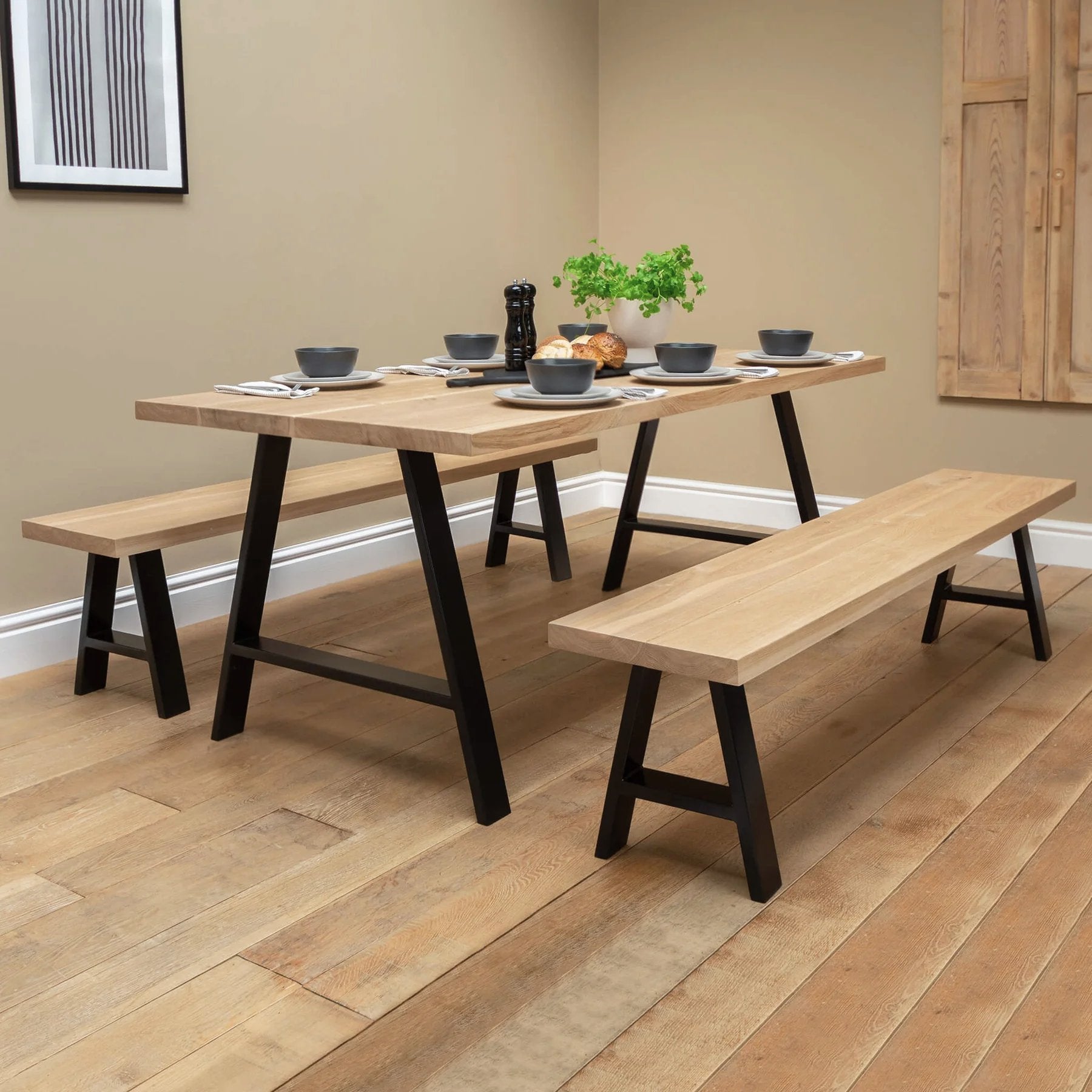
A chunky oak top with visible knots and a hand-finished edge suits a relaxed, lived-in interior. Pair the same timber with a slim profile and metal frame, and it takes on a more industrial feel. Use a softer finish and elegant tapered legs, and it becomes quietly contemporary.
That versatility makes oak a safe choice without making it a dull one. It does not chase trends, which is exactly why it tends to outlast them. If you are buying a table for a long-term home, that matters. You want something that still feels right when the paint colours change, the flooring is updated or the room is rearranged.
The trade-offs you should know about
The honest answer to is solid oak good for tables is not simply yes. It is yes, with some considerations.
First, solid oak is heavy. For a dining table, that is often a benefit because it adds stability and substance. But it does mean delivery, access and room layout need a bit of thought, especially in older properties or homes with tight staircases and narrow doorways.
Second, oak is a natural material, so it moves. Changes in temperature and humidity can cause subtle expansion and contraction. A well-made table is designed to allow for this, but it is still important to understand that solid wood is not meant to behave like plastic. Tiny seasonal changes are normal and part of the character of real timber.
Third, it is an investment. Solid oak tables usually cost more than veneered or flat-pack alternatives because the material itself is better and the build process is more demanding. For buyers who want a table for a few years, that may not make sense. For those furnishing a permanent home, it often does.
Construction matters as much as the timber
Not every oak table is equal. The species may be right, but the quality of construction will make all the difference to how the table performs.
A solid oak top needs proper joinery, sensible board selection and a finish suited to real life. The base should be built to support the weight and movement of the top without wobble or strain. Details such as breadboard ends, fixing methods and leg positioning all affect how the table looks and lasts.
This is where craftsmanship shows. A thoughtfully made table feels settled and balanced. The proportions are right, the surface is carefully prepared, and the timber has been chosen with an eye for both strength and beauty. That kind of making is rarely visible in one dramatic feature. It reveals itself slowly, in the way the table behaves after years of meals and gatherings.
For that reason, buying a solid oak table is never just about choosing a wood. It is about choosing how that wood has been made into furniture.
How oak compares with other table materials
If you are weighing up options, oak usually sits in the sweet spot between practicality and character.
Pine is softer and usually more affordable, but it marks more easily. Walnut is beautiful and rich in tone, though often more expensive and sometimes less suited to lighter interiors. Ash can be an excellent choice, but it generally has a different grain and a more understated presence.
Engineered boards and veneers can look smart at first, especially from a distance, but they rarely offer the same longevity or repairability as solid oak. Stone, ceramic and glass each have their own appeal, yet they create a very different atmosphere. They can feel cooler, more formal or less forgiving in family settings.
Oak tends to strike a balance. It feels warm under the hand, visually substantial in the room, and resilient enough for genuine everyday use.
Finishes, care and ageing
A good oak table does not need fussy treatment, but it does benefit from sensible care. An appropriate finish helps protect the timber from spills and daily wear while allowing the grain to remain visible and natural.
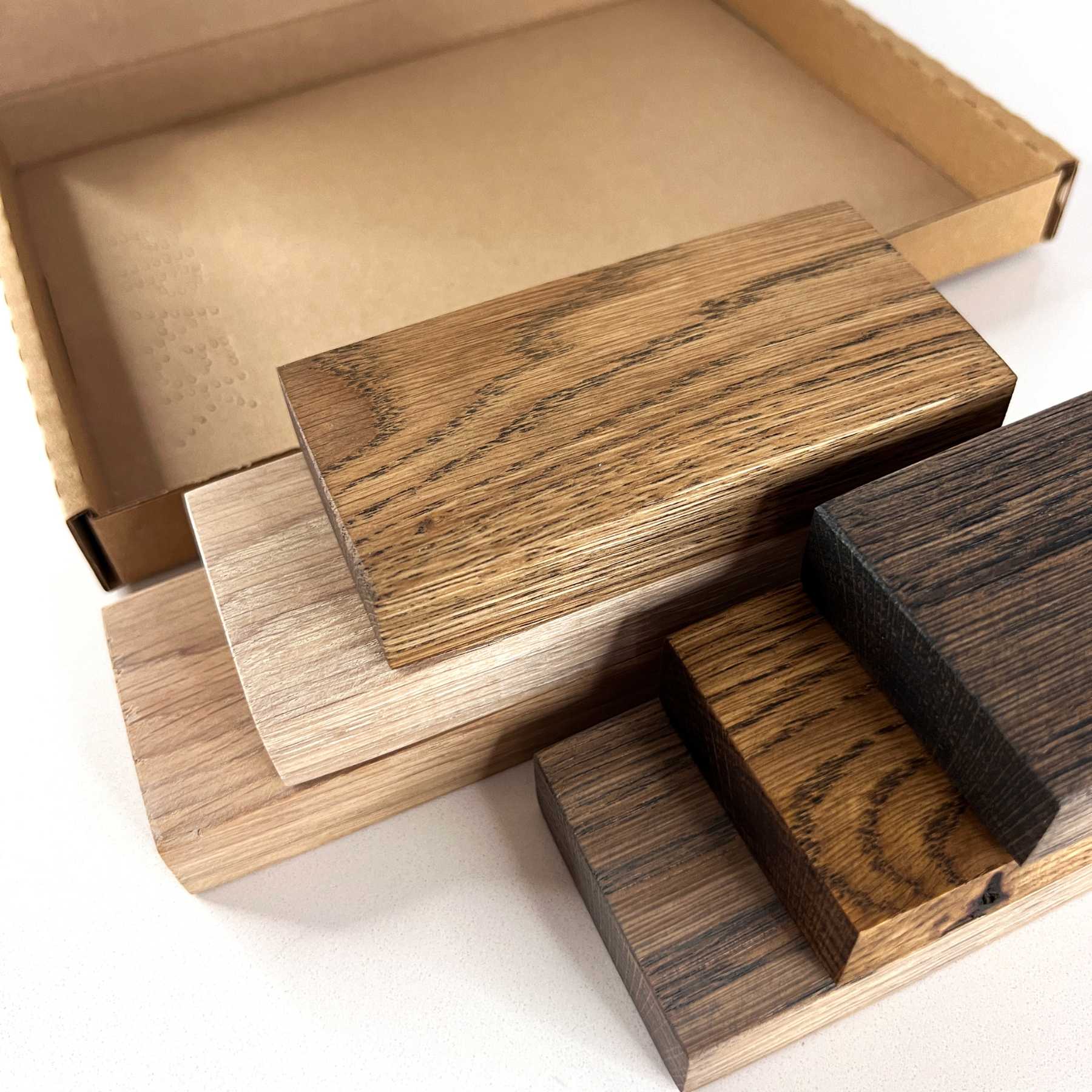
Oiled oak tends to give a softer, more tactile finish and can be easier to refresh over time. Lacquered finishes can offer stronger surface protection, though they may feel a little less natural depending on the product used. The right choice depends on how you live and what look you prefer.
As the years pass, oak develops beautifully. The colour can mellow, the grain can gain depth, and small signs of use often add charm rather than detract from it. That ageing process is one of the material's greatest strengths. A solid oak table does not need to remain pristine to remain lovely.
Of course, care still matters. Coasters, placemats and a quick wipe after meals all help. So does avoiding standing water or leaving the table directly beside strong heat sources. These are not burdensome rules, just the common-sense habits that protect any natural furniture worth keeping.
Is solid oak good for tables if you want bespoke furniture?
Absolutely. In fact, this is one of oak's strongest advantages.
Because it is such a reliable furniture timber, it works brilliantly for made-to-order tables. Whether you need a narrower top for a period terrace, an extra-long dining table for entertaining, or a specific finish to suit your flooring, solid oak adapts well to bespoke making.
That flexibility is invaluable for homeowners who are tired of squeezing their choices into standard retail sizes. A well-made bespoke oak table can be built around the way your room actually works - not the other way round. For families planning a forever home, that often makes more sense than buying something off the shelf and hoping it fits.
This is very much the thinking behind Willen Rose - furniture made with care, proper timber, and the dimensions real homes need.
So, is solid oak good for tables?
If you want a table with warmth, strength and the ability to age with grace, solid oak is one of the best choices you can make. It suits busy households, long-term homes and people who would rather buy once and buy well. The trade-offs are real - weight, cost and the natural movement of timber - but for many buyers they are signs of authenticity rather than drawbacks.
The best table is not the one that stays untouched. It is the one that becomes part of daily life, gathers stories, and still feels solid beneath your hands years later. Solid oak is very good at that.