



Leather Sofas That Feel at Home for Years
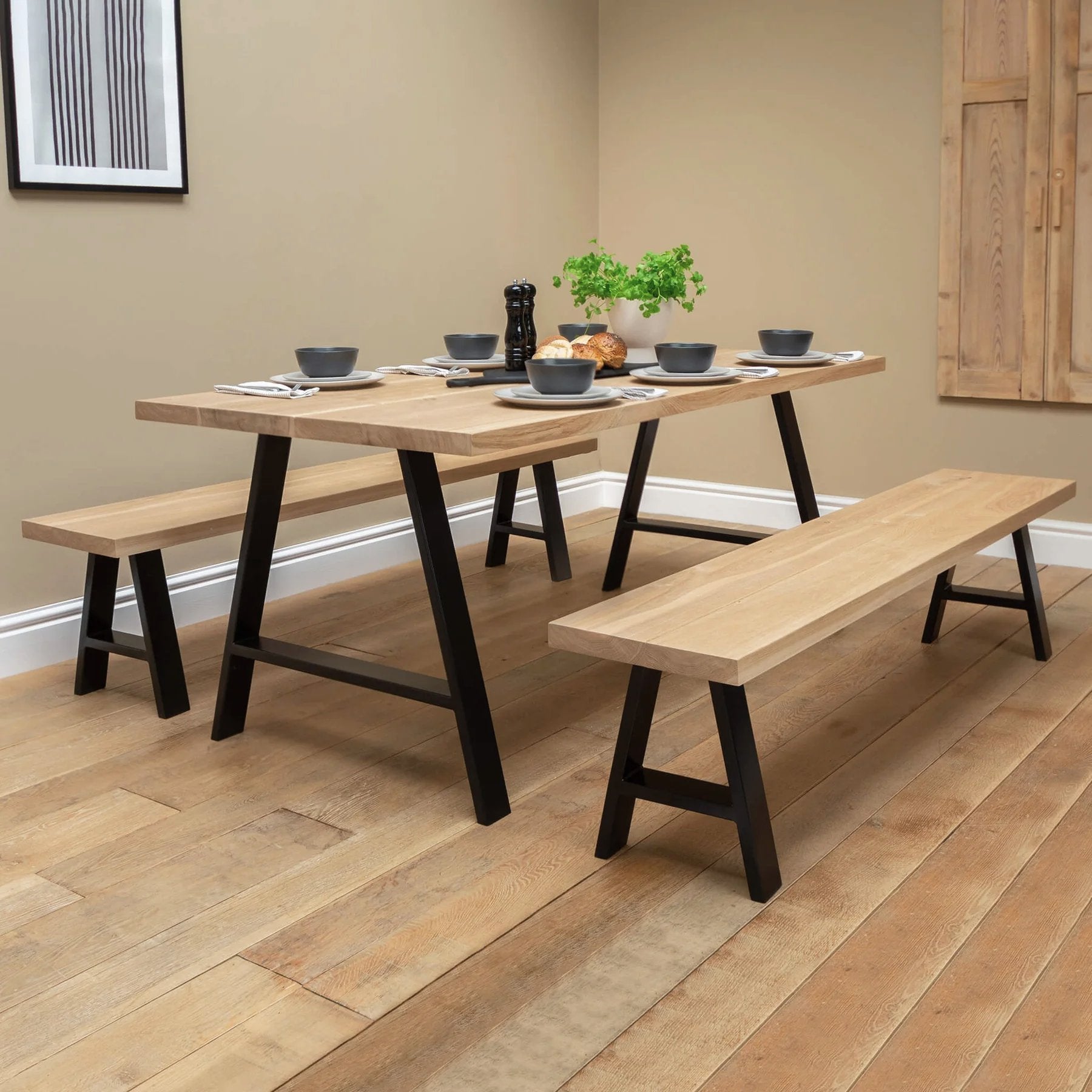
A sofa is where a room earns its keep. It is the place for slow Sunday mornings, feet-up evenings, family films and the cup of tea that somehow ends up balanced on the arm. Leather sofas bring a particular kind of confidence to this daily life: they feel substantial, improve with age and can hold their own beside the natural grain of a solid oak table.
For a permanent home, the right leather sofa is less about chasing a passing look and more about choosing a piece that suits the way you live. The hide, shape, finish and scale all matter. So does the question of how it will sit alongside the furniture you already love.
Why leather earns its place in a family home
Good leather has character from the outset. Its surface carries subtle variations in grain, tone and marking that cannot be copied exactly, which is part of its appeal. Rather than looking tired after a few years, a well-chosen leather often develops a softer, richer patina. It becomes recognisably yours.
There is a practical side too. Leather does not hold onto pet hair in the same way as many woven fabrics, and everyday spills can usually be dealt with quickly before they settle. For households with children, dogs or plenty of visitors, that is no small benefit. A leather sofa still needs care, but it is often a forgiving choice for busy living rooms.
It does come with trade-offs. Leather can feel cool when you first sit down in winter and warm during a sunny spell. It may show scratches, especially on natural finishes, and pale shades need more attention than darker ones. Those marks need not be a flaw. On the right hide, they become part of a lived-in finish. But if you want a sofa that looks perfectly uniform year after year, a protected leather or a tightly woven fabric may suit you better.
Choosing leather sofas by the way you live
The word leather covers a broad range of finishes, and understanding the difference makes choosing far easier. The most expensive option is not automatically the best one for every home.
Full-grain and aniline leather
Full-grain leather retains the natural outer surface of the hide. It has depth, softness and the greatest variation in character. Aniline leather is dyed without a heavy protective coating, allowing that natural grain to remain beautifully visible.
This is leather for those who welcome individuality. It will respond to sunlight, wear and use, developing its own patina over time. In a relaxed country home or a room built around oak, aged brass and textured wool, it can look exceptional. It is, however, more susceptible to staining and fading, so it is best kept away from strong direct sun and treated with sensible care.
Semi-aniline and protected leather
Semi-aniline leather retains much of the softness and natural appearance of aniline leather but has a light protective finish. It is a thoughtful middle ground for a family sofa: tactile and characterful, yet better able to cope with everyday life.
Protected or pigmented leather has a more substantial surface coating. It tends to be more consistent in colour and easier to wipe clean, making it a sensible option where muddy paws, young children or frequent entertaining are part of the picture. The finish can feel less natural than aniline, so it is worth sitting on samples and seeing the colours in your own light before making a decision.
Beware vague descriptions
Terms such as ‘genuine leather’ tell you very little on their own. They confirm that leather is present, not the quality, thickness or finish of the hide. Ask what type of leather is used, whether it is corrected, how it has been finished and what care it requires. A good retailer should answer plainly and provide a sample where possible.
Shape, size and proportion matter as much as the hide
A leather sofa has visual weight. Deep brown, tan and black leathers can anchor a room beautifully, but a bulky design can overwhelm a smaller space. Begin with the footprint, not just the number of seats. Measure the wall, the distance to the coffee table and the route through the room. Then check doorways, staircases and tight turns before delivery day.
Allow enough room to move around the sofa without turning the living room into an obstacle course. As a useful starting point, leave around 40 to 45 cm between the front of the sofa and a coffee table, adjusting for the shape of the room and how people use it. A sofa with raised legs can make a compact room feel lighter, while a low, deep design creates a more relaxed, enveloping feel in a generous space.
Consider how it will work with your other pieces. A compact two-seater and armchair may offer more flexibility than one large corner sofa. Conversely, a corner design can make excellent use of an open-plan room and create a natural gathering place. If your home is full of straight-lined industrial furniture, a sofa with softer arms and cushions prevents the scheme from feeling too severe.
Finding the right colour for wood and light
Tan and cognac leather are enduring favourites for good reason. They bring warmth to oak, reclaimed timber and neutral walls, and they look better rather than flatter as they age. Dark brown offers a more traditional, settled feel, particularly in rooms with deep paint colours or a substantial wooden dining table nearby.
Black leather can be smart and dramatic, especially with metal-framed coffee tables and industrial detailing. It needs balance, though. Add lighter timber, a pale rug or natural textiles to stop the room feeling overly hard. Greens, oxbloods and deep blues can be equally timeless when chosen with care, adding colour without relying on short-lived trends.
Always think about daylight. A small north-facing room may benefit from warmer tan, caramel or olive tones, whereas a bright room can carry richer shades. Samples are invaluable here. View them near the window, beside your flooring and alongside the timber in your existing furniture. The colour you see under showroom lighting is rarely the whole story.
What sits beneath the leather
A beautiful hide cannot compensate for a weak frame. Look for a sofa with a strong hardwood frame, well-made joints and a proper suspension system. The frame is the unseen structure that decides whether the sofa stays comfortable and steady over many years of use.
Seat filling is also a matter of preference. Foam gives a firmer, more tailored sit and tends to hold its shape well. Fibre feels softer but may need regular plumping. Feather-wrapped cushions offer a luxurious sink-in comfort, though they need more maintenance to remain at their best. None is universally right. The best choice is the one that matches how you prefer to sit, whether that is upright with a book or curled into the corner at the end of the day.
When trying a sofa, sit as you would at home. Check the seat depth, arm height and back support rather than simply pressing a cushion with your hand. If two people will use it most evenings, make sure both are comfortable. Furniture made for home life should not ask you to compromise on the simple pleasure of sitting down.
Caring for a leather sofa without overdoing it
Leather responds well to a light, regular routine. Dust it with a soft dry cloth or vacuum gently using a brush attachment. Blot spills promptly with a clean absorbent cloth, rather than rubbing them into the surface. Avoid household sprays, baby wipes, washing-up liquid and harsh cleaners, which can strip the finish or leave a residue.
Use a leather care product recommended for your sofa’s specific finish, following the maker’s guidance rather than treating every hide in the same way. Keep the sofa away from radiators and intense sunlight where possible. Heat can dry leather over time, while ultraviolet light may alter its colour.
A few scuffs and creases are normal signs of use, particularly on softer natural leather. They are often the details that make a sofa feel less like a showroom piece and more like part of the family home.
At Willen Rose, we believe the most lasting rooms are built slowly, with materials chosen for the lives lived around them. Choose a leather sofa with an honest hide, a sound frame and proportions that belong in your space, then let it gather the stories that make a house feel properly yours.