



Made to Order vs Ready Furniture: Which Suits?
A dining table can look perfect in a showroom and still feel wrong once it reaches home. Perhaps it leaves too little room to pull out chairs, is a little too narrow for Sunday lunch, or its finish jars with the oak floor you have spent years choosing. That is where the made to order vs ready furniture decision becomes more than a question of delivery speed. It is about choosing a piece that earns its place at the heart of family life.
Ready-made furniture has a place, particularly when time is short. Yet for a permanent home, a table, bed or storage piece is often worth choosing with greater care. The right answer depends on your room, your timescale and what you expect from the furniture over the years ahead.
Made to order vs ready furniture: the essential difference
Ready furniture is designed, built and held in stock before you choose it. You select from fixed sizes, finishes and configurations, then it is usually prepared for dispatch quickly. It can be a practical solution for a new home, an unexpected need, or a room that simply suits standard proportions.
Made-to-order furniture begins when your order is agreed. Rather than choosing solely from what is sitting in a warehouse, you can establish the dimensions, timber, finish and, in many cases, the finer details of the design before a maker begins work. It takes longer, because the work is being carried out for your home rather than for a stock shelf.
This distinction matters most with substantial pieces. A solid oak dining table may become the setting for weekday breakfasts, homework, birthday cakes and long conversations after guests have gone home. A well-made wooden bed supports every night’s rest. These are not purchases to replace on a whim.
When ready-made furniture is the sensible choice
There is no virtue in waiting for bespoke furniture if a ready piece genuinely meets your needs. If you are moving in next week, furnishing a guest room, or working to a firm deadline, availability may matter more than personalisation. Ready furniture also makes it easier to see an exact finished item before committing, although it is still wise to check the materials and construction rather than judging by photographs alone.
Standard sizes can work beautifully in straightforward rooms. A compact four-seater table, a conventional bedside cabinet or a simple bench may not need altering if it provides the right clearances and proportions. Ready-made can also suit buyers who have a very fixed budget and do not need a particular timber, leg style or finish.
The trade-off is that you adapt your home to the furniture. You may have to accept a table that is almost the right length, a bed frame that sits slightly proud of an alcove, or a finish that is close to your preferred tone but not quite there. For some rooms, that compromise is perfectly acceptable. For others, it will niggle every time you walk past it.
Why made-to-order is different in a lived-in home
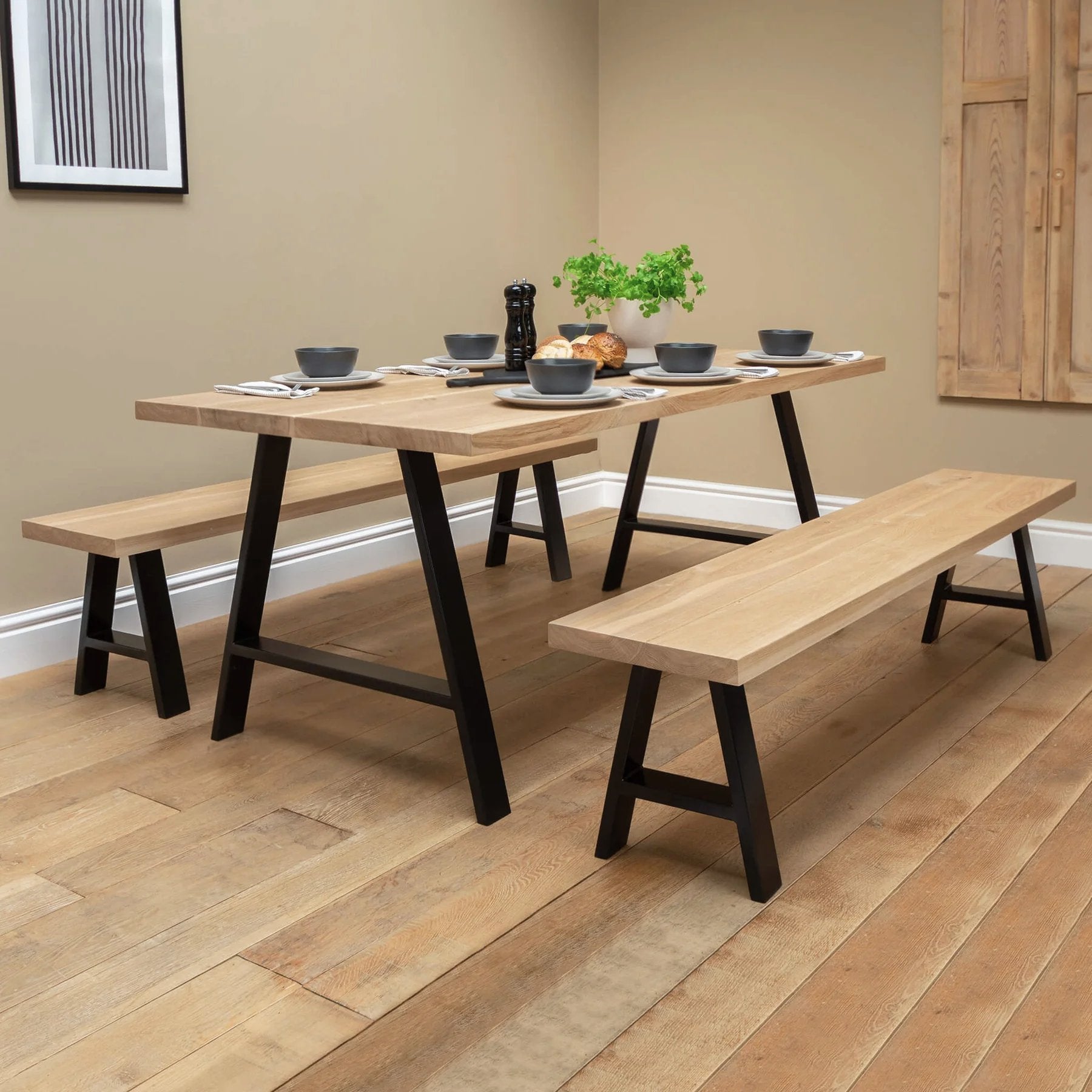
Made-to-order furniture lets the practical realities lead the design. That might mean making a dining table 180cm rather than 200cm so there is comfortable space around every chair. It might mean choosing a narrower depth for a kitchen-diner, specifying a bench that stores neatly beneath the tabletop, or adjusting a bed to sit naturally below a sloping ceiling.
The benefit is not simply getting more choice. It is getting better proportion. Furniture has a powerful effect on how a room feels: too large and it crowds the space; too small and it can look lost. Thoughtful dimensions create a room that is easier to use, not merely easier to photograph.
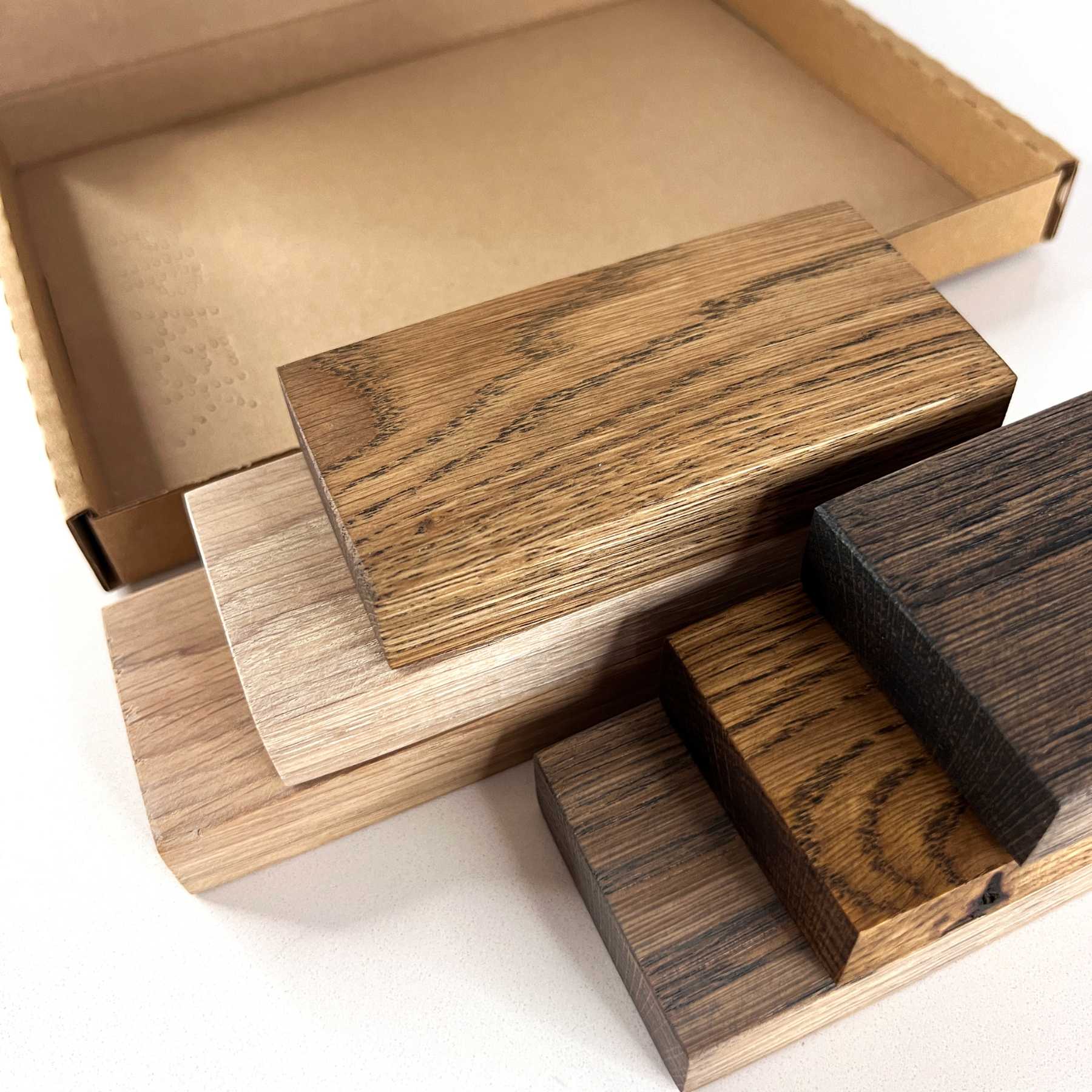
Material choice also becomes more meaningful. Solid oak brings warmth, visible grain and the reassuring weight of real timber. Reclaimed wood offers character shaped by its former life, with variations that make each piece individual. A metal base can introduce an industrial edge, while a traditional wooden frame creates a softer, more timeless feel. When a piece is being made for you, those decisions can be considered as a whole rather than selected from a short list of stock options.
At Willen Rose, this is the value of furniture lovingly made in Derbyshire: the process remains grounded in workshop knowledge. The aim is not to complicate the purchase, but to make sure a substantial piece of solid wood furniture is right before it is built.
Fit is about more than measurements
Before ordering any large furniture, measure the room and the route into it. Check doorways, hallways, stairs and turns, as well as the final floor space. For dining tables, allow room behind each chair so people can sit down and move comfortably without brushing the wall or sideboard.
It also helps to mark the proposed footprint on the floor with masking tape or newspaper. This simple exercise reveals whether a table interrupts a walkway, whether a bench will tuck in as expected, and how far the chair backs reach when occupied. For beds, consider drawers, wardrobes and the space needed to make the bed without squeezing around it.
A made-to-order approach is especially valuable where rooms are old, extensions have created unusual layouts, or a piece needs to work between existing furniture. It cannot change the shape of the house, but it can respect it.
Lead times: the trade-off worth understanding
The clearest advantage of ready furniture is speed. If you need a piece immediately, a stocked item can remove a great deal of pressure. But fast availability should not be confused with better value. Factory-made furniture may have travelled long distances, passed through several storage points and been produced to a specification intended to suit thousands of homes.
Made-to-order furniture asks for patience because timber must be selected, cut, joined, sanded, finished and prepared for delivery. With handcrafted solid wood pieces, that time is part of the product. Careful joinery and finishing cannot be rushed without sacrificing the details that allow furniture to endure daily use.
The key is to plan backwards from the moment you need the room ready. If you are renovating a dining space for Christmas, arranging a move, or completing a kitchen extension, begin the conversation early. This gives you time to settle on dimensions, request wood samples, compare finishes in your own light and arrange delivery without a last-minute compromise.
Quality, longevity and the true cost
Price comparisons can be misleading when the pieces being compared are fundamentally different. A low-priced ready table made from veneer, MDF or lightweight board may look convincing at first glance. Its lifespan, repairability and ability to cope with family life can be very different from a table built from solid timber.
Solid wood has an honest quality to it. It can show the marks of life, particularly in a busy kitchen or dining room, but it can also often be cared for, refreshed and enjoyed for decades. Natural grain, knots and tonal variation are not defects to be hidden. They are part of what makes a wooden piece feel alive in the home.
A thoughtfully made table should feel stable, with a base designed to support its top properly and leave sensible room for diners’ knees. Good construction matters in beds and storage furniture too, where repeated movement and everyday loading soon expose weak fixings and thin materials.
Made-to-order does not automatically mean superior, just as ready-made does not automatically mean poor. Ask what the furniture is made from, where it is built, how it is constructed, what finish is used and what support is available after delivery. The answers reveal far more than a product photograph ever can.
How to choose with confidence
Begin with the purpose of the piece, not the trend. Consider how many people will use it on an ordinary day, how the room changes when guests arrive, and what you need the furniture to withstand. A pale oak table may suit an airy contemporary kitchen, while a darker reclaimed top and steel base can anchor a more industrial living space. The best choice is the one that suits the way you genuinely live.
Then be realistic about timing. Choose ready furniture when the dimensions, material and finish are right and you need it quickly. Choose made-to-order when fit, lasting quality or a particular design matters enough to justify the wait. There is no need to make every item bespoke, but the pieces used most often deserve special consideration.
A home gathers meaning gradually. Choose the table where little hands will draw, the bench that welcomes extra guests, or the bed that closes each busy day with comfort. When furniture is made with care for the room and the people in it, the wait becomes part of the story it will go on to hold.