



Solid Wood Bed Review for Lasting Comfort
A proper solid wood bed review should look beyond a handsome headboard and a pleasing grain pattern. A bed is the one piece of furniture asked to work, quietly and reliably, every night of the year. It needs to feel steady when you turn over, support the mattress properly and still belong in your home when tastes, children and routines have changed.
Solid timber can offer all of that, but not every wooden bed is made to the same standard. The difference lies in the timber itself, the way the frame is joined, the support beneath the mattress and the care taken over proportions. Here is what is worth examining before you choose a bed made for the long term.
Solid wood bed review: start with the timber
The phrase “solid wood” is sometimes used loosely, so it pays to ask what the frame is actually made from. A genuinely solid wood bed has major structural parts - such as the side rails, headboard, footboard and legs - made from timber rather than particleboard, MDF or a thin veneer laid over manufactured board.
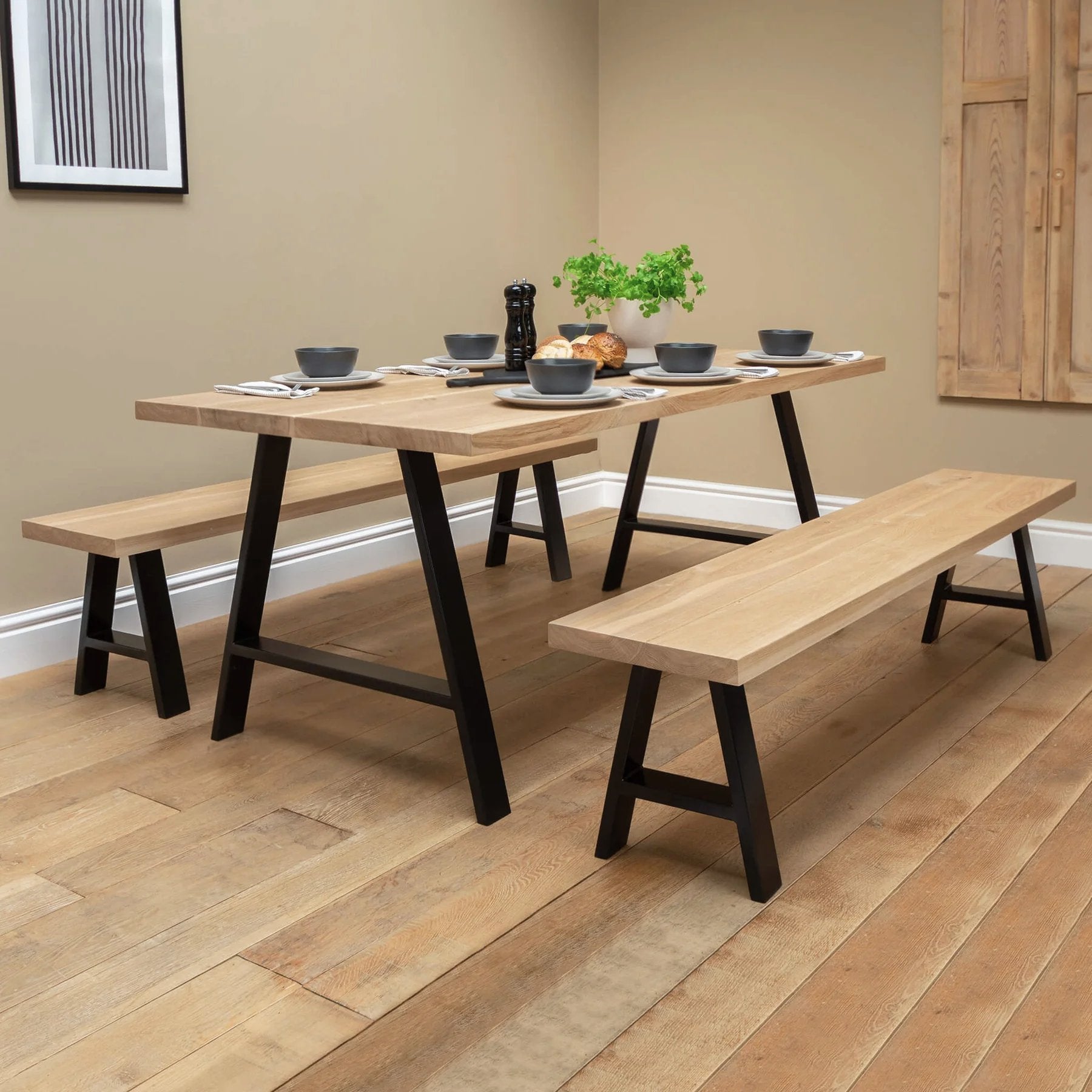
Oak is a favourite for good reason. It is dense, characterful and well suited to furniture that needs to stand firm under daily use. Its natural grain gives each bed its own character, from quieter, straighter boards to more expressive knots and figuring. A well-made oak bed can sit comfortably in a country home, a Victorian terrace or a cleaner contemporary bedroom.
Other woods can be excellent too. Ash has a lighter appearance and a lively grain, while pine brings a softer, more relaxed feel. Reclaimed timber has distinctive marks, tonal variation and history built into its surface. The right choice depends on the look you want and how the rest of the room is furnished, not simply on which species sounds most prestigious.
It is also sensible to expect variation. Solid timber responds to its surroundings, expanding slightly in damper conditions and contracting when central heating dries the air. That movement is natural, and an experienced maker allows for it in the design. Small knots, grain changes and colour variation are not faults to be hidden. They are the marks that make real wood feel warm and individual.
The joinery tells you whether it will last
A bed may look substantial in photographs yet feel disappointing if its construction relies on lightweight fittings alone. The best frames are designed so their parts support one another. Strong side rails, properly fitted corner connections and well-positioned central support all matter more than decorative detail.
Look closely at how the side rails meet the headboard and footboard. Quality beds often use purpose-made metal bed bolts or concealed locking fittings alongside substantial timber joints. These should pull the frame together tightly and allow it to be taken apart for moving house without weakening the structure. A bed that is straightforward to reassemble is particularly useful for homes with narrow staircases, loft rooms or awkward landings.
Slats deserve equal attention. They carry both the mattress and the sleeper, so they should be strong, evenly spaced and securely held in place. For double beds and larger sizes, a central rail with supporting legs is usually essential. Without it, the frame can bow over time and the mattress may lose its shape sooner than it should.
A little movement can sometimes be resolved by tightening fittings after the first few months of use, especially as a new frame settles into a centrally heated home. Persistent creaking, wobbling or slats that shift under weight are another matter. They suggest that either the fittings, the timber sections or the support system are not doing their job.
Comfort comes from the whole bed, not just the mattress
It is easy to treat the bed frame as a visual decision and the mattress as the comfort decision. In practice, they work together. A mattress needs a stable, ventilated base to perform as intended. Slatted bases allow air to circulate beneath the mattress, helping to manage moisture and keep the sleeping environment fresher.
Check the slat spacing recommended for your mattress, particularly if you are buying a pocket-sprung or foam model. Gaps that are too wide can create uneven support. Conversely, a solid platform may suit some mattresses but offers less ventilation, which can be a consideration in bedrooms prone to condensation.
Bed height is often overlooked until the first night. A low, platform-style bed can make a bedroom feel more spacious and modern, but it may not suit everyone when getting up in the morning. A taller frame offers useful presence and can be easier on knees and hips, though a high headboard may dominate a compact room. Measure from floor to the top of your chosen mattress, not merely to the top of the bed base.
Measure the room as carefully as the mattress
A king-size mattress may fit the room on paper, but the bed’s overall footprint can be considerably larger. Solid wood frames often have wider rails, proud corner posts or a generously framed headboard, all of which add valuable centimetres. Account for bedside tables, wardrobes, radiators, opening doors and enough space to walk around the bed without squeezing past it.
Headboard height changes the character of the room too. In a bedroom with a low ceiling or a sloping roof, a tall statement headboard can feel out of scale. In a larger room, it can create the sense of permanence that turns a practical sleeping space into a proper retreat.
This is where made-to-order furniture has a real advantage. If a standard size leaves an awkward gap, blocks a window or simply does not suit the proportions of your room, bespoke dimensions can make the difference between furniture that merely fits and furniture that feels made for the house. At Willen Rose, beds are crafted in Derbyshire with those real-home decisions in mind.
Consider the finish, character and daily life
An oiled finish tends to leave timber with a natural, tactile appearance and can be easier to refresh in small areas over time. A lacquered finish generally gives more surface protection against spills and everyday marks, though repairing a deep scratch may be less straightforward. Neither is automatically better. A family bedroom, a guest room and a carefully styled main bedroom may each call for a different balance of protection and natural feel.
Think honestly about how the bed will be used. Children climbing in for a weekend film, a dog claiming the foot of the bed, breakfast trays and hurried mornings all leave their mark. Solid timber is reassuring because it can often be maintained, refinished or repaired rather than replaced. That is one of its greatest strengths over disposable furniture.
The visual style should have room to grow with you. A simple oak frame with clean lines can take linen bedding, painted walls and changing accessories in its stride. A more rustic frame with visible knots and bolder grain brings instant warmth, but it needs enough breathing room around it to avoid making a smaller bedroom feel busy. Metal details can introduce an industrial edge, particularly where they echo lighting or wardrobe hardware elsewhere in the room.
What a good purchase process should feel like
Buying a substantial bed without seeing it in your own room can feel like a leap, especially when the piece is made to order. Clear communication makes that decision much easier. You should be able to understand the timber, finish, overall dimensions, assembly requirements and likely delivery process before committing.
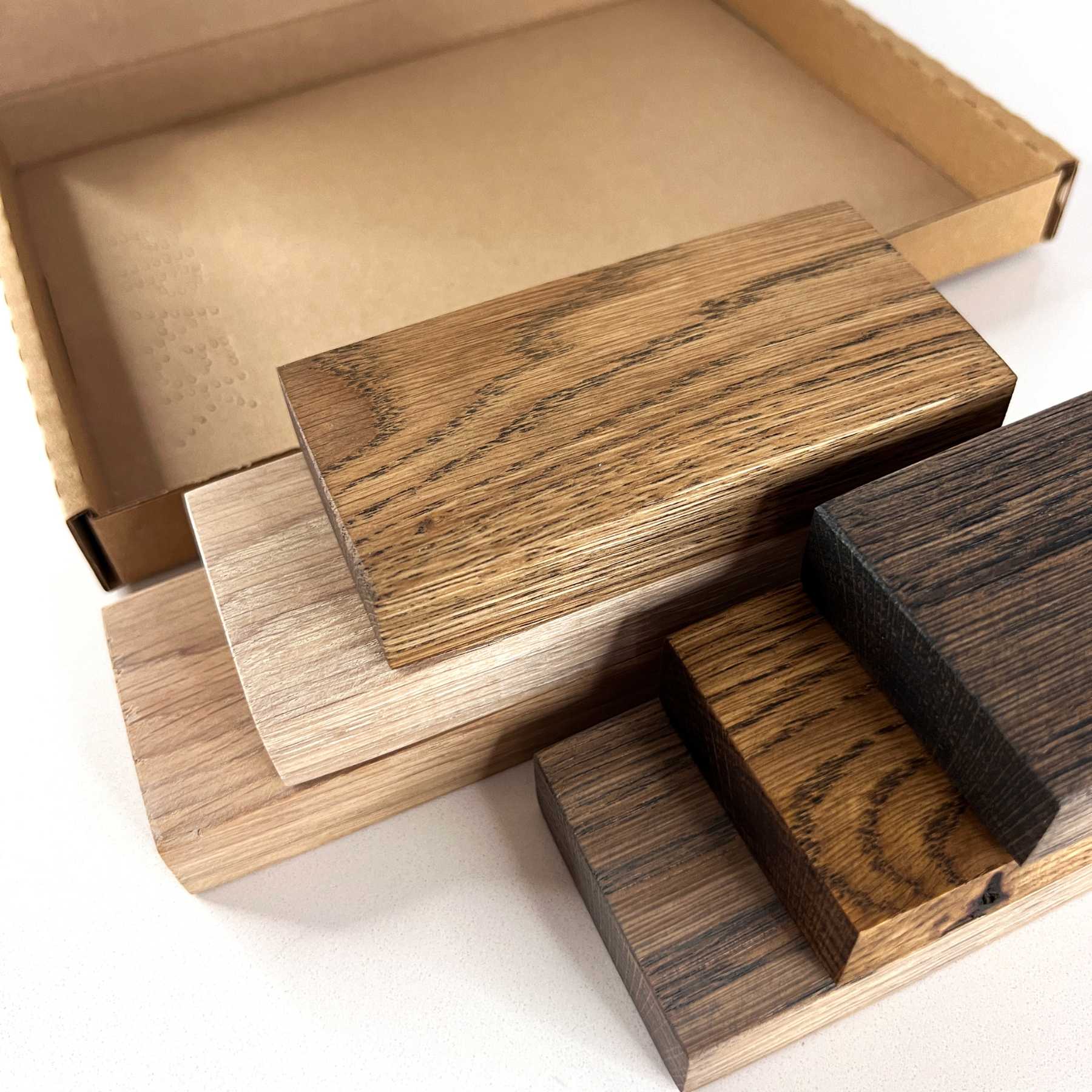
A maker who can talk through measurements, send material samples and answer practical questions is offering more than a transaction. They are helping you avoid the familiar frustration of furniture arriving that looked right online but feels wrong at home. Be prepared for a handcrafted bed to take longer than a boxed, mass-market alternative. That waiting time is part of the trade-off for a frame built specifically for you rather than pulled from warehouse stock.
A solid wood bed is not the cheapest route to a furnished bedroom, nor should it be bought on appearance alone. Choose one with honest materials, sound joinery and support designed for your mattress, and it becomes part of the rhythm of home life. The best test is simple: imagine it still standing quietly and beautifully beside you many years from now.