



Why British Made Furniture Still Matters
A dining table sees more of family life than almost any other piece in the home. It holds hurried breakfasts, homework, Sunday roasts, birthday candles and the odd set of muddy school bags. When a piece is asked to do that much, the way it is made matters. That is why British-made furniture continues to mean something real to homeowners who want more than a quick fix.
For many people, buying furniture is no longer just about filling a room. It is about choosing pieces that feel right in the space, suit the way the household lives and will still look good years from now. British craftsmanship answers that need with something mass production often cannot - proper materials, skilled hands and furniture made with a clear sense of purpose.
What sets British-made furniture apart
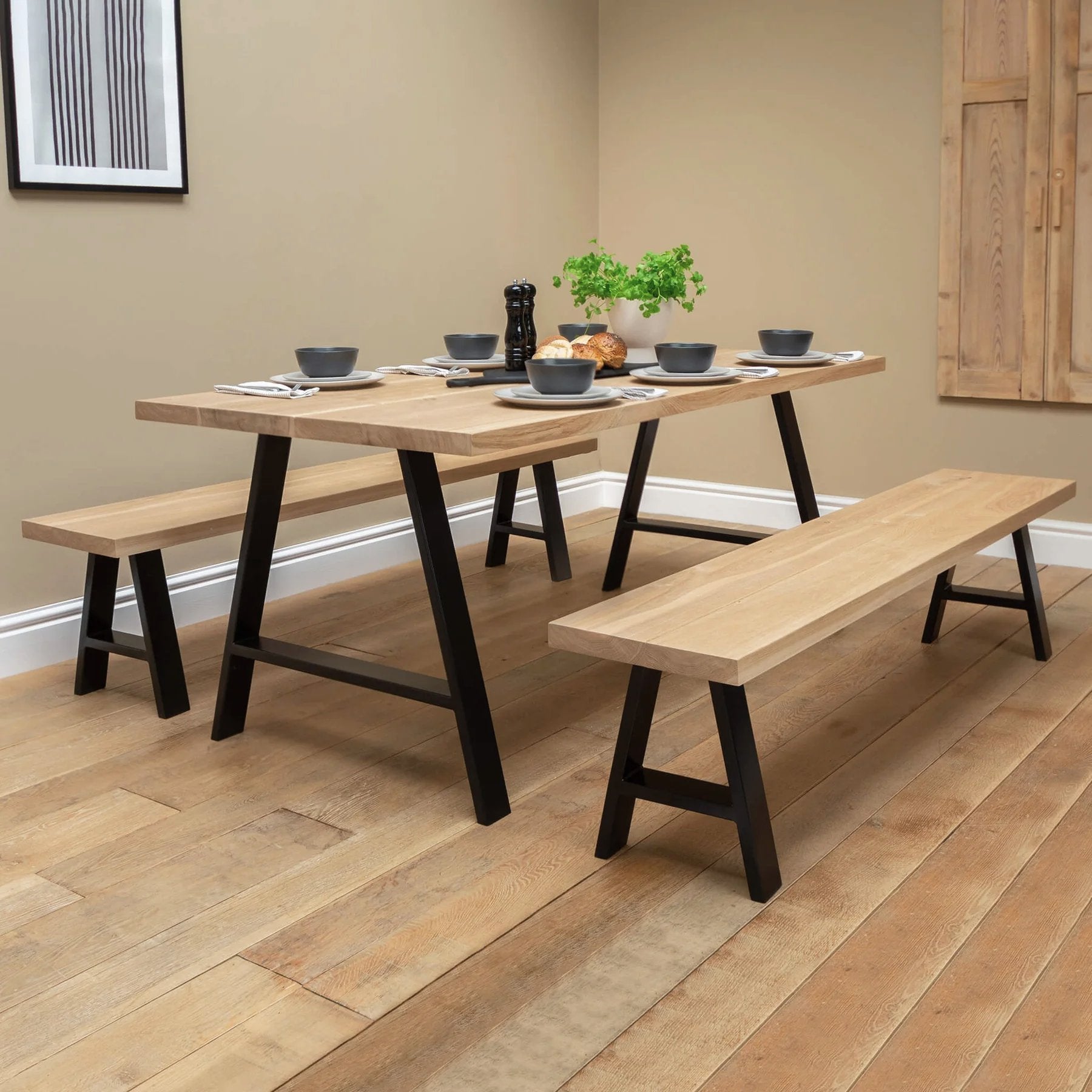
The difference often starts with the timber itself. Solid oak, reclaimed wood and other carefully chosen materials age with character. They develop a depth and warmth that veneered boards and lightweight composites rarely achieve. You can feel it in the weight of a table, see it in the grain and notice it in the way the piece sits confidently in a room.
There is also the matter of construction. Furniture made in British workshops is more likely to be built using time-honoured joinery, thoughtful proportions and finishes chosen for daily use rather than showroom effect. That does not mean every item must look traditional. Some of the best British-made furniture combines clean modern lines with old-fashioned craftsmanship, which is precisely why it works so well in both period homes and newer interiors.
Just as importantly, it tends to be made by people who understand what furniture is for. A dining table is not simply a surface. A bed is not simply a frame. A coffee table is not just a place to put a mug. These are pieces that need to live with you, cope with family life and still feel special after the novelty has worn off.
Why homeowners are moving away from throwaway furniture
There is a growing weariness with furniture that arrives in a flat box, looks acceptable for a year or two and then starts to wobble, chip or bow. At first glance, lower prices can look appealing. Over time, replacing the same categories again and again becomes frustrating and often more expensive than buying well once.
This is where quality becomes practical rather than indulgent. A solid wood table built to last is not just a nicer object. It is often the more sensible investment for a permanent home. The same goes for storage pieces that need to stand firm, beds that should feel sturdy every night and benches that are expected to handle the daily traffic of a busy hallway or kitchen.
British-made furniture appeals to people who would rather buy fewer, better things. That mindset is not about chasing trends. It is about choosing furniture with staying power - pieces that can move with you, adapt to different rooms and become part of the life of the house.
Bespoke sizes make a bigger difference than people expect
One of the great frustrations with mass-market furniture is how often it is almost right. The table is slightly too long for the room. The bench is too high. The bedside tables leave awkward gaps. The coffee table feels lost in a larger living room, or oversized in a smaller one.
Made-to-order furniture solves that problem beautifully. When dimensions can be adjusted, the whole room works better. Sight lines improve, movement feels easier and the finished space looks more settled. For family homes, this matters a great deal. You need enough room to pull dining chairs out properly, enough clearance around a bed and storage that fits the wall rather than fighting it.
There is also a visual benefit. Furniture that has been made with the room in mind tends to look calmer and more considered. It feels like it belongs there. For homeowners investing in a forever home or renovating with care, that level of fit is often worth far more than an off-the-shelf saving.
The value of seeing real materials
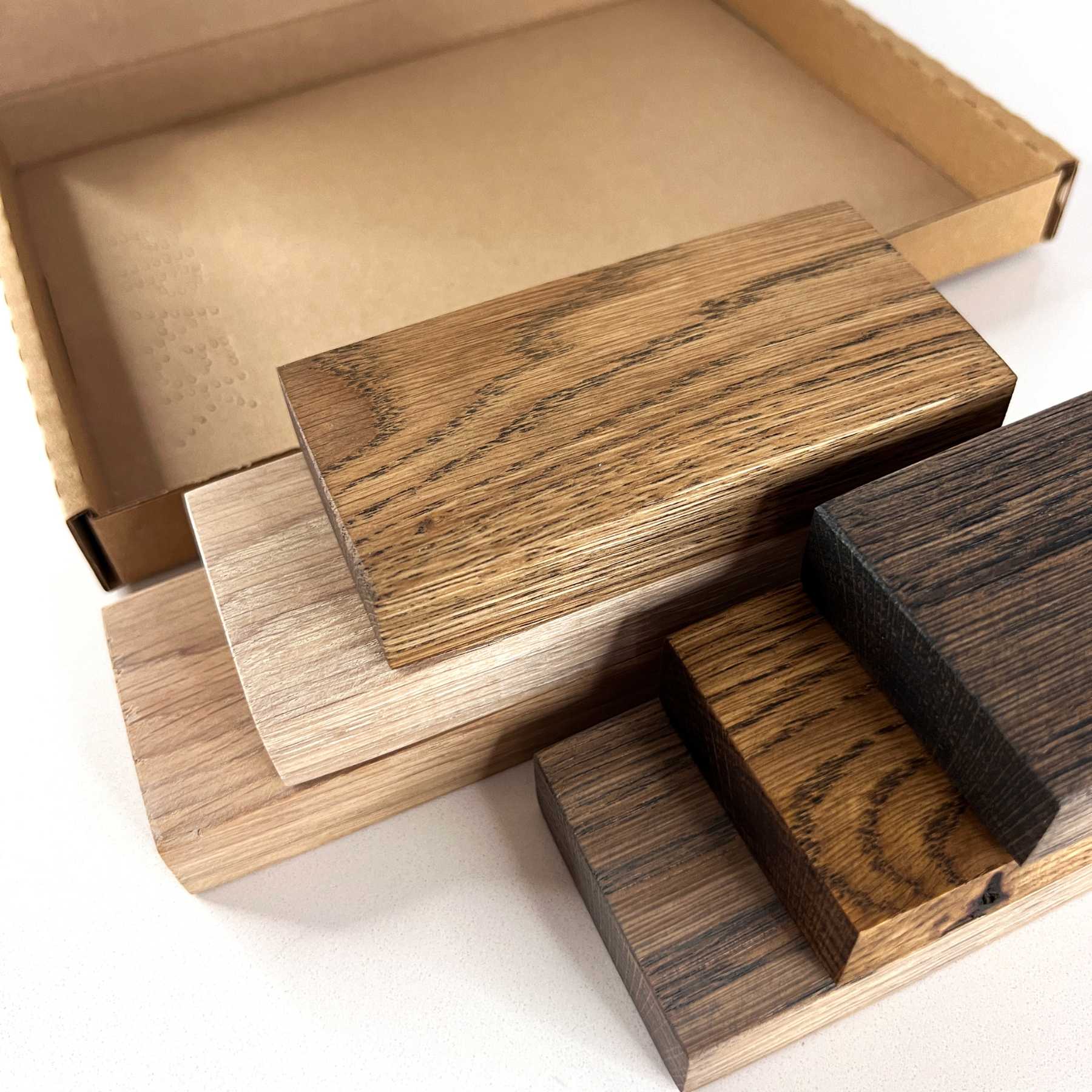
Buying furniture online can feel daunting, especially when you are choosing larger pieces. Oak can vary in tone. Reclaimed timber can carry more movement and marking. Metal frames can shift the feel of a design from soft and rustic to sharper and more industrial. These details matter because they affect how a piece will sit alongside flooring, paint colours and other furnishings.
That is one reason genuine makers put such emphasis on material samples and straightforward advice. Seeing timber in your own light helps you choose with confidence. It narrows the gap between online convenience and workshop knowledge.
It also reflects a different kind of service. When the people behind the furniture understand the materials first-hand, they can guide customers honestly. They can explain what will wear in gracefully, what suits heavy family use and what works best for a certain look. That kind of conversation is hard to replace.
British-made furniture and the emotional life of a home
Furniture is deeply practical, but it is emotional too. The best pieces become part of family memory. Children grow around them. Marks appear, stories gather, and over time they become familiar in the best possible way.
This is especially true of handmade wooden furniture. Timber has warmth that softens a room and gives it substance. A solid oak dining table can anchor an open-plan kitchen. A handcrafted bed can make a bedroom feel restful and grounded. A well-made coffee table can bring balance to a living room where everyone gathers at the end of the day.
There is comfort in knowing where that furniture came from and how it was made. For many customers, British-made furniture feels more personal because it connects the finished piece to a workshop, a craft and a set of values. It is not anonymous. It carries a sense of care.
It is not just about heritage - it is about accountability
British craftsmanship often gets framed as heritage alone, but there is a very practical modern reason people seek it out. Accountability. When furniture is made closer to home, communication is usually clearer, lead times are easier to understand and support feels more direct.
That matters if you need help choosing the right size, want to check access for delivery or need a finish that works with the rest of your scheme. It also matters after the piece arrives. Good furniture should be backed by knowledgeable service, not a maze of call centres.
A family-run British maker has a strong incentive to get the details right because reputation matters. Trust is built not only through craftsmanship, but through how a customer is looked after from first enquiry to final delivery.
Is British-made furniture always the right choice?
There are trade-offs, and it helps to be honest about them. British-made furniture is rarely the cheapest option. If speed is the only priority, made-to-order pieces may not suit you either. Good work takes time, especially when timber is selected carefully and each item is built to specification.
But that slower process is often exactly where the value lies. You are not paying simply for a label. You are paying for solid materials, skilled labour, tailored sizing and a piece built with longevity in mind. For customers furnishing a home they plan to stay in, that usually makes sense. For a short-term rental or a stopgap room, it may not.
What matters is buying with clarity. If you want furniture that will work hard, age well and feel rooted in your home, then quality British making offers something difficult to imitate.
Choosing pieces that will still work years from now
Styles shift, but some materials and forms remain dependable. Solid oak tables, simple wooden beds, practical benches and well-proportioned storage pieces have a way of staying relevant because they are tied to function as much as fashion. Industrial-style details, such as metal frames or reclaimed tops, can add character without making a room feel overly themed if they are used with restraint.
That is often the sweet spot for long-term furniture - enough design character to feel distinctive, enough honesty in the materials to age well, and enough craftsmanship to stand daily use. Brands such as Willen Rose build around that principle, creating furniture for real homes rather than show homes.
When choosing a piece, it helps to think beyond the first impression. Ask how it will look after five years, whether it suits the pace of your household and whether it has been made in a way that justifies its place in the room. The best furniture tends to answer those questions quietly but convincingly.
If a piece is going to witness the everyday rhythm of your home, it is worth choosing one with substance, character and the kind of craftsmanship you will appreciate more with every passing year.