



Why Handcrafted Wooden Beds Last Longer
A bed earns its place in a home quietly. It is there at the start of every day, at the end of every long one, and through years of changing routines, growing families and evolving interiors. That is exactly why handcrafted wooden beds deserve proper thought. When a piece is used this often, and expected to last this long, the difference between solid craftsmanship and mass production becomes very clear.
For many homeowners, the first frustration with an ordinary bed frame is not appearance but how quickly it begins to show its weaknesses. Joints loosen, slats shift, finishes mark too easily and the whole frame can feel less steady than it did on day one. A handcrafted bed is made with a different purpose. It is built to feel dependable, to age well and to become part of the fabric of the home rather than a temporary fix.
What sets handcrafted wooden beds apart
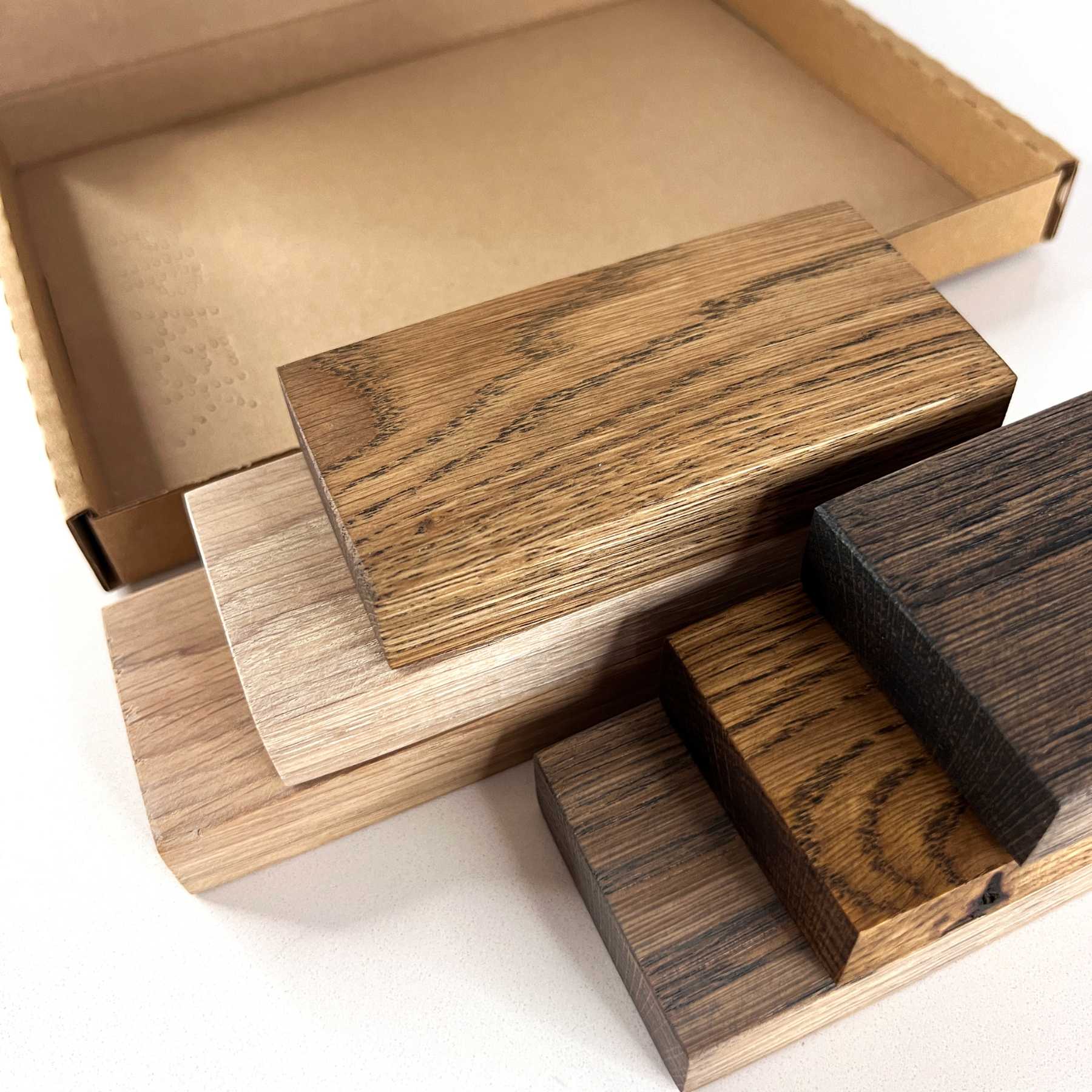
The biggest difference starts with the timber itself. Solid wood has weight, character and natural variation that manufactured boards simply cannot imitate. Grain patterns change from plank to plank, knots add individuality and the surface develops richness over time. That gives handcrafted wooden beds a warmth that feels lived-in from the moment they arrive, yet still refined enough to suit a carefully considered bedroom.
Then there is the way the bed is made. In a workshop setting, each component is cut, checked and assembled with the finished piece in mind rather than pushed through a production line for speed. Proportions matter. Joinery matters. The relationship between headboard, side rails and foot end matters. A well-made wooden bed should not just look beautiful in a photograph - it should feel balanced, sturdy and reassuring in daily use.
That level of care also allows for better decisions at every stage. Makers can choose timber with structural integrity, pay attention to how boards sit together and create a frame that supports the mattress properly. Those details are not always obvious at first glance, but they are often what make the bed still feel sound years later.
Why solid wood makes sense in a permanent home
If you are furnishing a home you plan to stay in, buying on longevity usually works out better than replacing cheaper furniture every few years. A bed frame is a good example. It is one of the hardest-working pieces in the house, so materials matter more here than they might with a purely decorative item.
Solid oak and other quality hardwoods have the strength to cope with regular use without feeling flimsy. They also have visual staying power. Trends in bedroom furniture come and go, but natural timber tends to remain relevant because it sits comfortably across styles. It works in a country cottage, a period townhouse, a modern extension or a pared-back new-build. That flexibility matters when bedrooms are redecorated and homes evolve.
There is a practical side to this too. Real wood can often be maintained more sympathetically than veneered or composite furniture. Small marks become part of its story, and in many cases surfaces can be refreshed rather than written off. For families, that is an important distinction. Furniture that can live with real life usually proves more valuable than furniture that only looks its best when untouched.
Handcrafted wooden beds and the question of size
One of the most common problems with off-the-shelf furniture is that it assumes every room works to standard dimensions. Bedrooms rarely do. Chimney breasts, sloping ceilings, alcoves and awkward wall lengths can turn a straightforward purchase into a compromise.
This is where made-to-order craftsmanship becomes especially valuable. Handcrafted wooden beds can be tailored to suit the room as well as the mattress. A lower foot end may help preserve a sense of space in a smaller bedroom. A taller headboard can add presence in a larger master bedroom. Slight changes in width, length or overall proportions can make the difference between a bed that merely fits and one that feels as though it belongs there.
For taller sleepers, bespoke sizing may also be worth considering. The same goes for anyone trying to balance generous sleeping space with restricted room dimensions. Standard options suit many homes, but not all. Good craftsmanship leaves room for those practical adjustments without losing visual coherence.
Style matters, but it should never come before build quality
A bed is often the visual anchor of a bedroom, so design naturally plays a large part in the decision. Some people are drawn to the clean simplicity of a timeless oak frame. Others want a more rustic look, with visible grain and a little more texture. In some interiors, a wooden bed with subtle industrial details creates exactly the right balance between warmth and edge.
Even so, style should not distract from the essentials. A striking headboard means very little if the frame creaks within months. Good design and sound construction should work together. The best handcrafted beds do not ask you to choose between them.
This is often where workshop-made furniture stands apart. The maker understands how the bed needs to perform, not just how it needs to appear. That usually leads to cleaner proportions, stronger assembly and details that feel considered rather than decorative for the sake of it.
The trade-offs worth thinking about
It would be too simple to suggest that a handcrafted bed is the right choice for absolutely everyone. There are trade-offs, and they are worth being honest about.
The first is price. A solid wood bed made to order will cost more than a mass-produced alternative. Better timber, skilled labour and bespoke options all add to the investment. For customers furnishing a long-term home, that often feels justified because the piece is built to last. But if you need the cheapest immediate option, handcrafted furniture is not designed to compete on that basis.
The second is lead time. Workshop-made furniture takes time to build properly. That can require patience, especially if you are working to a moving date or trying to furnish a room quickly. Yet for many buyers, waiting a little longer for something made well is preferable to settling for something generic that may need replacing.
Natural timber itself also comes with character. Grain variation, knots and tonal shifts are part of the appeal, but they do mean no two beds are identical. For most people that individuality is a strength. If you want perfect visual uniformity, however, natural wood may feel less predictable than manufactured finishes.
Why the maker matters as much as the material
A beautiful piece of oak can still become a disappointing bed if it is badly made. That is why the workshop behind the furniture matters so much. When you buy from experienced makers, you are not just choosing a design. You are choosing judgement - about timber selection, construction methods, finishes and proportions.
That expertise is especially useful when you have questions beyond the obvious. Which finish will suit a lighter bedroom? What headboard height works best beneath a window? Will a particular frame feel too heavy in a smaller space? Those details are much easier to navigate when you are speaking to people who understand furniture from the inside out.
For a British-made piece, there is also something reassuring about knowing where it comes from and who has built it. In a market full of anonymous imports and fast furniture, that connection still matters. It adds confidence to the purchase and often results in a more personal, more thoughtful experience.
At Willen Rose, that workshop-led approach is central to the process. The appeal is not only that a bed is made from solid timber, but that it is made with care, by people who understand how it will be used in a real family home.
A bed should feel better with time
The strongest argument for handcrafted wooden beds is not really about trend, luxury or even appearance, though all of those can play a part. It is about living with something that continues to justify its place. A well-made wooden bed should still feel sturdy after years of use. It should still look right when wall colours change, when flooring is replaced, when one chapter of family life gives way to another.
That kind of longevity is difficult to fake. It comes from solid materials, careful making and a willingness to build furniture properly rather than quickly. If you want a bed that feels honest, substantial and made for more than a short spell, craftsmanship is not an extra. It is the whole point.
When a piece is built with that level of care, it does more than furnish a bedroom. It becomes part of the comfort of home.