



Bespoke Versus Ready Made Furniture: Which Fits?
A dining table can be the centre of a busy home for decades, so finding one that is almost the right size is rarely good enough. The choice between bespoke versus ready made furniture comes down to more than price or delivery speed. It is about how you live, the character you want in your home, and whether the piece needs to work around real life rather than an average-sized room.
Ready made furniture has its place. It can be a sensible answer when you need something promptly, love a particular design as it stands, or are furnishing a home that may not be permanent. Bespoke furniture, meanwhile, gives you the opportunity to shape a piece around your space, your family and the years ahead. Neither is automatically the right choice, but knowing the differences makes a considered investment much easier.
Bespoke versus ready made: the difference that matters
Ready made furniture is designed, produced and stocked in standard specifications. You choose from a set range of dimensions, finishes and materials, then purchase the closest match. There is comfort in that simplicity: you can see exactly what you are buying, compare options quickly and, depending on availability, receive it sooner.
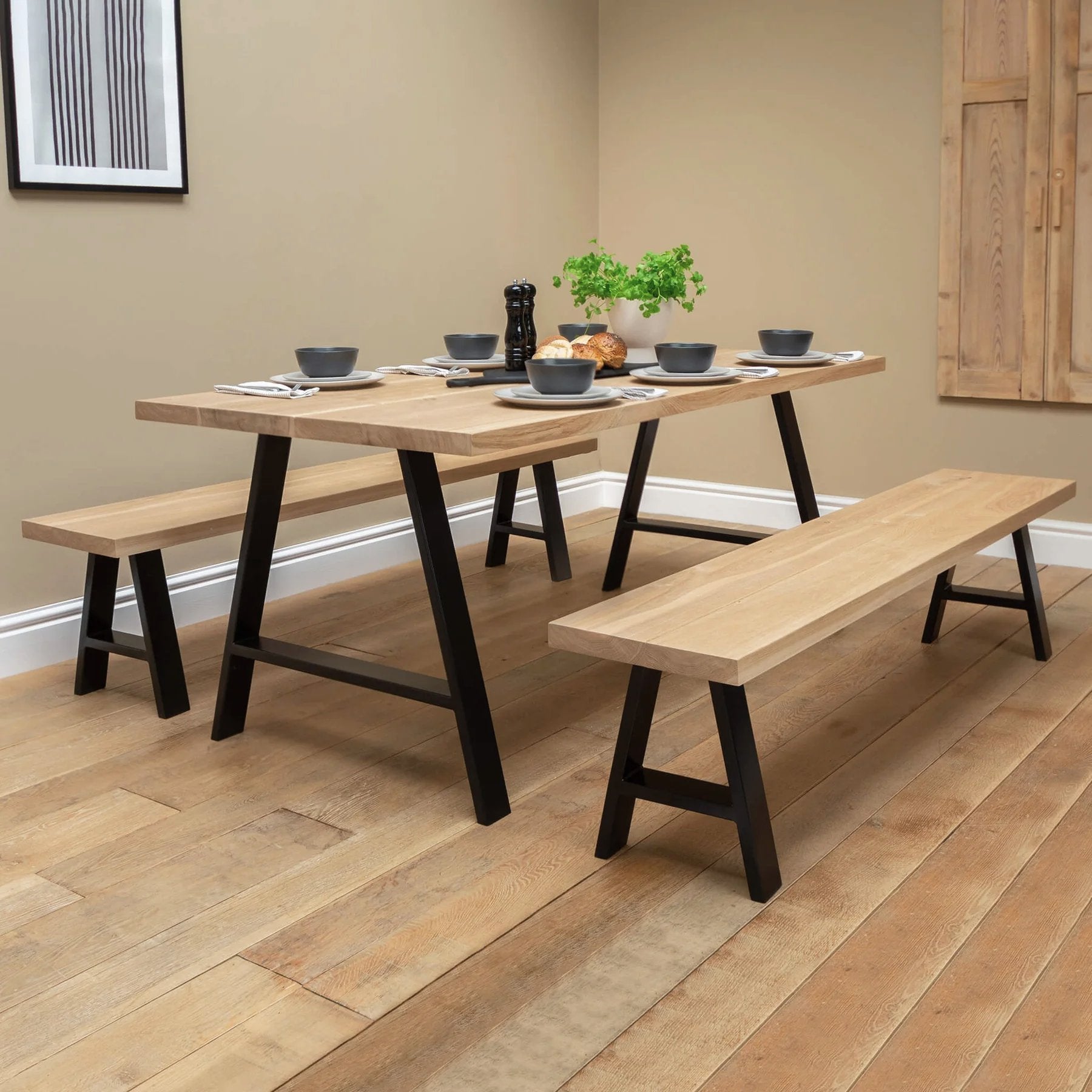
Bespoke furniture is made to order. Rather than adapting your room to suit a standard table or bed, the furniture is designed around the measurements and details that matter to you. That might mean an oak dining table made 15cm narrower to preserve a clear walkway, a bench that slides neatly beneath it, or a bed frame tailored to sit comfortably below a low window.
The difference is not simply that one is custom and one is not. A well-made bespoke piece is a conversation between the home and the workshop. The proportions, timber, finish and practical details are considered together, so the finished furniture feels as though it belongs there.
When ready made furniture is the sensible choice
There is no virtue in commissioning a bespoke piece when a ready made design genuinely meets your needs. If your room has straightforward proportions, you are happy with standard sizes and you need furniture within a short timeframe, ready made can be the most practical route.
It also works well where flexibility is more valuable than permanence. Perhaps you are furnishing a first home, a rental property, a guest room or a space likely to change its purpose. In those cases, a standard piece may offer the function you need without committing to a larger investment.
Ready made can be especially appealing when you have already found the exact look you want. However, it is worth checking the construction before making a decision. Terms such as “oak effect”, “wood finish” and “solid top” can describe very different products. Veneer and engineered boards have useful applications, but they do not offer the same depth, repairability or character as solid timber.
Before ordering, measure more than the space where the furniture will sit. Consider doorways, hallways, staircases and turning points, as well as room to pull out dining chairs or open drawers. A table that fits on paper can still make a dining room feel cramped once family life begins around it.
Why bespoke furniture earns its place
The strongest reason to choose bespoke is fit. British homes are full of character, but rarely built to convenient furniture dimensions. Bay windows, alcoves, chimney breasts, uneven walls and compact dining areas can make standard sizing frustrating. A made-to-order piece lets you use the room properly without sacrificing the design you had in mind.
For a dining table, small changes in width, length or leg position can transform how the room works. A central pedestal base may give more freedom for seating. A slimmer top can maintain circulation in a narrower kitchen-diner. An extending design can make room for Sunday lunch without asking a compact space to accommodate a large table every day.
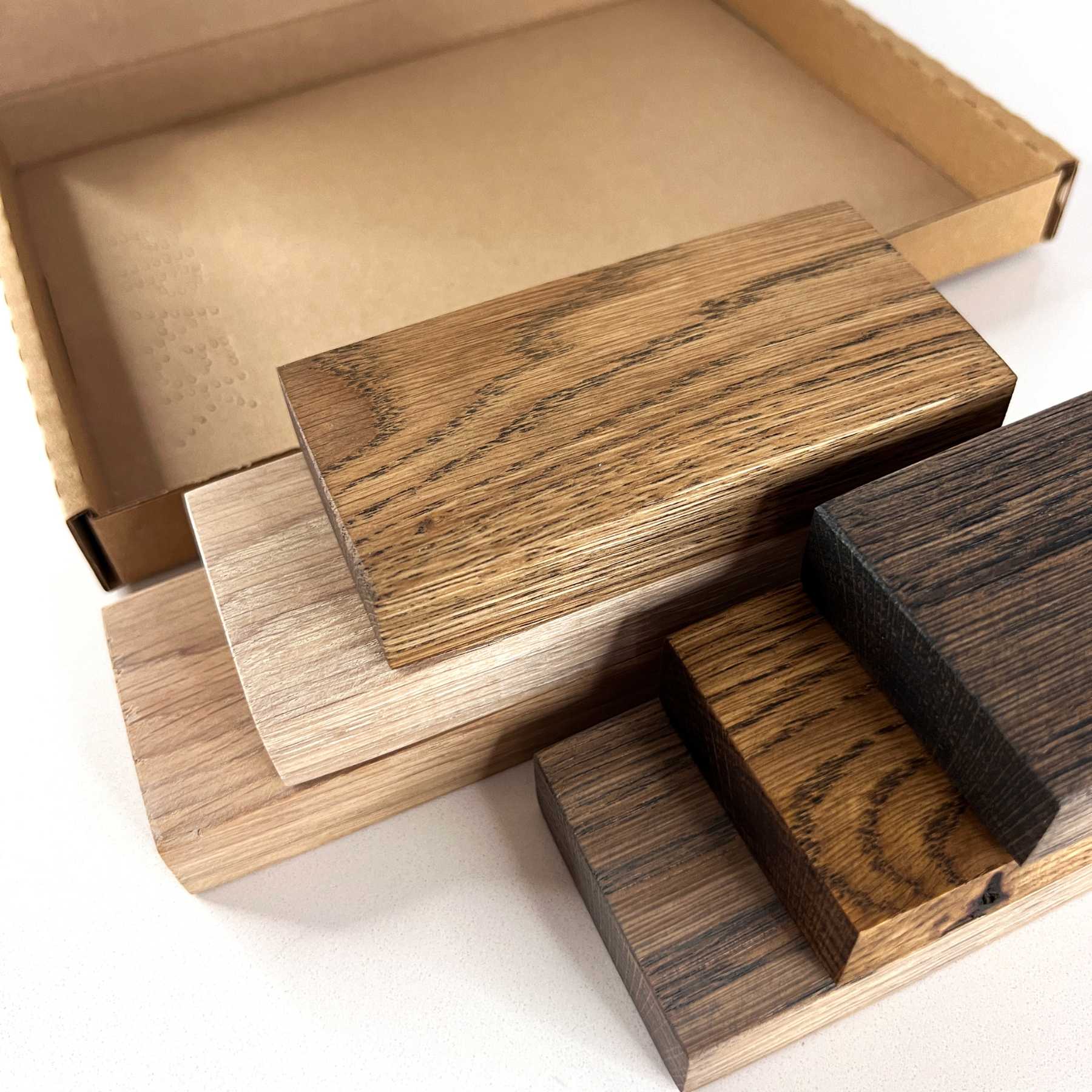
Bespoke also gives you greater control over materials and finish. Solid oak can be selected for its warm grain and timeless strength, while reclaimed timber brings texture, history and individual markings. A natural finish may suit a light, contemporary room; a deeper tone can complement older floorboards, painted cabinetry or industrial metalwork. Samples are invaluable here, as timber changes with the light throughout the day and will look different beside your existing flooring and walls.
There is a practical advantage to solid wood too. It is made for living with. A quality timber top can be cared for, refreshed and, if necessary, repaired rather than discarded after a few years. It will gain the gentle signs of home life - the marks, grain variation and mellowing colour that make a table feel loved rather than worn out.
Lead time is part of the decision
The trade-off with bespoke furniture is time. A workshop cannot make a considered solid wood table in the same way a warehouse can dispatch a boxed product. Timber needs to be prepared, components shaped and joined, surfaces finished, and every detail checked before delivery. That process is worth respecting, particularly for a piece intended to stay with you for many years.
If you have a fixed date in mind, such as moving into a new house or hosting a family celebration, plan early. Ask about current production times, delivery arrangements and when final measurements need to be confirmed. It is better to allow enough time than to rush into a standard piece that never quite feels right.
That said, lead time should be weighed against the lifespan of the furniture. Waiting several weeks for a table crafted to your room can feel very different when you imagine using it for the next ten or twenty years. The question is not only, “When can I have it?” but also, “Will I still be pleased I chose it years from now?”
Comparing cost and long-term value
Ready made furniture often has a lower upfront price, particularly when it is mass-produced from lower-cost materials. Bespoke furniture requires skilled labour, quality timber and a more individual making process, so the initial cost is usually higher. That is a real consideration, and it is sensible to set a budget before falling in love with a design.
Value, though, is broader than the price on the order confirmation. Consider how long the furniture should last, whether it can be maintained, and how well it will serve your household as life changes. A solid oak table that seats the family comfortably, fits the room perfectly and can be refinished in future may prove better value than replacing cheaper alternatives every few years.
It is also worth looking closely at what is included. Delivery access, assembly, finish choices, metal base styles and bespoke dimensions can all affect the final price. Clear communication at the quotation stage prevents surprises and helps you compare like with like.
Questions to ask before choosing
Start with how the furniture will be used, rather than how it will look in a photograph. How many people sit at the table on an ordinary evening? Do you regularly host friends? Will children do homework there, or will it become a place for crafts, laptops and long conversations? The answers influence the size, shape and finish far more than a passing trend.
Then consider the room itself. Mark out the proposed footprint on the floor with masking tape, including the space needed for chairs and movement. For beds, measure around opening doors, radiators and bedside furniture. For storage, think about what needs to be hidden, displayed or reached every day.
Finally, ask what you are buying the piece for. If it is a short-term solution, ready made may be exactly right. If it is the table where birthdays will be celebrated and everyday meals shared, bespoke craftsmanship offers something more personal. At Willen Rose, that means furniture lovingly made in Derbyshire from solid, sustainable timber, with the details considered for the way your home really works.
A home does not need every item to be bespoke. The best rooms often mix useful ready made pieces with one or two carefully chosen anchors: the dining table that gathers everyone together, the bed that makes a bedroom feel settled, or the coffee table that quietly carries daily life. Choose the route that gives you confidence each time you walk into the room - and, where it matters most, choose furniture with a future in it.