



Custom Size Dining Tables That Truly Fit
A dining table can look perfect in a showroom and still feel wrong the moment it reaches your home. It might crowd a walkway, leave chairs wedged against a wall, or simply feel too small once the family sits down. That is exactly why custom size dining tables matter. They are not about being extravagant. They are about getting the proportions right for the way you actually live.
For many households, the dining table is asked to do far more than host Sunday lunch. It is where homework gets finished, laptops get opened, birthday candles are blown out and cups of tea stretch into long conversations. A table used this often needs to suit the room properly, and standard sizes do not always make that easy.
Why custom size dining tables make sense
Mass-produced furniture is built around averages. Average room sizes, average layouts, average family needs. Real homes are rarely that simple. You may have an open-plan kitchen with a narrow route to the garden doors, a period property with an awkward alcove, or a newer dining area that needs a statement piece without overwhelming the space.
A made-to-order table lets you work with the room rather than against it. The length can be adjusted so chairs pull out comfortably. The width can be chosen to suit everyday meals without making conversation feel distant. The height can remain within tried and tested dining proportions, while the overall footprint is shaped around your home.
That practical fit changes how a room feels. When a table is properly sized, the space looks calmer and works better. There is enough room to move, enough seating for the people who matter, and none of the compromise that often comes with buying off the shelf.
Getting the size right for your room
Choosing dimensions is not just a matter of asking how many people you want to seat. It starts with the room itself. A generous dining room may comfortably hold a long rectangular table, while a kitchen diner often needs more careful planning so everyday movement still feels easy.
As a guide, you should allow enough clearance around the table for chairs to be drawn back and for people to walk behind them without squeezing through. If the room is tight, reducing the width slightly can make a surprising difference while still leaving plenty of usable surface. In larger rooms, a wider or longer top can help the table feel grounded rather than undersized.
It also helps to think about how the table is used most of the time. A family of four may not need an oversized table every day, even if they entertain occasionally. Equally, households that regularly gather grandparents, friends or grown-up children around the table may find standard six-seater dimensions restrictive. This is where bespoke sizing becomes so valuable - it can be tailored to your real life rather than an assumed one.
Length, width and everyday comfort
Length tends to get the most attention, but width plays a huge part in comfort. Too narrow, and place settings feel cramped. Too wide, and the table can become less sociable, especially for everyday meals. For many homes, the best width is one that allows serving dishes in the centre while keeping conversation natural and relaxed.
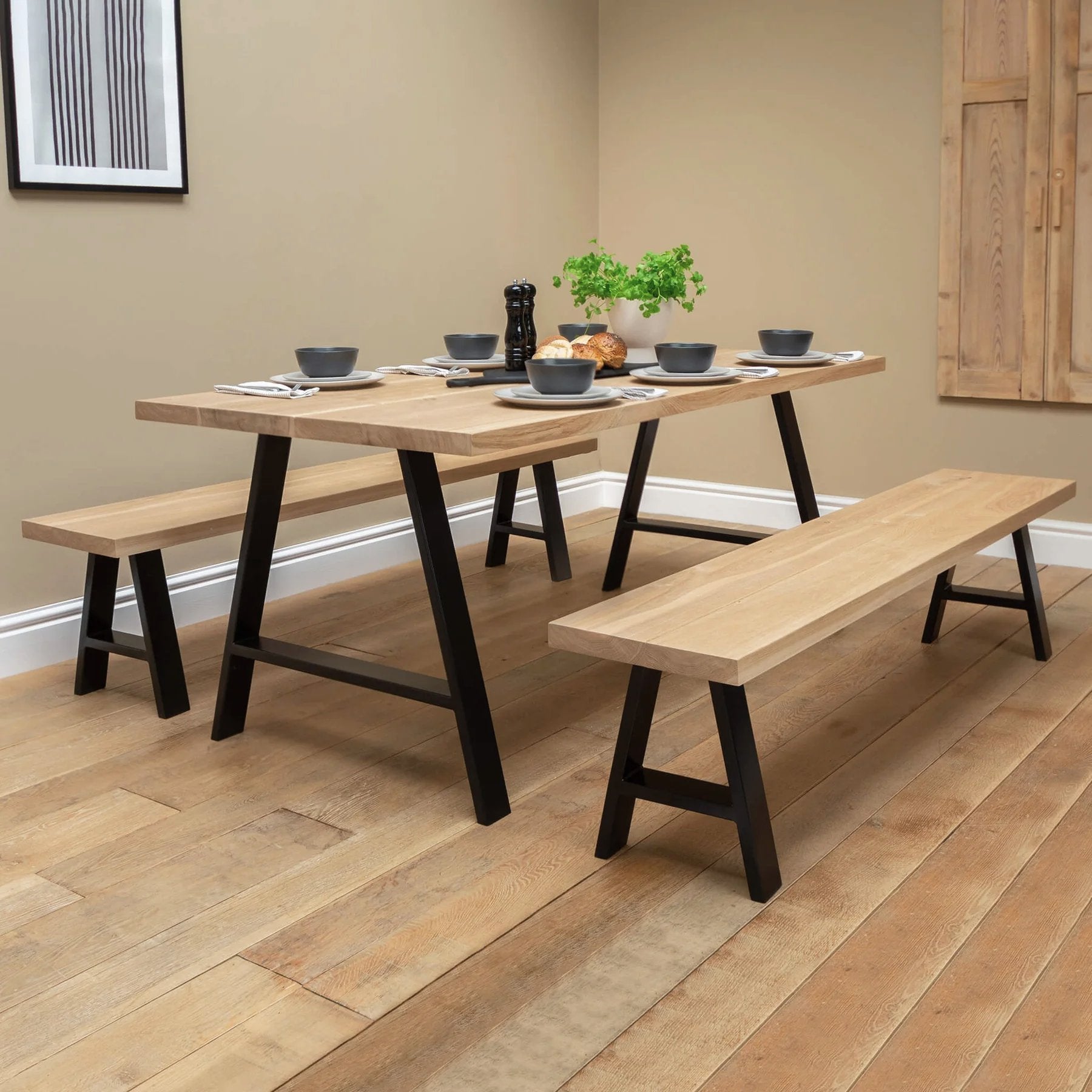
The balance between bench seating and dining chairs matters too. Benches can save space in some layouts and create a more informal, family-friendly feel. Chairs offer individual comfort and can make a room look lighter. A custom table can be designed with either option in mind, which affects overhang, leg placement and the amount of room needed around it.
Shape changes everything
Rectangular tables remain the most versatile choice for many British homes, particularly where space runs lengthways. They are practical, timeless and easy to scale up or down. But they are not the only answer.
Square tables can work beautifully in compact dining rooms or square kitchen spaces, creating a more balanced look. Round tables soften a room and are especially good for conversation, though they need enough surrounding space to avoid feeling awkward near walls. In open-plan settings, a round or oval table can help the dining area feel more relaxed and less rigid.
The right shape depends on circulation, seating needs and style. There is no single best option - only the one that suits your room and your household best.
The value of solid wood in a bespoke table
When you invest in a made-to-order dining table, materials matter just as much as measurements. Solid wood has a character that manufactured boards cannot replicate. The grain, texture and natural variation give each piece its own identity, and that becomes even more meaningful in a table built specifically for your home.
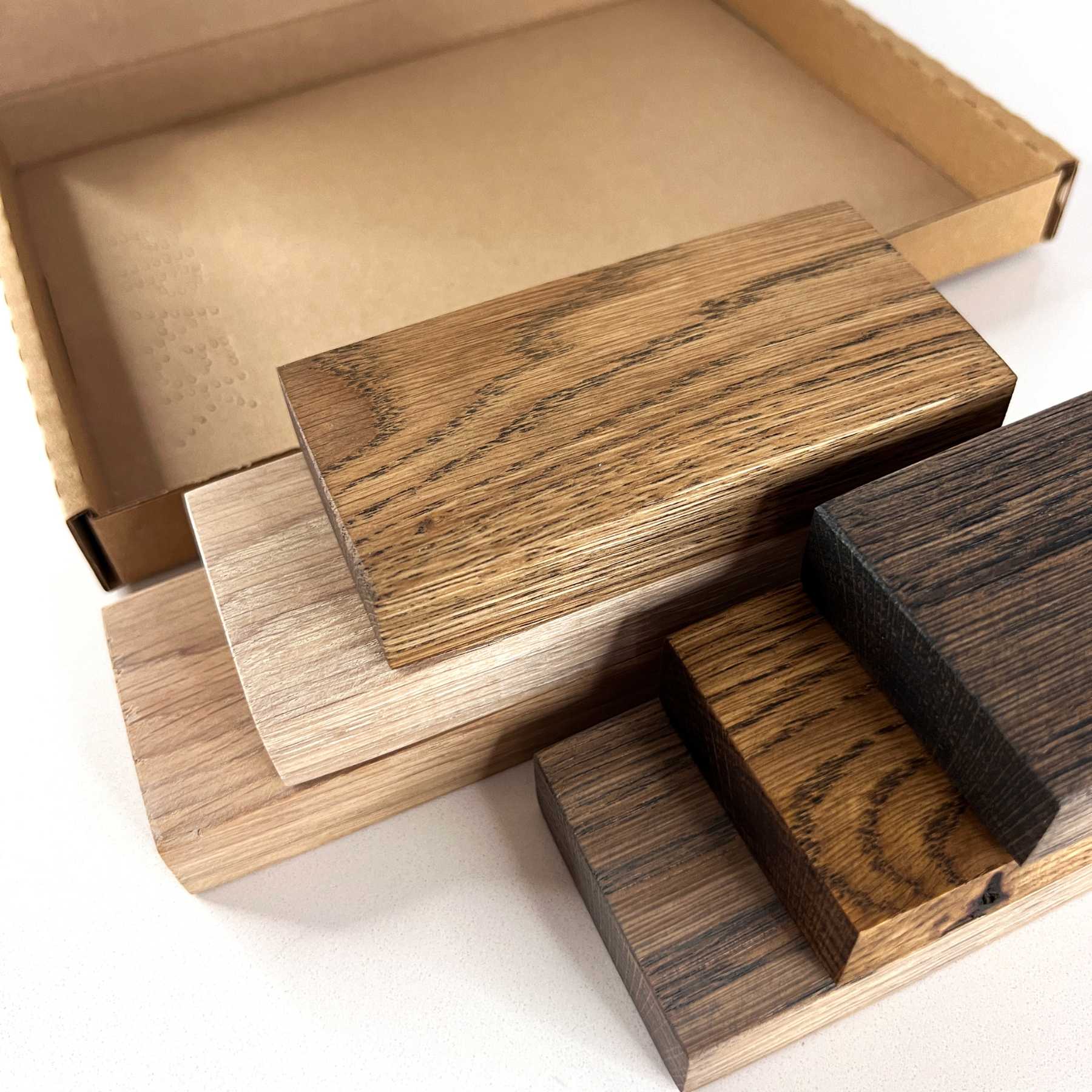
Oak remains a favourite for good reason. It is strong, dependable and full of warmth, with a grain that suits both rustic and more contemporary interiors. Reclaimed timber offers even more texture and history, often bringing a weathered charm that feels instantly lived-in. Each timber choice carries a different mood, so the decision is partly practical and partly personal.
There are trade-offs, of course. Solid wood responds to its environment, and that is part of its beauty. Natural movement with changes in temperature and humidity is to be expected. A well-made table is designed to allow for this, and a good maker will explain how to care for it properly. That honesty matters. Bespoke furniture should feel reassuring, not mysterious.
Bespoke details that affect the finished look
The dimensions may be the starting point, but they are not the whole story. Leg style, top thickness, edge detail and finish all shape the final piece.
A chunky top can create a bold farmhouse feel, while a slimmer profile may suit a cleaner, more understated interior. Metal legs can introduce an industrial edge and free up visual space beneath the table, whereas solid timber bases bring a traditional sense of permanence. Even the finish changes the character - some homeowners prefer a lighter, more natural look, while others want deeper tones that feel rich and grounding.
These details are worth taking time over because they influence not only how the table looks, but how it lives in the room. A busy family kitchen may call for a forgiving finish and sturdy proportions. A formal dining room may lean towards something more refined. The best bespoke pieces are thoughtful from every angle.
Why made-to-order often works better than buying bigger
People often try to solve a sizing issue by choosing the nearest larger standard table, assuming extra room is always useful. Sometimes that works. Often it creates a new problem.
A table that is too large can make a room feel awkward every single day, even if it is handy twice a year at Christmas. It can dominate the layout, reduce natural flow and leave chairs constantly knocked against walls or cabinetry. A better approach is to choose a table that suits ordinary life first, then consider whether design features such as carefully planned proportions or alternative seating arrangements can help with occasional guests.
That is one of the strengths of bespoke furniture. It encourages sensible decisions rather than showroom decisions. You are less likely to buy on impulse and more likely to end up with a piece that earns its place over many years.
Choosing a maker for custom size dining tables
Good bespoke work starts with good conversation. A maker should want to know about your room, your layout and how you use the table, not just the dimensions you have written down. Measurements matter, but so does context.
That is where a craft-led approach stands apart. When a table is made by experienced hands, there is practical knowledge behind every recommendation. You are not left to guess whether a certain width will feel cramped, whether a pedestal base will give better leg room, or whether a particular timber suits family life. You are guided through those decisions with clarity.
For homeowners who want furniture with lasting value, that level of input is often the difference between a piece that simply fits and one that feels absolutely right. At Willen Rose, that thinking sits at the heart of bespoke making - solid wood furniture built around the home it is going into, and the life it is about to become part of.
Custom furniture is not about chasing something fussy or overdesigned. It is about getting the essentials right - size, shape, material and craftsmanship - so the table feels like it belongs from the very first day. When a dining table is made with your space in mind, it stops being just another piece of furniture and becomes part of the rhythm of home.