



Are Bespoke Tables Worth It?

You notice it the moment a table is slightly wrong. It is too long for the room, too narrow for proper place settings, too high for the chairs you love, or made from a finish that looks tired before the first Christmas dinner. That is usually the point people start asking, are bespoke tables worth it?
For many homes, the answer is yes - but not for everyone, and not for every room. A bespoke table costs more than an off-the-shelf alternative, so it needs to earn its place. The value lies in how well it fits your space, how long it lasts, and whether it becomes part of family life rather than just another purchase you plan to replace in a few years.
Are bespoke tables worth it for everyday family life?
A dining table is not a decorative extra. It is where homework gets spread out, Sunday lunches run late, friends gather, and everyday meals happen without much ceremony. When a table is used that often, the details matter more than people expect.
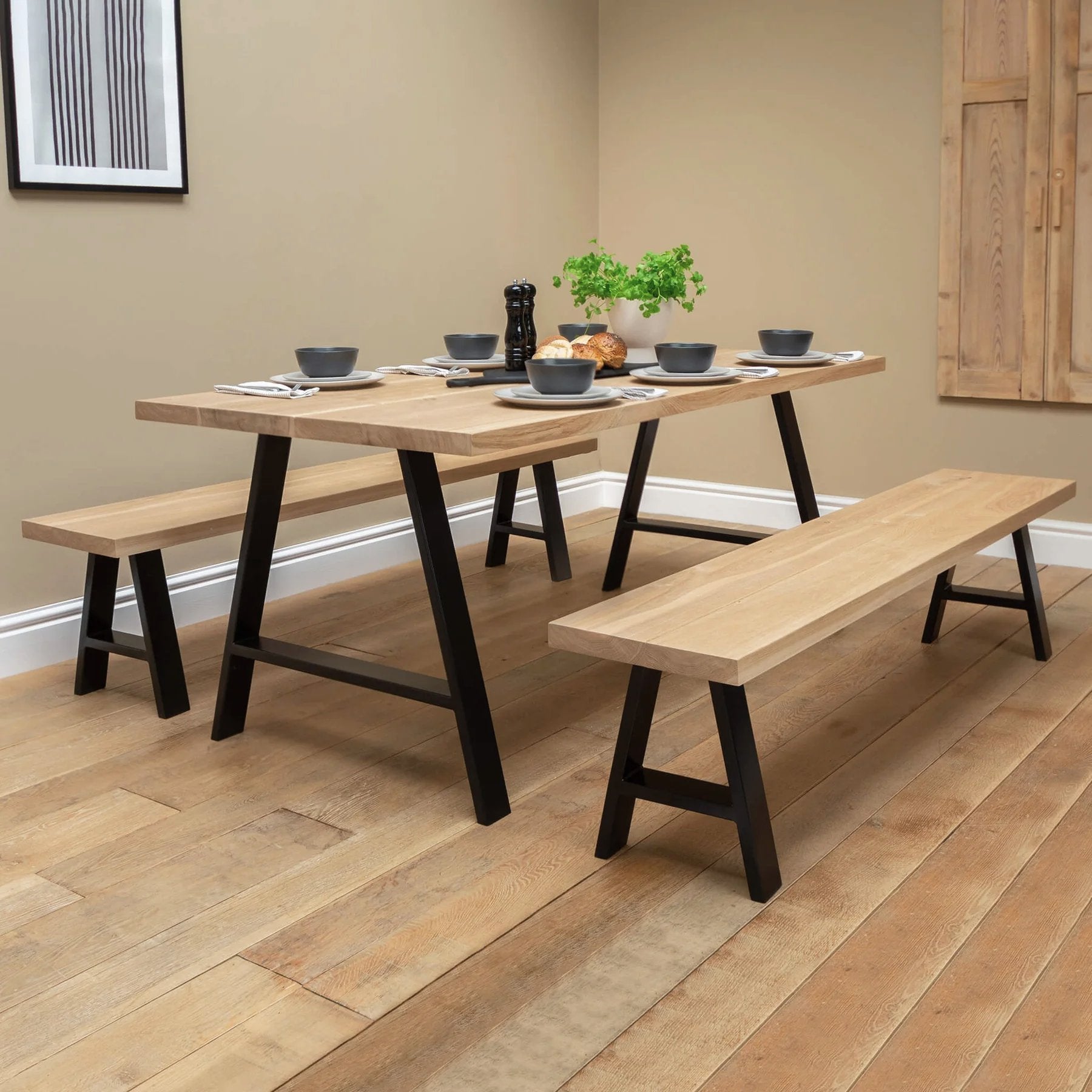
A bespoke piece lets you choose dimensions that suit how you actually live. That might mean making the table narrower so there is enough room to walk around it comfortably, extending the length to seat grandparents at birthdays, or choosing a chunky solid oak top that can handle years of use without feeling fragile. Those choices are hard to find in mass-produced furniture, where sizes tend to follow standard stock formats rather than real homes.
This is especially true in British houses, where room proportions are rarely standard. Cottage dining rooms, Victorian terraces, open-plan kitchen extensions and newer family homes all ask different things of a table. A made-to-order piece can answer those practical questions properly instead of forcing a compromise.
The real difference between bespoke and off-the-shelf
The biggest difference is not only appearance. It is the combination of fit, material and build quality.
An off-the-shelf table is designed to suit as many buyers as possible. That usually means set dimensions, limited finishes and construction methods aimed at volume. Sometimes that works perfectly well, particularly if the room is generous and your needs are simple. But standard furniture often asks you to accept one or two frustrations - a finish that is close but not quite right, a leg position that catches knees, or a size that leaves the room feeling cramped.
A bespoke table starts with the room and the people using it. The measurements can be adjusted, the timber selected with care, and the base style matched to the look of the home. If you want a solid oak top with a particular edge detail, a reclaimed look, or an industrial metal frame that still feels warm and timeless, those decisions are part of the process.
That does not automatically make bespoke better in every case. It makes it more considered. And that difference is often what people are paying for.
When a bespoke table is worth the extra cost
The strongest case for bespoke usually comes down to three things: awkward spaces, long-term use and material quality.
If your room has tight clearances, alcoves, unusual proportions or connecting doors, made-to-order sizing can save you from buying something that never sits comfortably. A few centimetres either way can transform how a room works. That is difficult to appreciate until you have lived with a table that is forever in the way.
Long-term use matters just as much. If you are furnishing a permanent home rather than a temporary stop, paying more for a table that is crafted to last often makes financial sense over time. A well-made solid wood table can serve for decades. It can gather marks, mellow in colour and become part of the character of the home, rather than being discarded when veneers chip or joints loosen.
Then there is the material itself. Solid timber behaves differently from lower-cost substitutes. It has weight, texture and depth that photographs cannot fully show. It also tends to age more gracefully. Small knocks become part of the story rather than the beginning of the end.
For households that value all three - a precise fit, proper longevity and the feel of real wood - bespoke is often worth every penny.
When bespoke may not be the right choice
It is equally fair to say that bespoke is not always necessary.
If you are furnishing a rental, a short-term home, or a room that is rarely used, a standard table may be the more sensible option. The same applies if your budget is already stretched and the custom element would force compromises elsewhere, such as buying cheaper chairs or settling for a finish you do not really want.
There is also the question of lead time. A handcrafted table is made to order, which means waiting. For some customers, that is part of the appeal. For others, especially if a move is imminent or a room needs furnishing quickly, stock furniture offers speed and convenience that bespoke cannot match.
Being honest about how long you will keep the piece, how much use it will get and whether the room truly needs a custom size is the best way to judge value.
Are bespoke tables worth it if you care about design?
Yes, particularly if you want a table to feel anchored to the home rather than dropped into it.
The right table has a surprising amount of influence on a room. It can soften an industrial interior with warm oak grain, add structure to a rustic kitchen with a bold metal base, or bring calm to a busy family space through simple, well-balanced proportions. Bespoke furniture gives you more control over that outcome.
That does not mean creating something fussy or overdesigned. In fact, the best bespoke pieces are often the most straightforward. The craftsmanship sits in the timber choice, joinery, finish and proportions rather than unnecessary decoration. A table can be simple and still feel deeply special if it has been made well and sized properly.
For design-conscious homeowners, that sense of quiet rightness is often the real benefit. It looks better because it belongs there.
What you are really paying for
Part of the hesitation around bespoke comes from price. That is understandable. But it helps to look beyond the headline figure.
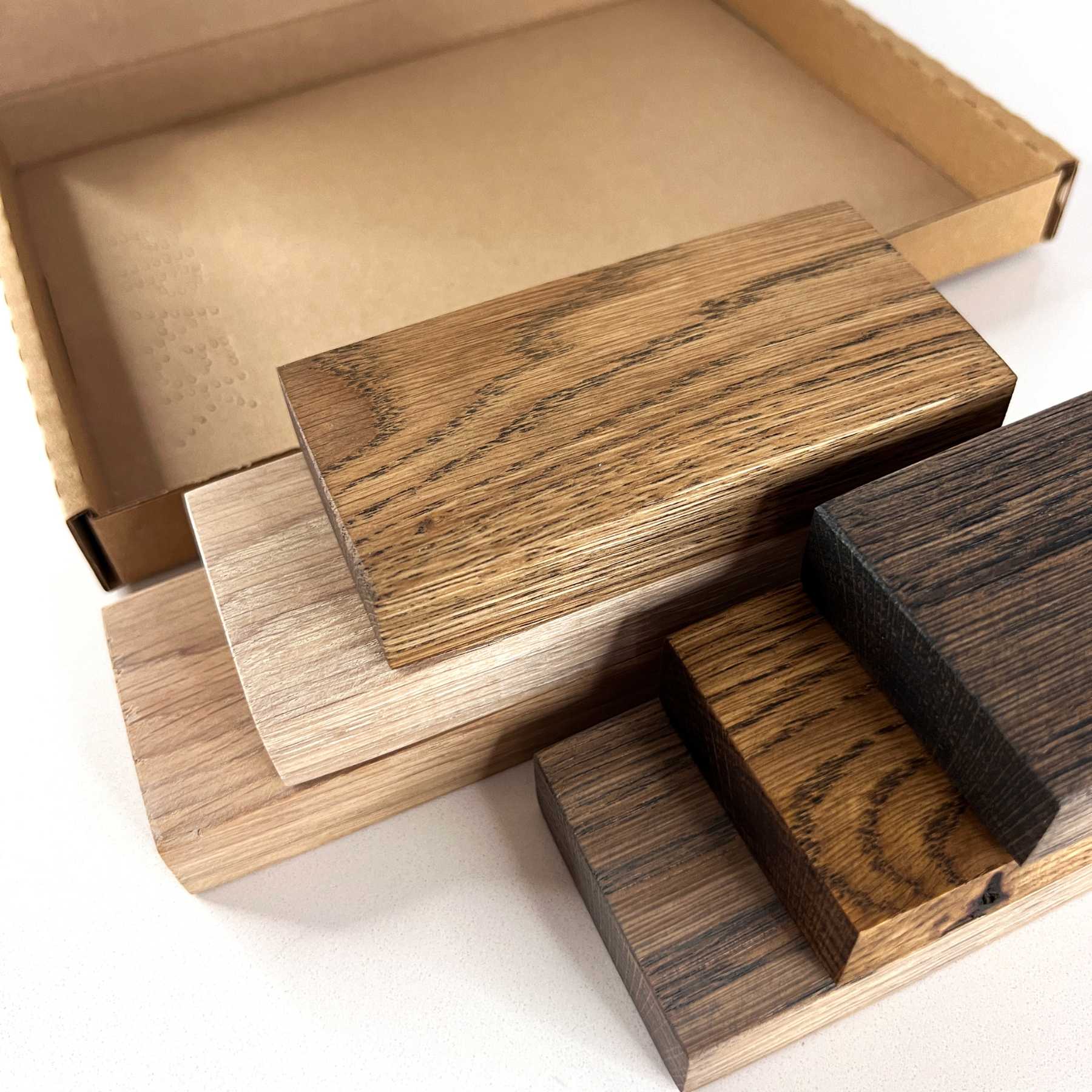
With a handcrafted table, the cost reflects skilled labour, quality timber, made-to-order production and a more personal process. There is time involved in preparing the wood, building the piece, finishing it by hand and checking every detail before it leaves the workshop. If the maker offers sample packs, guidance on sizing or direct communication about your space, that support is part of the value too.
Mass-produced furniture can look cheaper at first glance because it spreads manufacturing costs across large volumes. Bespoke cannot do that. What it can do is avoid many of the hidden costs of poor furniture - replacing it early, living with the wrong size, or settling for something that never feels quite right.
For many customers, the better question is not simply whether bespoke costs more. It is whether the difference in quality and fit matters enough in their home to justify the spend.
How to decide if bespoke is worth it for your home
Start with the room, not the table. Measure properly, including the space needed to pull chairs out and move around with ease. Think about how many people you seat most days, not only at Christmas. Consider the style of the rest of the home and whether you want the table to blend quietly or make more of a statement.
Then think about use. Will this be the centre of daily family life? Do you want solid timber because you love the character of natural wood, or because you need something resilient and repairable? Are you buying for the next few years, or for the next couple of decades?
It is also worth asking what compromises have frustrated you before. If you have already bought furniture that was nearly right but never truly worked, bespoke is often the answer to a pattern rather than a whim.
A good maker should help with those questions rather than push a one-size-fits-all solution. That guidance is part of what makes the process reassuring. At Willen Rose, for example, the appeal of bespoke is not simply that a table can be made to your measurements. It is that the finished piece is built around real homes, real family life and the sort of quality people want to live with for years.
So, are bespoke tables worth it?
If you want the cheapest way to fill a room, probably not. If you want a table that fits your home properly, feels honest in its materials and is built to hold everyday life for years, they often are.
The best bespoke tables do more than solve a sizing problem. They settle into the rhythm of the house, gather memories with use and grow better with age. If that is what you want from your furniture, the value tends to become clearer every time you sit down at it.