



A Practical Guide to Hallway Storage at Home
The hallway is where home life gathers pace. Coats are shrugged off, shoes are kicked aside, post lands on the nearest surface and bags wait by the door for tomorrow morning. A considered guide to hallway storage begins with that reality: this is not simply a passage between rooms, but one of the hardest-working spaces in the house.
The right furniture can make even a narrow entrance feel calmer and more welcoming. Rather than trying to hide every last thing, the aim is to give daily essentials a proper place, while leaving enough visual breathing room for the hall to feel like an invitation home.
Start with how your hallway is really used
Before choosing a console table, bench or cupboard, stand at the front door and take stock of what collects there in an ordinary week. A family hallway may need space for school bags, muddy boots, dog leads and a pile of coats. A quieter household may be better served by somewhere to put keys, sort post and sit while taking off shoes.
This honest assessment prevents a common mistake: buying a handsome piece of furniture that is too shallow, too small or simply not suited to the items that need storing. Storage should earn its place. If umbrellas always drip by the door, allow for a tray or a tall vessel. If shoes create the clutter, look for a bench with room below or a purpose-built shoe cabinet rather than another basket that soon overflows.
It is also worth noticing how people move through the space. Measure the narrowest point of the hall, then allow enough room to pass comfortably when doors, drawers or cupboard fronts are open. In most homes, a deep sideboard belongs in a generous entrance, while a slimmer console, wall shelf or bench is the better choice for a tighter run.
A guide to hallway storage by layout
There is no single perfect arrangement. The strongest solution depends on the width of the space, the position of radiators and doors, and whether the hallway needs to work as a boot room as well as an entrance.
For a narrow hallway
Keep furniture shallow and purposeful. A slim solid wood console table provides a landing place for keys and post without crowding the route through the house. Choose drawers if small items tend to disappear into a jumble, or an open lower shelf if baskets are more useful for gloves, scarves and reusable bags.
A bench can work beautifully in a narrow hall, but only where there is sufficient clearance. A simple oak bench with space beneath for a few pairs of everyday shoes offers a practical seat and keeps the floor looking more ordered. Avoid filling every wall. One well-made piece has more presence, and more usefulness, than several small storage units competing for room.
Use the wall height too. A row of sturdy hooks above the bench keeps coats off chair backs and makes it easier for children to reach their own things. Position them thoughtfully so damp outerwear does not brush against artwork or painted walls.
For a wider entrance
A larger hall has the luxury of choice, but it can still become cluttered if the furniture has no clear purpose. A substantial sideboard or cupboard can hold shoes, bags, paperwork and seasonal accessories behind closed doors, leaving the top free for a lamp, a bowl for keys and a vase of foliage.
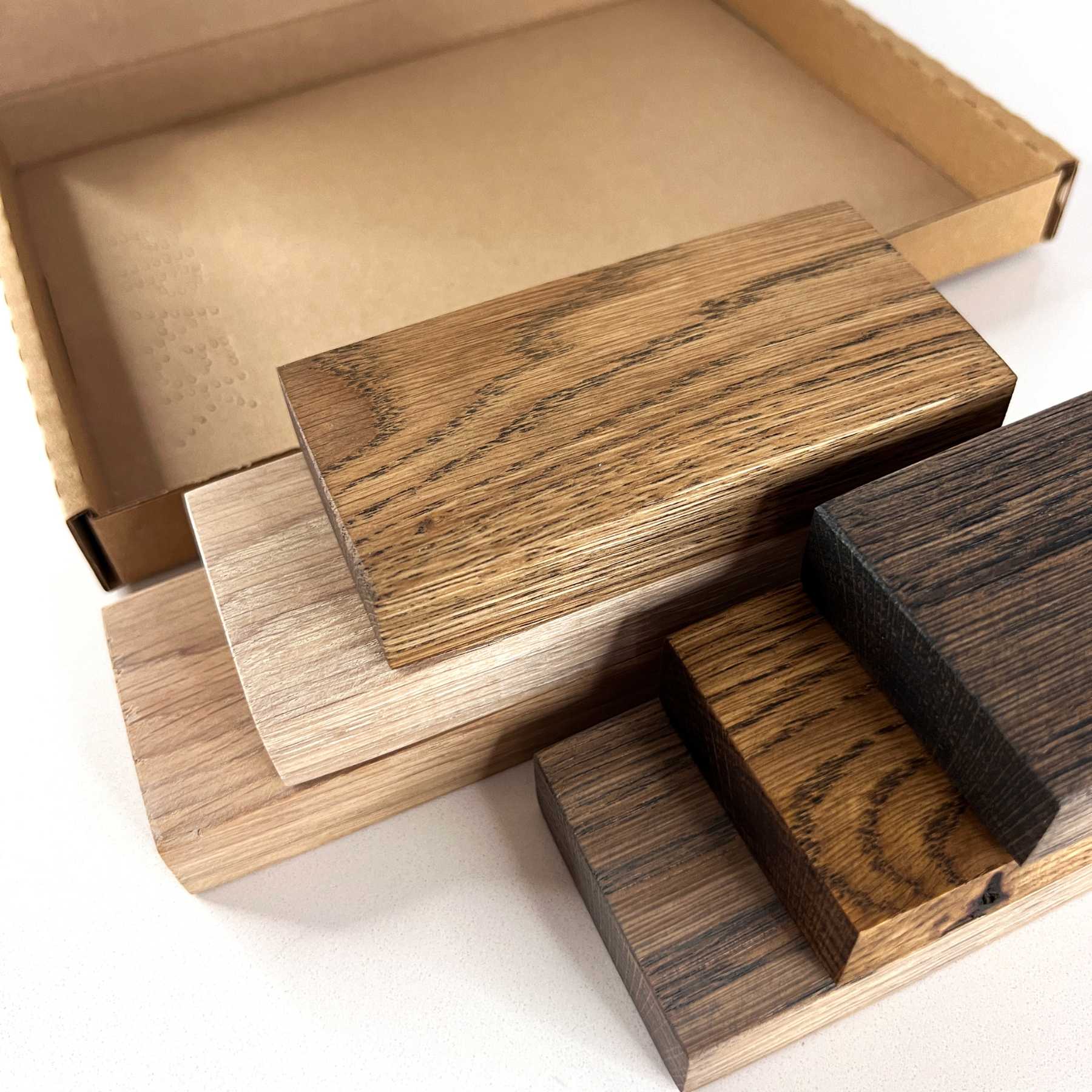
This is where solid wood comes into its own. A generously proportioned oak storage piece gives the entrance a settled, lived-in character and stands up to the knocks that come with busy family life. Natural grain, knots and variation make it feel at home rather than overly formal, particularly alongside stone floors, painted panelling or a warm runner.
If the room allows, pair closed storage with a bench. The cupboard handles the practical clutter; the bench gives people a place to pause. It is a simple combination that feels generous when guests arrive and genuinely useful on a wet Tuesday morning.
For an open-plan entrance
Where the front door opens directly into a living area, storage has an additional job: it needs to create a sense of arrival without making the room feel like a corridor. A console table behind the door line can gently define the zone, while a low cabinet offers hidden storage with a quieter visual profile.
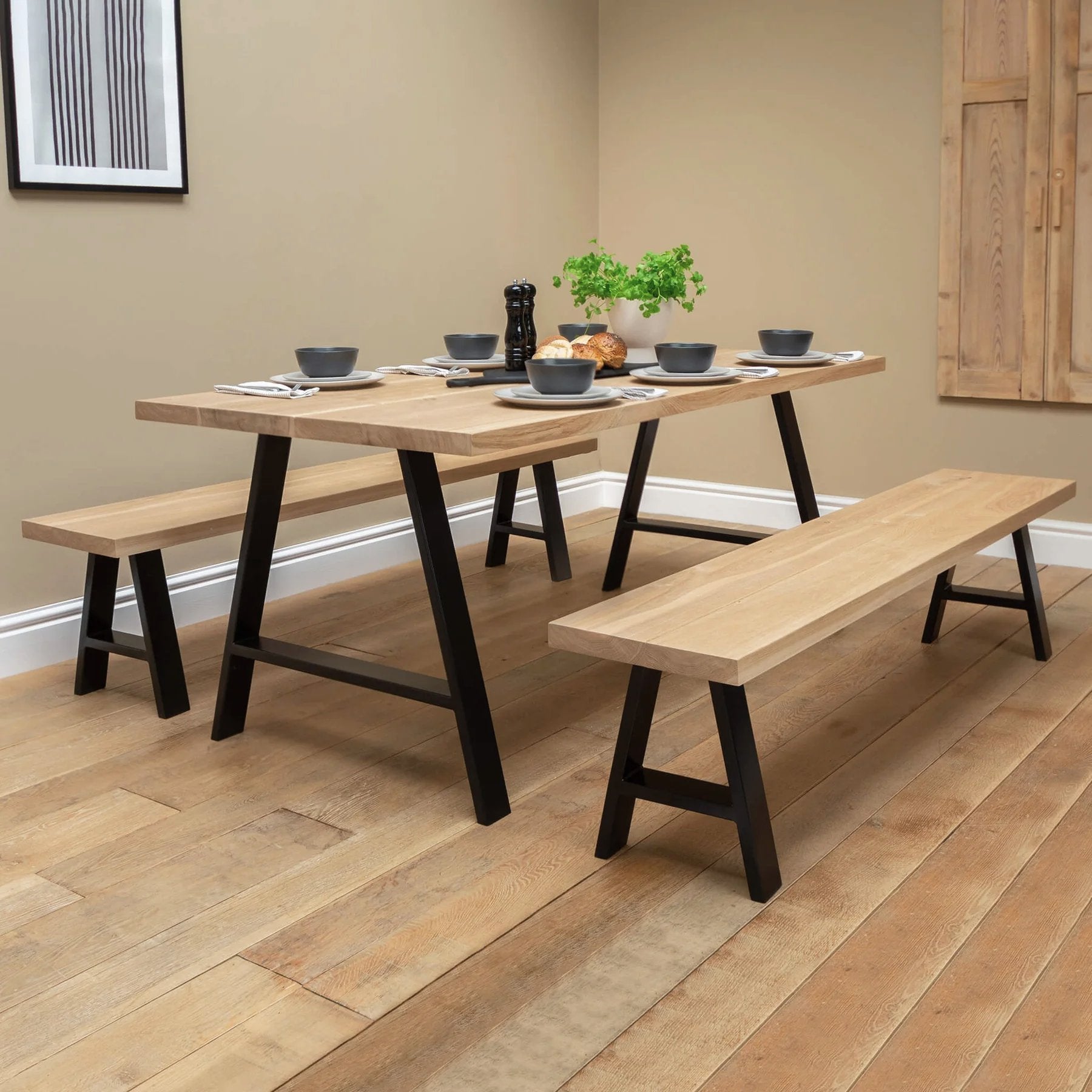
Choose materials that belong with the rest of the room. Rustic oak brings warmth to softer, traditional interiors, while reclaimed timber and dark metal detailing suit an industrial scheme. In an open space, the hallway furniture is always on view, so it is worth choosing something with the character and craftsmanship to be seen every day.
Choose open and closed storage with care
Open storage is easy to use. Hooks, shelves and baskets encourage everyone to put things away quickly, which is especially helpful for coats, hats and the shoes worn most often. The trade-off is that open storage asks you to stay disciplined. If your household has a habit of dropping everything at the door, it can soon look busy.
Closed storage creates a more peaceful first impression. Cupboards and drawers conceal the visual noise of chargers, paperwork, spare shoes and dog-walking essentials. They do, however, need to be sized for what you own. A shallow drawer is ideal for keys and post, but not for bulky winter scarves. A shoe cupboard can be excellent for trainers and flats, yet may not suit tall boots.
For many homes, a mix works best: hooks for the coats being worn this week, a drawer for the smaller essentials and a cupboard or basket for everything that need not be on display. The goal is not a showroom-perfect entrance. It is a hallway that can be reset in a minute or two before the day begins again.
Invest in pieces that stand up to daily life
Hallway furniture receives more punishment than its quiet appearance suggests. Bags are dropped, boots knock against legs, wet coats brush past surfaces and children lean on benches while getting ready. Lightweight furniture can shift, chip or loosen under that routine.
A well-built solid wood piece has the reassuring weight and strength to cope with it. Oak is particularly well suited to an entrance because it is durable, naturally handsome and forgiving of everyday use. Small marks often become part of its story rather than a reason to replace it. With simple care, quality timber develops a richer character over the years.
Made-to-order furniture is particularly worthwhile when standard dimensions leave an awkward gap or take too much room from a narrow hall. A bench cut to the right length, a console made at a useful depth, or a cupboard designed around a radiator can turn a frustrating space into one that works properly. At Willen Rose, each piece is lovingly made in Derbyshire with this long view in mind: furniture should fit the home and stay useful as family life changes.
Make the entrance feel welcoming, not overfilled
Storage is practical, but the hallway should still feel like part of your home. Warm timber, a mirror and gentle lighting can make a compact entrance feel brighter and more considered. A mirror is useful for a final check before leaving, while also reflecting light into halls that have little natural daylight.
Keep the surface of a console table restrained. A small lamp, a dish for keys and one personal object are often enough. The point is not to decorate every inch, but to let the furniture and materials speak for themselves. If you have children, give them a lower hook or named basket so tidiness is easier to maintain rather than something constantly enforced.
Think seasonally as well. In summer, heavy coats and piles of boots can be moved elsewhere, allowing the hall to feel lighter. In winter, bring the practical items forward and make room for umbrellas, hats and gloves. Good storage adapts to the rhythm of the year instead of insisting the household adapts to it.
A hallway works best when it anticipates the little moments of daily life: somewhere to sit, somewhere to set things down and somewhere for the inevitable clutter to disappear. Choose fewer, better-made pieces, size them carefully, and your entrance will feel ready for both the everyday rush and the pleasure of coming home.