



A Practical Guide to Oak Bed Frames

A bed frame earns its keep every single day. It needs to feel right in the room, support you properly at night, and still look good years down the line. That is why a guide to oak bed frames should start with more than style alone. The best choice sits at the meeting point of craftsmanship, proportion, material quality and the way you actually live at home.
Oak has long been a favourite in British homes because it brings warmth without fuss. It has character in the grain, real weight in the room, and a lasting quality that cheaper imitations struggle to match. When you are choosing a bed frame for a permanent home rather than a short-term fix, oak makes sense both practically and aesthetically.
Why oak bed frames remain a strong choice
An oak bed frame has a steadiness to it that is hard to fake. Solid oak offers strength, durability and a natural beauty that tends to improve with age rather than wear out. Small marks and gentle changes in tone often add to its charm, especially in homes where furniture is meant to be lived with, not merely looked at.
That said, not every oak bed is made in the same way. Some are built from solid timber throughout. Others use a mix of oak and veneered panels. Veneer is not automatically poor quality, but it is a different proposition. If you are looking for a bed that can be repaired, refinished and passed on, solid wood usually offers more long-term value.
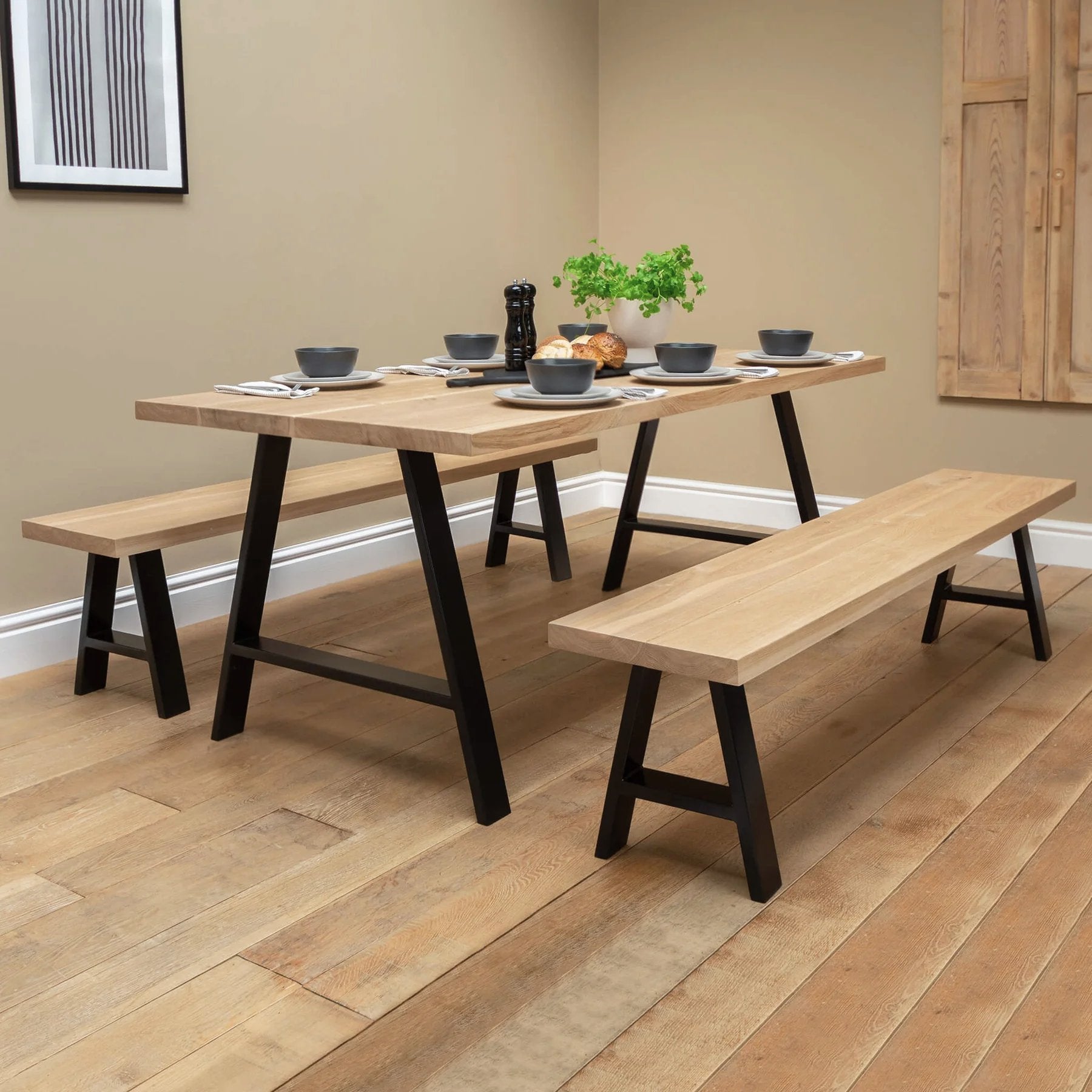
Oak also suits a wide range of interiors. In a farmhouse setting, its knots and grain bring softness and authenticity. In a more contemporary room, cleaner lines and a smoother finish can make it feel calm and pared back. For industrial schemes, oak works particularly well alongside black metal details or darker finishes.
A guide to oak bed frames by timber and build quality
The first thing to look at is the construction, because this tells you far more than a polished product photograph ever will. A well-made oak bed frame should feel solid in every sense - not only heavy, but thoughtfully joined and properly balanced.
Traditional joinery matters here. Strong corner joints, well-fitted side rails and a dependable slat system all contribute to how the bed performs over time. If a frame is poorly made, it often shows up first in creaks, movement and loosening around the fixings. A good bed should feel quiet and steady.
It is also worth asking what “oak” really means in the product description. European oak is often prized for its strength and attractive grain, while rustic oak may include more natural variation, knots and colour shifts. Neither is better in every case. It depends whether you want a cleaner, more refined look or something with a little more texture and individuality.
Finish is another important detail. Oiled oak tends to enhance the grain and give a more natural, tactile appearance. Lacquered finishes offer added surface protection and can be easier for some households, especially where furniture sees harder everyday use. The trade-off is that lacquer can sometimes feel slightly less natural to the touch.
Getting the size right for your room
One of the most common mistakes is choosing a bed by mattress size alone. A king-size mattress may fit your needs, but the overall footprint of the bed frame can vary significantly depending on the design. Deep headboards, chunky posts and wide rails all take up extra space.
Measure the room with the full bed dimensions in mind, not just the sleeping area. You should still be able to move comfortably around the sides and foot of the bed, open wardrobes and drawers, and place bedside tables where they are actually useful. In smaller bedrooms, a simpler oak frame with slimmer proportions can feel more generous than a larger, heavier design.
If your room has awkward alcoves, sloping ceilings or limited access on the stairs, made-to-order sizing becomes particularly valuable. Bespoke dimensions can be the difference between a bed that merely fits and one that feels properly at home in the space. For many homeowners, that flexibility is one of the strongest arguments for choosing handcrafted furniture over mass-produced stock sizes.
Choosing a style that will last beyond trends
A bed frame is not a piece you want to tire of in two years. Oak helps because it has a timeless quality, but the design still deserves careful thought.
Shaker-style oak bed frames are a reliable choice if you prefer understated, honest design. They sit comfortably in both traditional and modern homes and allow the timber to do the talking. Panelled headboards can bring a little more presence and are often well suited to period homes or country interiors.
For a bolder look, oak paired with metal can create a striking industrial feel. This works best when the balance is right. Too much metal can make a room feel cold, while oak keeps the look grounded and warm. If your bedroom already has strong textures such as exposed brick, painted floorboards or darker wall colours, this combination can work beautifully.
Low, minimal bed frames can suit more contemporary spaces, but there is a practical point to consider. Lower beds can make a room feel open and modern, yet they are not always the easiest to get in and out of every day. If comfort and ease matter just as much as appearance, a slightly higher frame is often the better long-term choice.
Storage, practicality and family life
A beautiful bed still has to work hard. For many homes, especially where bedroom storage is limited, that means thinking about what sits beneath it.
An oak bed frame with underbed clearance can be useful if you prefer baskets or storage boxes tucked neatly away. Ottoman storage gives you more capacity, though the mechanism needs to be well made if it is going to stand up to regular use. Drawer storage is another option, but only if the room allows enough clearance to open the drawers fully.
This is where lifestyle comes into the decision. If you like the calm look of open floor space, a clean-frame design may be best. If the bedroom needs to absorb spare bedding, seasonal clothes or children’s overflow, built-in storage can earn its place very quickly.
There is also the question of maintenance. Oak is a practical timber, but a frame with too many tight corners, heavy carvings or awkward recesses can be more fiddly to clean. Simpler forms tend to age more gracefully and fit more easily into everyday routines.
What to look for before you buy
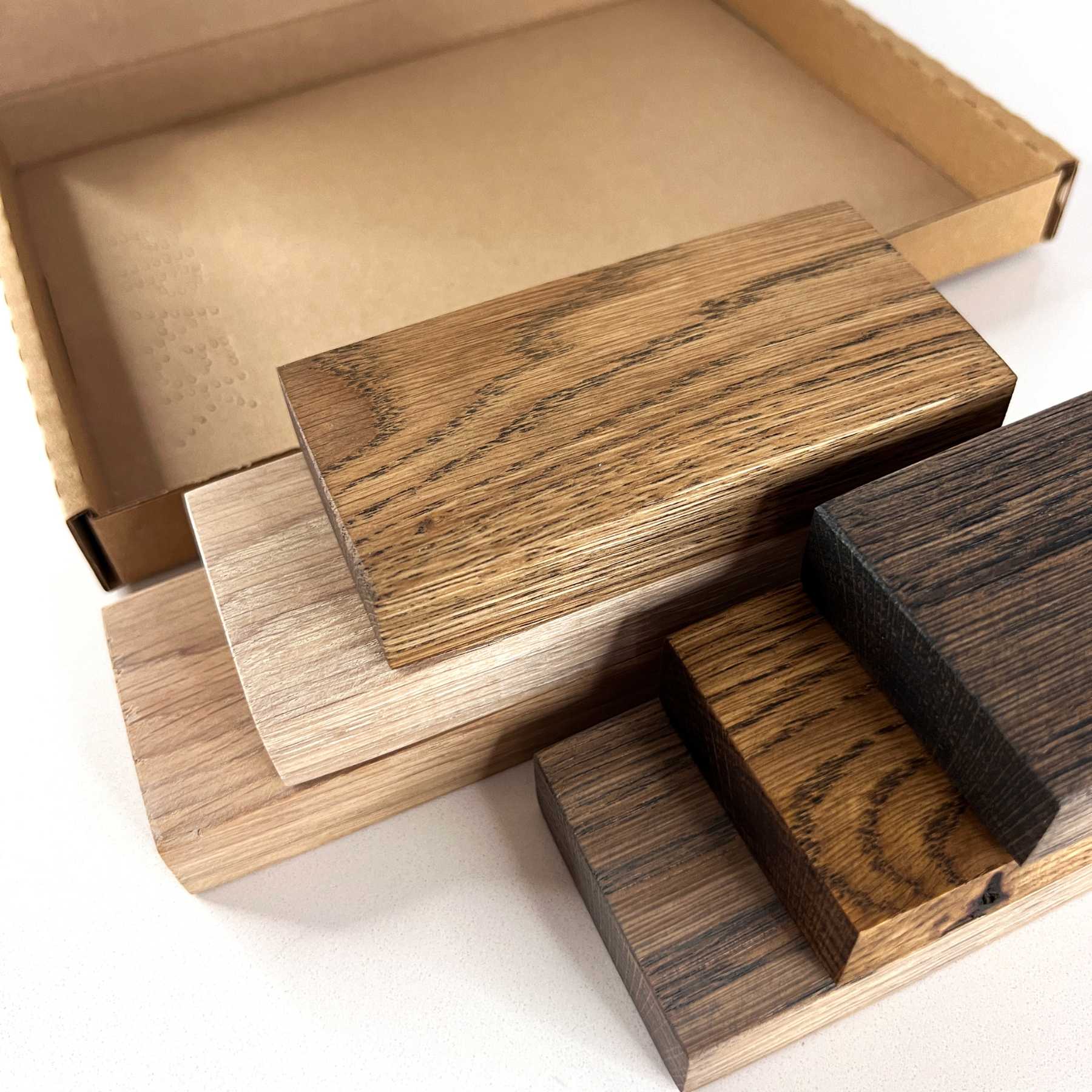
A good guide to oak bed frames should help you look past surface appeal. Ask how the frame is made, what timber is used, whether the slats are included, and how the finish is applied. If the maker offers samples, that can be especially helpful, because oak can look very different depending on the cut, stain and light in your room.
Delivery details matter too. Solid wood furniture is substantial, and a well-made oak bed frame is not something to squeeze casually through a narrow landing. Check access carefully and make sure the practical side of getting it into the house has been considered.
It is also worth paying attention to who is making the furniture. A direct relationship with the workshop or maker often gives you more clarity on sizing, finish and lead times. It also tends to mean better aftercare if you have questions later on. For customers who want a bed made around their home rather than forced into generic dimensions, that personal guidance can make the whole process feel more certain.
At Willen Rose, that craft-led approach matters because a bed is never just another piece of furniture. It is part of daily family life, a place of rest, and one of the largest visual anchors in the bedroom.
Is an oak bed frame worth the investment?
If you are furnishing a first home on a tight budget, oak can feel like a larger upfront commitment. There is no point pretending otherwise. But value is not only about the purchase price. It is about how the bed performs, how long it lasts, and whether it still feels right after years of use.
A cheaply made bed frame often becomes expensive in a different way. It may need replacing sooner, offer poorer support, or simply never feel as solid and settled as it should. By contrast, a well-crafted oak bed frame brings a sense of permanence. It becomes part of the home rather than a stopgap within it.
The right bed should feel dependable when you sit on the edge of it at the end of a long day. It should suit the room properly, reflect your style without shouting for attention, and stand up to the rhythms of ordinary life. Choose with care, and oak rewards that decision quietly for years.