



8 Handmade Furniture Benefits Worth Knowing

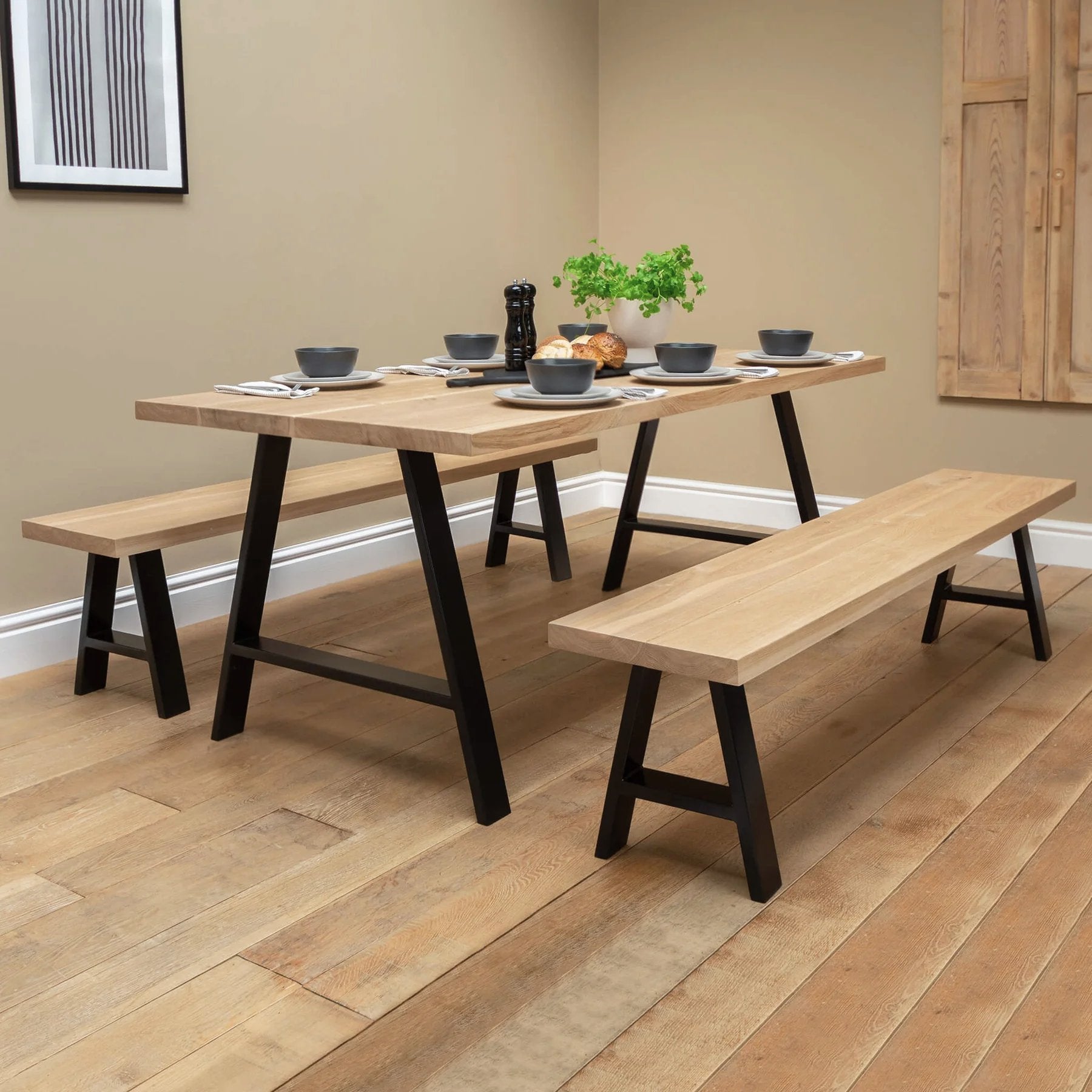
A dining table takes more of family life than most pieces in the house. It hosts rushed breakfasts, Sunday lunches, homework, celebrations and the odd coffee ring that nobody notices until later. That is exactly why handmade furniture benefits matter. When a piece is built with care, proper materials and real use in mind, it does more than fill a room - it becomes part of how a home works.
For homeowners choosing furniture for the long term, the difference between handmade and mass-produced is rarely just about appearance. It is about fit, feel, longevity and confidence in what you are bringing into your home. A well-made solid wood table, bed or storage piece can change the way a room feels day to day, not because it shouts for attention, but because it quietly does its job beautifully for years.
Why handmade furniture benefits go beyond looks
Good furniture should look right in a room, but looks alone are not enough. One of the biggest advantages of handmade furniture is that it is built around substance as well as style. Solid timber, thoughtful joinery and a maker's eye for proportion create pieces with a weight and character that factory-made furniture often struggles to match.
There is also a difference you notice through use. Drawers should glide properly. Tabletops should feel sturdy under your hands. Beds should feel dependable rather than flimsy. These are small things until you live with them every day. Then they become the difference between a purchase that still feels satisfying in ten years and one that needs replacing far sooner than expected.
Handmade pieces also tend to age with more grace. Natural wood develops character over time, and that is part of its appeal. A few marks from real family life often add to the story rather than ruin the piece, especially when the furniture has been made from quality timber that can be maintained and refreshed.
1. Built to last, not just to sell
Durability is usually the first of the handmade furniture benefits people mention, and with good reason. Solid wood construction is fundamentally different from furniture made from thin veneers, chipboard or lightweight composite materials. It has strength, stability and repair potential.
That does not mean every handmade piece is automatically superior. Craft matters as much as material. A well-built oak dining table with proper support and sound joinery should cope with years of daily use. By contrast, a poorly made item, however attractive, may still let you down. The value lies in skilled making as much as in the timber itself.
For buyers furnishing a forever home, this matters. Paying more upfront can make sense if the furniture stays useful and handsome for decades. The cost per year often looks very different when compared with replacing lower-quality pieces every few years.
2. Bespoke sizing suits real homes
Most homes do not fit standard showroom dimensions perfectly. Alcoves vary, dining rooms can be awkward, and open-plan spaces often need furniture that helps define how the room is used. One of the most practical handmade furniture benefits is the ability to tailor dimensions to suit the space you actually have.
This is especially helpful with dining tables, benches and storage. A table that is twenty centimetres shorter can transform circulation around a room. A made-to-measure bench can tuck neatly beneath a table. A bedside table built to the right height can make the whole bedroom feel more considered.
Bespoke does not have to mean complicated or extravagant. Sometimes it simply means getting the width, finish or leg style right so the furniture feels settled in your home rather than squeezed into it. For many households, that level of choice removes the compromise that comes with off-the-shelf buying.
3. Better materials, with character you can see
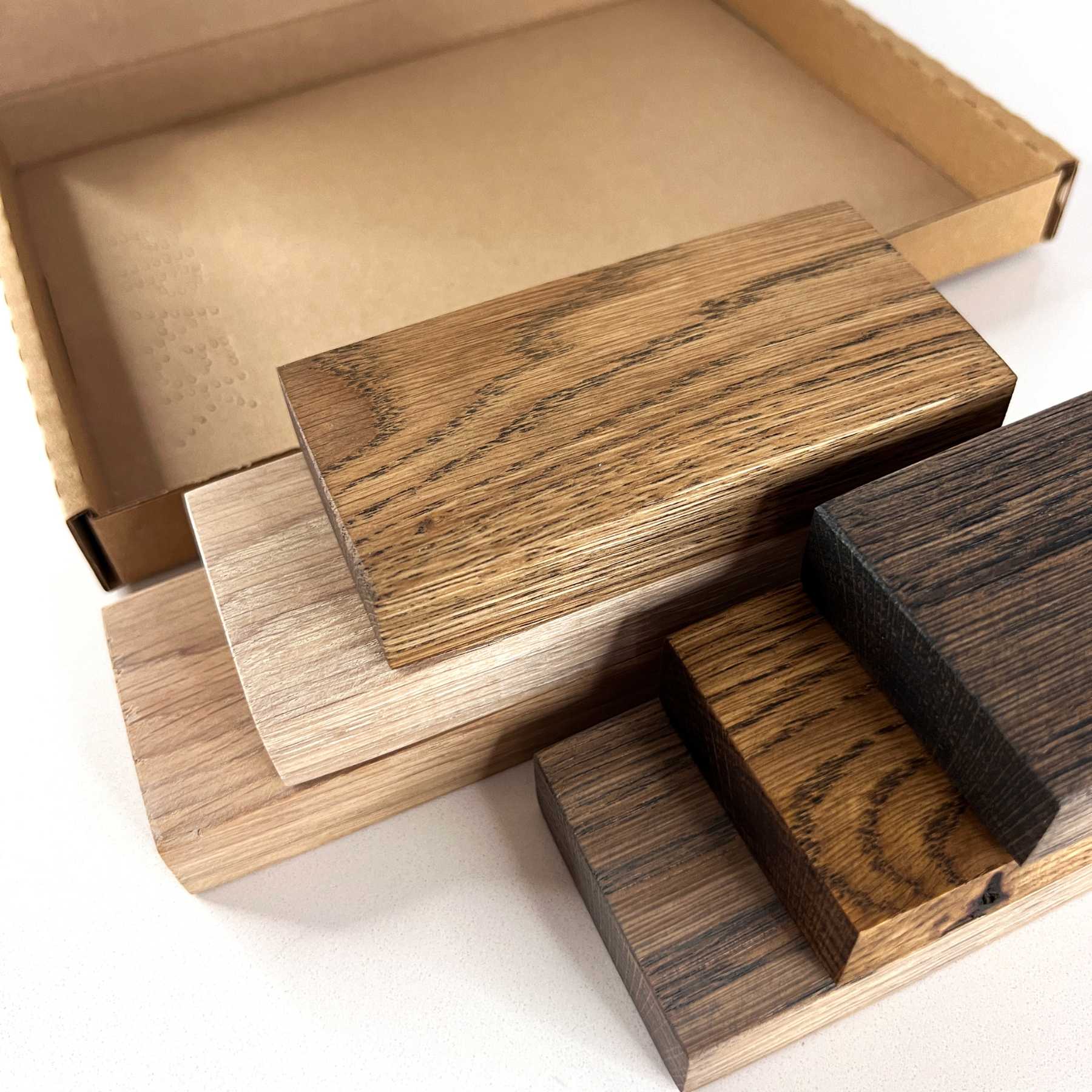
Mass production tends to favour uniformity. Handmade furniture often celebrates the opposite. In solid oak, reclaimed timber and other natural woods, the grain, knots and tonal variation are part of the beauty. They give a piece warmth and individuality that printed finishes cannot convincingly recreate.
This is not only about appearance. Better materials tend to feel better too. A solid wood top has depth, texture and a reassuring weight. Metal frames, when properly made, add strength and contrast without making the piece feel cold. The overall result is furniture with presence.
There is a trade-off here worth acknowledging. Natural materials are not perfectly uniform, and that is precisely why many people love them. If someone wants every surface to look identical and untouched, handmade timber furniture may feel too characterful. But for homeowners drawn to authenticity, those natural details are often the point.
4. Timeless design ages well
Furniture is expensive to get wrong. Trends come and go, but large pieces such as tables, beds and storage units need to earn their place for the long term. One of the quieter handmade furniture benefits is that handcrafted design often has more restraint. It focuses on balance, material and proportion rather than novelty.
That makes a real difference over time. A simple solid wood dining table with clean lines can sit comfortably in a farmhouse kitchen, a period home or a more contemporary interior. Likewise, an industrial-style coffee table made with honest materials can feel distinctive without becoming dated too quickly.
Timeless does not mean plain. It means thoughtful enough to live with through changing paint colours, new flooring or a house move. Well-made furniture should adapt with your home rather than dictate it.
5. More sustainable than disposable buying
Sustainability can be overused as a selling point, but in furniture it is a practical question. How long will this piece last, and what happens when fashions shift or something needs attention? Handmade furniture often offers a better answer because it is built for longevity, not quick turnover.
Choosing durable solid timber from responsible sources can reduce waste over time, especially when compared with repeatedly replacing lower-cost furniture. Made-to-order production can also help avoid the overstock and excess associated with mass manufacturing.
Of course, sustainability depends on the maker, the materials and the transport involved. Local or British-made furniture may appeal not just because of provenance, but because customers can feel closer to how and where the piece was made. That connection often encourages more careful buying - fewer impulse purchases, more considered investment.
6. A more personal buying experience
There is reassurance in speaking to people who understand how furniture is made. Whether you are choosing between finishes, checking dimensions or wondering which table shape will suit family life best, direct contact with a knowledgeable maker can remove a lot of uncertainty.
This is one of the handmade furniture benefits that people appreciate most once they begin the process. Instead of trying to decode flat product descriptions, you can ask practical questions and get informed answers. That might mean requesting samples, discussing a bespoke size or checking delivery access before ordering.
It is a very different experience from buying something anonymous from a warehouse shelf. For a significant purchase, that matters. Furniture should feel considered before it arrives, not like a gamble.
7. Furniture with emotional value
A handmade piece often becomes more meaningful with use. A table chosen for a new kitchen, a bed made for a first family home, or a bench designed to fit a particular nook gathers memories as the years pass. That emotional value is hard to measure, but it is real.
The reason is simple. Handmade furniture tends to feel more intentional. It is not there just to solve a short-term need. It has been chosen, sometimes specified, and made with a particular home in mind. That creates a stronger sense of ownership and attachment.
For families, this can be one of the strongest reasons to invest. The furniture in a home is not just background. It shapes routines, celebrations and everyday comfort. Pieces that are crafted to last often become part of family life in a deeper way than temporary furniture ever does.
8. Repairable, maintainable and worth caring for
One of the less discussed handmade furniture benefits is that quality furniture is usually worth maintaining. Solid wood can often be re-oiled, refinished or lightly repaired. Scratches and surface wear do not always mean the end of the piece. In many cases, they can be improved with straightforward care.
That changes the relationship people have with their furniture. Instead of viewing wear as failure, it becomes part of ownership. A piece that can be refreshed after years of use has a very different future from one that must be discarded the moment it shows age.
This is especially valuable in busy homes with children, pets or frequent guests. Perfection rarely lasts, nor should it need to. The better question is whether the furniture can keep serving your home well and still look good doing it.
Is handmade furniture always the right choice?
Not always. If you need something very quickly, made-to-order furniture may not suit your timescale. If budget is the main deciding factor, handmade pieces can cost more initially. And if you are furnishing a short-term rental or temporary home, investing in bespoke solid wood may not make practical sense.
But for homeowners who care about quality, individuality and longevity, handmade furniture often proves its worth over time. It offers better fit, stronger materials and a level of thought that is difficult to mass-produce. That is why so many people choose to buy fewer pieces, but buy them better.
At Willen Rose, that belief sits at the heart of what handcrafted furniture should be - honest materials, careful making and pieces designed to be lived with properly. If a home is where memories are made, the furniture in it should be ready for the long haul.