



How to Choose a Metal Frame Coffee Table
A coffee table tends to earn its place the hard way. It holds mugs, feet, books, remote controls, the odd board game, and whatever the children bring into the sitting room that day. That is exactly why a metal frame coffee table appeals to so many homes - it offers structure, durability and a clear sense of style, without feeling fussy or fragile.
For many people, the attraction starts with the look. Clean steel lines paired with solid wood have an honesty about them that suits modern country homes, industrial interiors and relaxed family spaces alike. But the best choice is not just about appearance. Proportion, materials, finish and how you actually use the room all matter just as much.
Why a metal frame coffee table works so well
There is a reason this style has stayed popular rather than passing through as a trend. A metal frame gives a table visual definition. It can make a chunky timber top feel lighter, or bring a sharper edge to a softer, more lived-in room. If you love natural oak, reclaimed boards or warm rustic tones, metal often provides the balance that stops the piece feeling overly traditional.
It also earns its keep in practical terms. A well-made steel base offers stability and strength, especially in busy homes where furniture is used properly rather than admired from a distance. That said, not every metal frame coffee table is built in the same way. Hollow lightweight sections, thin finishes and poor joins can leave a table feeling less substantial than it looks. The appeal of this style comes from contrast, but the quality has to be there on both sides - the metalwork and the timber.
Start with the room, not the trend
A coffee table can look perfect in a photograph and still feel wrong in your home. The most reliable place to begin is with the scale of your seating area.
If the table is too large, it can make the room feel cramped and awkward to move through. Too small, and it looks apologetic, as though it has been borrowed from somewhere else. As a rule, the table should sit comfortably within reach of the sofa without dominating the space. You want enough surface area for everyday use, but still clear walking room around it.
Height matters too. Most people are happiest when the table sits close to sofa seat height, or slightly below. Higher can feel intrusive, while very low tables can look stylish but become less practical once you start living with them. If your sitting room is used for family evenings, drinks with friends and the everyday rhythm of home life, comfort should win over fashion every time.
Choosing the right shape
Shape changes how a room flows. A rectangular coffee table often suits longer sofas and gives the most generous surface area, which is useful in larger sitting rooms. It can anchor the space well, especially when paired with a strong metal base and a substantial timber top.
Square tables can work beautifully in more balanced seating layouts, such as a large corner sofa or two sofas facing one another. They create a grounded central point, though they need enough room around them to avoid feeling blocky.
Round and oval options are softer in feel. They are often a good choice where walkways are tight or where you want to take the edge off a room with lots of straight lines. Homes with young children may also appreciate fewer sharp corners. The trade-off is surface area - curved shapes can feel more relaxed, but sometimes offer less usable space than a rectangle of the same footprint.
Timber and metal should complement one another
The strongest versions of this style are all about balance. Metal does not need to feel cold, and timber does not need to feel heavy. Together, they should bring out the best in each other.
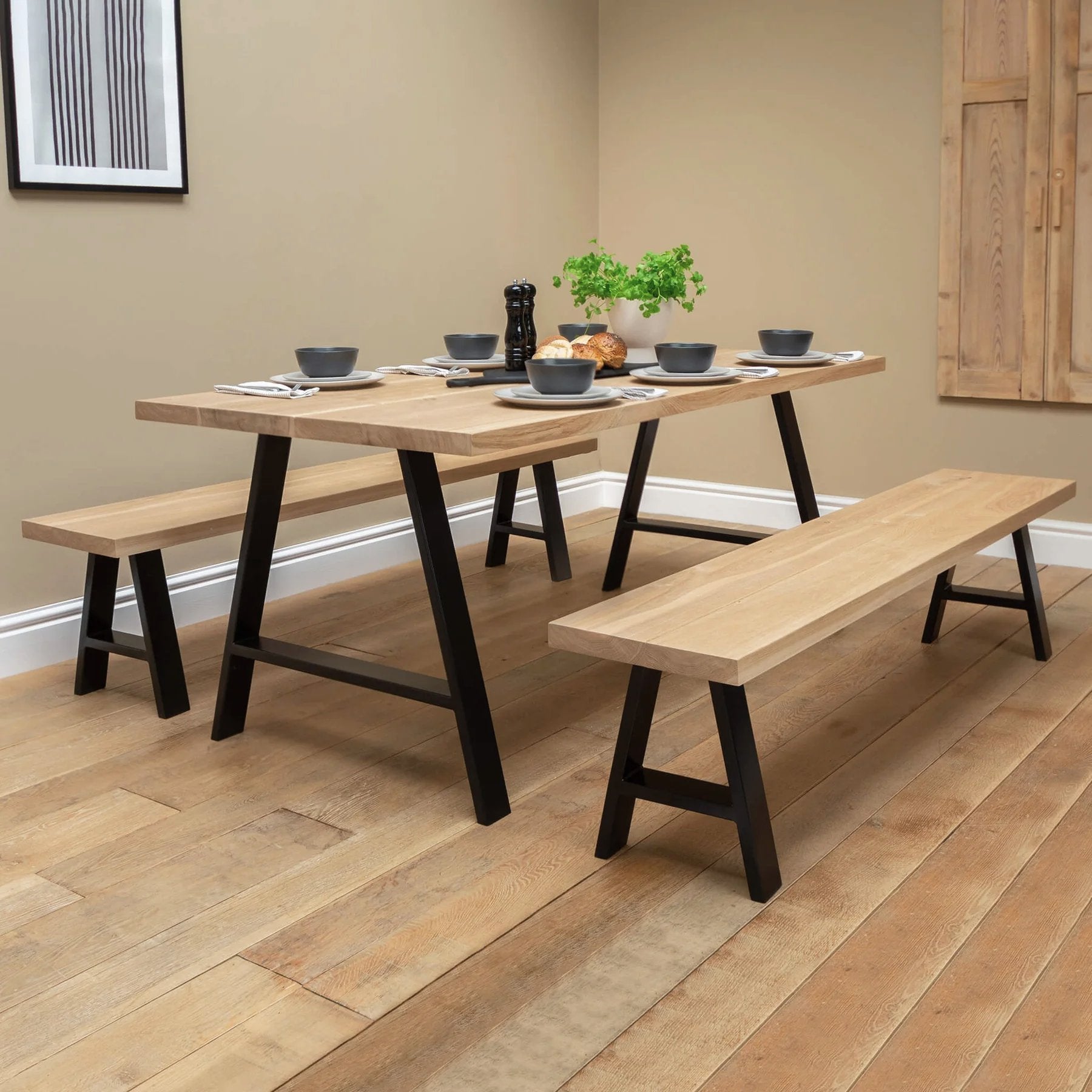
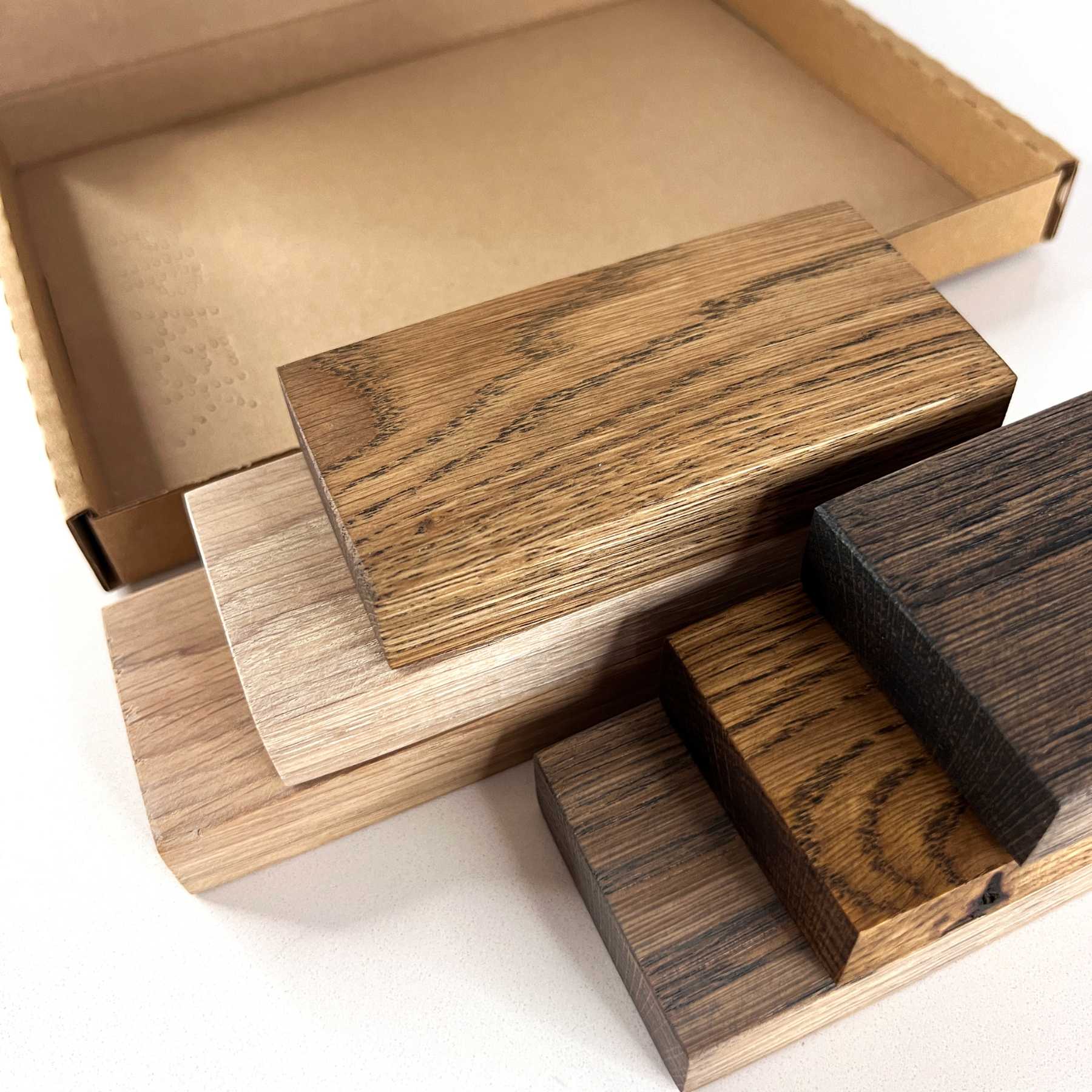
Oak is a natural favourite because it has warmth, grain and character without trying too hard. It works particularly well with black or dark grey metal, creating that familiar industrial look while still feeling at home in a family setting. Reclaimed timber offers even more texture and history, which suits older properties or interiors that lean rustic.
The finish of the metal frame makes a bigger difference than many buyers expect. A matt black frame feels classic and understated. Bare steel or brushed metal can feel more architectural. Powder-coated finishes are often a sensible choice for longevity, as they tend to cope better with daily wear than thinner painted surfaces.
The key is not to treat wood and metal as separate decisions. A pale, refined oak top with a very heavy dark frame creates a different mood from a deeply textured reclaimed top on slim steel legs. Neither is wrong, but one may suit your home far better than the other.
Storage, shelves and everyday living
Some coffee tables only need to look good and hold a cup of tea. Others need to work much harder. If you like a clear surface, built-in storage can make a real difference.
A lower shelf is one of the simplest and most useful additions to a metal frame coffee table. It gives books, baskets and magazines somewhere to live without asking for extra furniture elsewhere in the room. In practical family homes, this extra layer can help keep the sitting room feeling calmer.
That said, open storage is not for everyone. If you prefer a cleaner, more minimal look, a simple top with no shelf may feel better. The same goes for very compact rooms, where an open-frame design can keep the furniture looking lighter. It depends on whether you want the table to disappear visually or do more of the organisational work.
Bespoke sizing is often the difference
This is where many homeowners run into frustration with off-the-shelf furniture. Standard dimensions rarely account for the exact depth of your sofa, the width of your rug, or the way your room is actually laid out. A table might be nearly right, but nearly right can still feel off every day.
A handcrafted piece made to order allows you to adjust those details that matter most - length, width, height and sometimes even the proportions of the frame itself. In a permanent home, where you are investing in furniture to live with for years, that flexibility is worth serious thought.
For customers looking for something that feels properly settled in their home rather than simply slotted into it, this is often what sets British-made furniture apart. Workshops such as Willen Rose build around real rooms and real family life, not just a standard stock list.
What quality looks like up close
Photographs can tell you a great deal, but the small details often reveal the truth. A good coffee table should feel solid when touched, with no wobble in the frame and no sense that the top has been paired with the base as an afterthought.
Look at the thickness and character of the timber. Is it real solid wood with grain and variation, or something designed to imitate it? Consider how the joins have been handled, whether the finish feels durable, and whether the metalwork looks cleanly made rather than roughly assembled.
It is also worth thinking about how the piece will age. Solid wood develops character over time. Small marks from daily use tend to become part of its story rather than ruining it. Cheap veneered surfaces often do the opposite. With metal, a good finish should wear gracefully rather than chip at the first knock from a hoover or toy basket.
Matching the table to your style of home
Industrial style is the obvious partner for a metal frame coffee table, but it is not the only one. In country homes, the contrast of warm oak and dark steel can feel grounded and timeless rather than urban. In more contemporary interiors, slimmer profiles and refined finishes can create a cleaner, lighter look.
The trick is to echo what is already in the room. If you have black hardware, dark lighting or steel details elsewhere, a metal frame coffee table can tie the scheme together beautifully. If your space is softer and more traditional, choosing a warmer timber top and a simpler frame helps keep the overall feel inviting.
You do not need everything to match exactly. In fact, rooms often feel more natural when materials speak to each other rather than repeat. A good coffee table should look as though it belongs in your home, not as though it has arrived to make a statement at all costs.
A coffee table sits at the centre of ordinary moments - quiet cups of tea, family films, newspapers on a Sunday morning. Choose one with care, and it becomes more than a finishing touch. It becomes part of how the room lives.