



Solid Timber Bedroom Furniture Guide for Homes
A bedroom should feel settled, not temporary. It is where the day begins in a rush and ends when the house finally quietens down, so the furniture within it needs to do more than fill a space. This solid timber bedroom furniture guide is for homeowners choosing pieces they can live with for decades: furniture with real weight, character and the strength to stand up to family life.
Solid wood brings a warmth that painted board and veneered panels struggle to match. Grain catches the morning light differently every day, small marks become part of the story, and a well-made bed or chest of drawers can move with you through changing homes and changing needs.
Start with the bed, then plan the room around it
The bed is the natural anchor of any bedroom. Before falling for a particular style, measure the room carefully and think about how you use it. Allow enough room to walk comfortably around both sides of the bed, open drawers fully and make the bed without squeezing past a wardrobe.
For many UK homes, a king-size bed offers the best balance between sleeping space and proportion. In a more generous main bedroom, a super king can create a wonderfully restful focal point, provided it does not leave the rest of the room feeling pinched. A smaller bedroom may suit a double with a simpler frame, allowing the timber itself to provide the presence rather than oversized proportions.
The height of the bed matters too. A lower, contemporary frame can make a room feel more open, while a substantial oak bedstead brings reassuring solidity and suits farmhouse, rustic and traditional interiors beautifully. If you have high ceilings, a taller headboard can help the room feel considered rather than sparse. In a compact room, an open-under-bed design may create a lighter impression, although it will show what is stored beneath it.
Why choose solid timber bedroom furniture?
Solid timber is not simply a finish applied to a piece of furniture. It is the material running through it. That difference affects how it looks, feels, wears and can be repaired over time.
Oak is especially well suited to bedroom furniture. It has a distinctive grain, natural durability and enough visual character to make a simple design feel special. Its colour can range from pale honey tones to deeper, richer shades, depending on the timber selection and finish. Reclaimed timber offers even more variation, with knots, saw marks and a lived-in texture that feels immediately at home in relaxed, characterful spaces.
There is a practical case as well as an emotional one. A solid wood bedside table is less likely to wobble after a few years of use. A properly built chest of drawers can bear the daily opening, closing and overfilling that family homes demand. Should the surface pick up a scratch, it can often be gently repaired or refinished rather than discarded.
That said, solid timber is not entirely maintenance-free. Wood responds naturally to its surroundings. Central heating can dry it, while damp conditions may encourage movement. This is not a flaw but a characteristic of a natural material, and a skilled maker allows for it in the construction. Keeping furniture away from radiators, persistent damp and strong direct sunlight will help it age gracefully.
Choose a timber and finish that suit your home
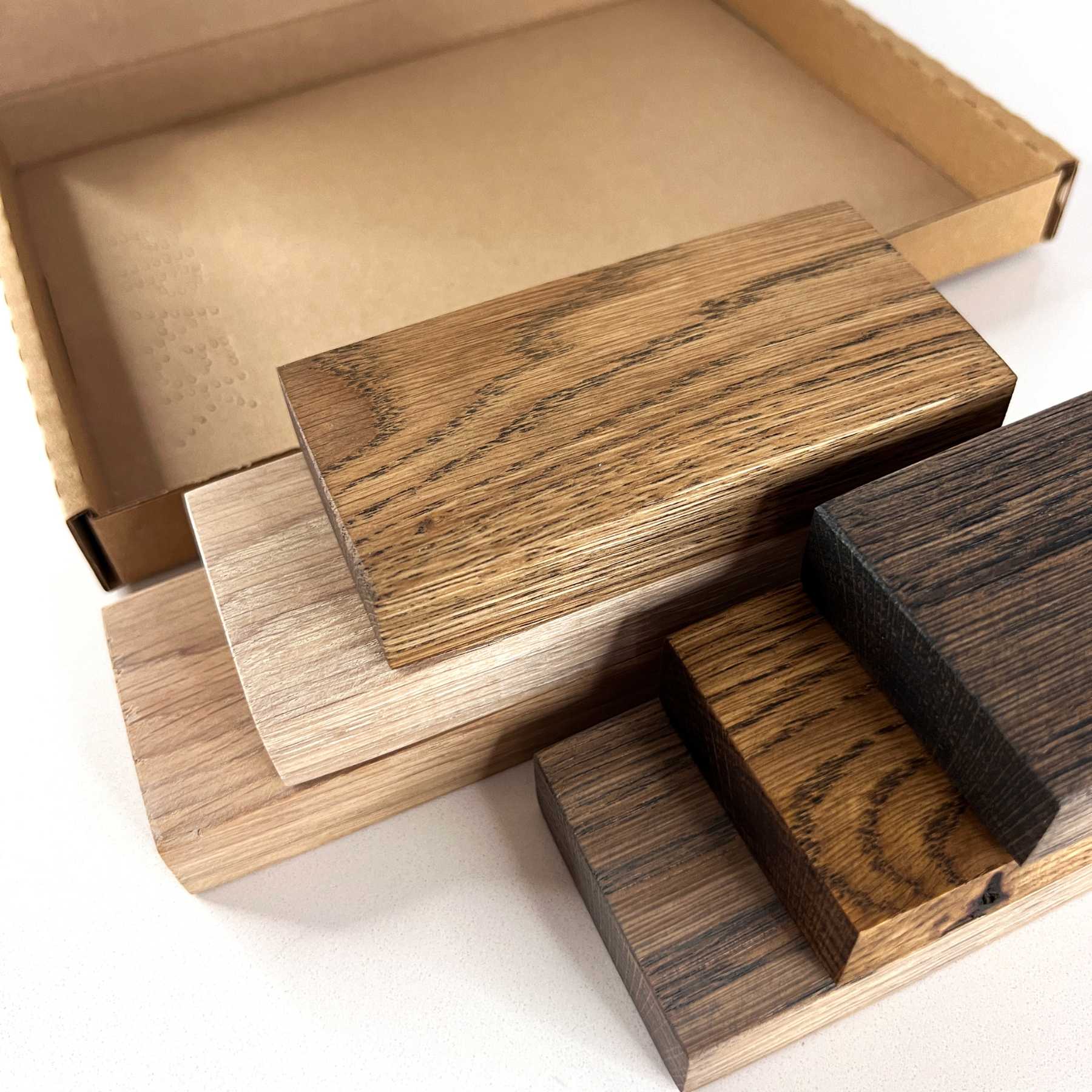
The right timber depends on the mood you want to create. Pale oak works particularly well in light, calm bedrooms, pairing naturally with linen, wool, soft whites and muted greens. A darker oil or stain can give oak more depth, making it a strong choice for rooms with heritage details, darker wall colours or industrial metal accents.
For a more rustic look, reclaimed wood offers texture that cannot be manufactured convincingly. It is full of variation, so it is best chosen by people who enjoy individuality rather than expecting every board to match. A reclaimed timber bed can look striking against plaster walls, exposed brick or soft neutral textiles, but in a very small or dark room it may feel visually heavy. Balance it with lighter bedding and walls if needed.
Finishes deserve close attention. An oiled finish tends to retain the tactile feel of the grain and is easy to refresh locally over the years. Lacquered finishes can offer more immediate protection and a smoother appearance, but may be less straightforward to spot-repair. Neither is automatically better. The best choice depends on the look you prefer, the amount of sunlight in the room and how much hands-on care you are happy to give the piece.
If you are ordering made-to-order furniture, seeing timber samples at home is invaluable. Daylight, paint colours and flooring can change how a wood tone appears. A sample placed beside your curtains and carpet will tell you far more than a photograph on a screen.
Buy storage for the way you actually live
Bedroom storage is often where a beautiful room becomes either peaceful or permanently cluttered. Think beyond a matching set and start with the contents that need a home. Bulky knitwear, bed linen and children’s clothes need deep drawers. Jewellery, documents or smaller essentials may call for shallower drawer divisions. A wardrobe must have enough hanging depth for coats and dresses, not merely enough width to look impressive.
A solid timber chest of drawers is one of the hardest-working pieces in the room. Look for drawers that run smoothly, feel substantial and are built to support their contents rather than just their fronts. Traditional joinery, such as dovetailed drawers, is worth valuing because it supports the areas that take the most strain.
Bedside tables should be practical at arm’s reach. Measure the height of your mattress, not just the bed frame, and aim for a surface that sits close to the same level. A drawer is useful for keeping chargers, books and reading glasses out of sight, while an open shelf can make a compact room feel less enclosed. Where space is tight, two smaller pieces may work better than wide units that crowd the bed.
Freestanding furniture offers flexibility if your needs change, but fitted storage can make excellent use of awkward alcoves and sloping ceilings. There is no single correct route. A carefully sized, handcrafted freestanding piece can give a bespoke result while remaining movable if you redecorate or relocate.
Pay attention to construction, not just appearance
Photographs can show colour and style, but they cannot tell you how a bed frame is joined or whether drawers will endure years of use. Ask how the furniture is made, what timber is used and whether the dimensions can be tailored to your room.
A good solid wood bed should feel firm and quiet, with secure corner joints and supportive slats. The headboard should be properly integrated into the frame rather than simply decorative. Storage furniture should have a sound back, stable base and doors or drawers that align cleanly. Natural knots and grain variation are part of timber’s appeal; splits, unstable joints and flimsy construction are not.
Made-to-order furniture is particularly valuable where standard sizes leave you with an awkward gap beside a chimney breast or a bed that overwhelms the room. A few centimetres can make the difference between furniture that merely fits and furniture that feels as though it belongs there. At Willen Rose, pieces are lovingly made in Derbyshire with that understanding in mind: the room, the timber and the people using it all matter.
Create a bedroom that will still feel right in ten years
Timber furniture lasts longest stylistically when the main pieces are chosen with restraint. A well-proportioned oak bed, chest and bedside tables can sit happily alongside changing paint colours, lamps, rugs and bedding. Let the furniture provide permanence, then use textiles and accessories to follow your tastes over time.
You do not need every item to match perfectly. In fact, a bedroom often feels more personal when the woods and finishes relate rather than duplicate each other. Pair a warm oak bed with painted wardrobes, or soften industrial metal details with a simple timber bedside table. The key is repetition: echo one or two tones, materials or shapes so the room feels intentional.
Keep care simple. Dust with a soft dry or lightly damp cloth, wipe spills promptly and avoid harsh chemical sprays. Use coasters for drinks, especially on bedside tables, and refresh an oiled surface when it begins to look dry. These small habits protect the finish without removing the honest character that makes solid wood worth choosing.
Choose the pieces that make you want to linger in the room: a bed that feels grounded, drawers that work without complaint and timber whose grain you notice when you switch off the lamp. That is how a bedroom becomes part of home life, not just another room furnished for now.