



Solid Wood Versus Veneer: What Lasts?
A dining table tells the truth quickly. Within a few months, you know whether it can cope with hot plates, homework, elbows, spills and the ordinary knocks of family life. That is why the question of solid wood versus veneer matters so much. On the shop floor, the two can look surprisingly similar. Years later, they often do not behave the same at all.
When people are choosing furniture for a home they plan to stay in, this is rarely just a question of price. It is a question of how a piece will age, whether it can be repaired, and whether it will still feel right after years of use. Some buyers hear “veneer” and assume poor quality. Others hear “solid wood” and assume perfection. The reality is more useful, and more nuanced, than either of those shortcuts.
Solid wood versus veneer: the real difference
Solid wood furniture is made from natural timber throughout the main structure or surface area, depending on the design. If you buy a solid oak table top, for instance, the top itself is made from oak boards joined together. It can be sanded, oiled, refinished and lived with for decades.
Veneer furniture uses a thin layer of real wood applied over a core material, often MDF, plywood or particleboard. That outer layer may still be genuine oak, walnut or ash, which is why veneer can look convincing at first glance. The difference lies beneath the surface. The visible grain is only a skin, and the longevity of the piece depends heavily on the quality of both the veneer and the substrate underneath.
That distinction affects almost everything that follows - from durability and repairability to weight, cost and how the furniture responds to changes in temperature and moisture.
How each material behaves in everyday life
In a busy home, furniture is rarely treated like a museum piece. Chairs get pulled in at an angle. Keys are dropped on sideboards. Children draw at the table. A bed frame has to stay quiet and sturdy night after night. Material choice matters because everyday life always leaves a mark.
Solid wood tends to wear in a way many people find honest and attractive. It may pick up dents, a slight patina, a softening of edges or subtle changes in tone as it ages. Those signs of use are part of what gives timber furniture its character. More importantly, solid wood can usually be restored. Surface scratches can be sanded back. Finishes can be refreshed. Small marks do not have to be permanent.
Veneer can perform well when it is properly made, especially in lower-impact settings such as cabinet panels or occasional furniture. But once a veneer surface is deeply chipped, bubbled by moisture or worn through, repair becomes more limited. You cannot keep sanding indefinitely because there is only a thin layer of timber to work with. A damaged veneer edge can also be difficult to disguise neatly.
This is often the turning point for buyers weighing cost against lifespan. Veneer may look smart on day one, but solid wood usually offers more forgiveness over the years.
Movement, moisture and the British home
Timber is a natural material, so it moves. Central heating in winter, open windows in summer and the general ebb and flow of moisture in a British home all affect wood to some degree. A well-made solid wood piece is designed with that movement in mind. Good makers allow for expansion and contraction through proper joinery, careful board selection and considered construction.
Veneer is often chosen partly because it can create a more uniform surface with less visible movement. In some applications, that can be useful. Large cabinet doors, for example, may benefit from the stability of a veneered panel. But if moisture gets into the wrong place or the adhesive bond fails, veneer can lift or ripple in a way that is far harder to put right.
So neither material is completely carefree. The difference is that solid timber is generally more repairable when life happens.
Appearance: where the gap can be small at first
It is only fair to say that good veneer can look beautiful. Because it uses real wood on the surface, it can show attractive grain and a refined finish. In a showroom, many people would struggle to tell the difference immediately, especially on cabinet sides or painted furniture with veneered internals.
But solid wood has a depth and variation that is difficult to imitate fully. Grain flows through the material rather than sitting on top of it. Edges, corners and undersides feel more authentic because the timber is continuous. Over time, that matters more. As the piece settles into the home and develops character, solid wood tends to look richer rather than more tired.
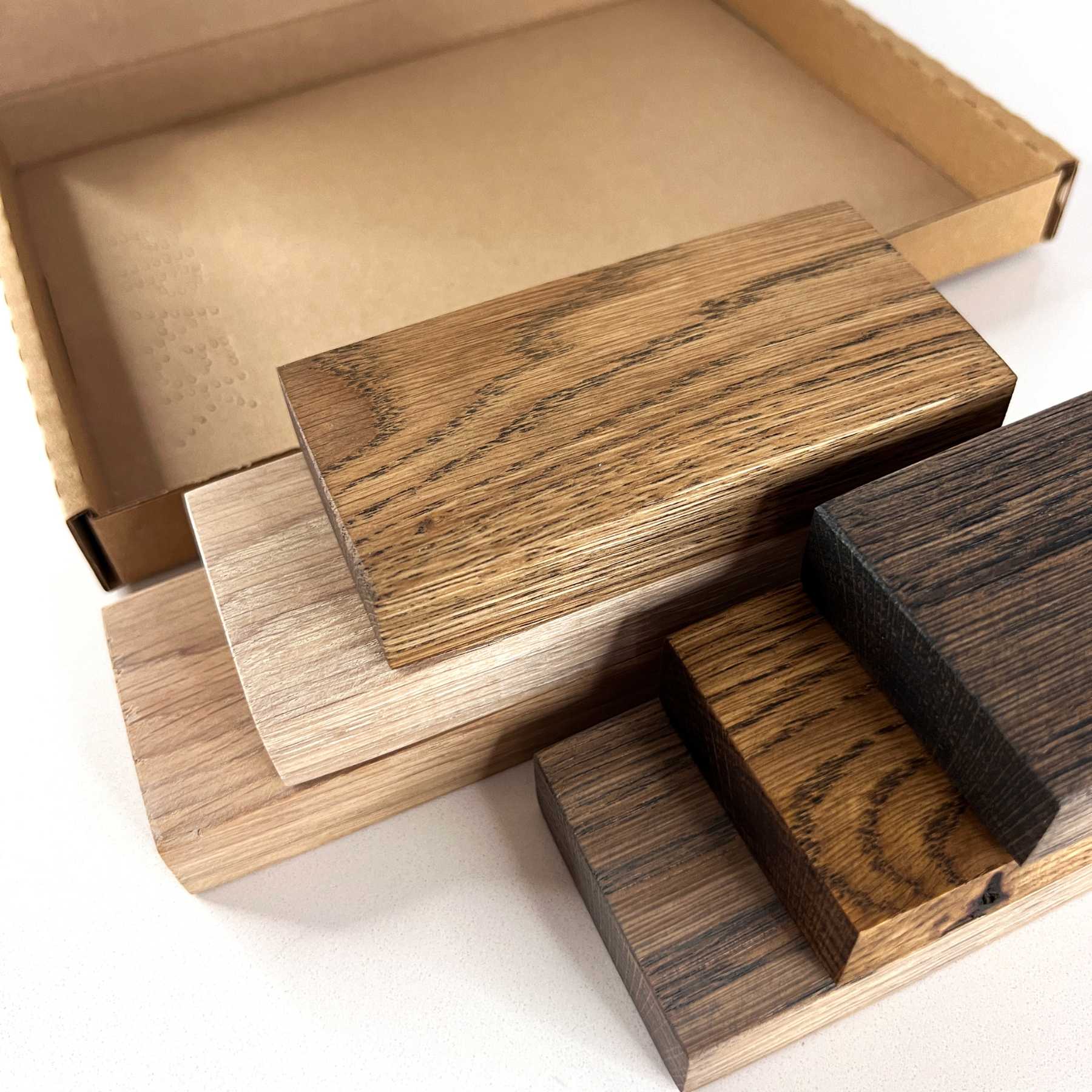
For customers drawn to handcrafted furniture, this is often the heart of the decision. Natural knots, medullary rays, colour shifts and subtle saw marks are not flaws to be hidden. They are part of the story of the material. A dining table or bed made from solid oak does not just mimic nature. It is nature, shaped with skill.
Cost: why veneer is cheaper, and when that matters
Veneer is often less expensive because it uses less hardwood. That can make it appealing when budget is tight or when furnishing a room that sees lighter use. If you need a decorative piece for a guest room or a sideboard that will mostly sit quietly against a wall, a well-made veneered item may do the job perfectly well.
But cost should be measured over time, not just at checkout. A lower upfront price can become less attractive if the piece cannot be refreshed, resized, refinished or repaired once wear appears. Furniture in the heart of the home tends to earn its keep slowly. A table used every day for ten or fifteen years often works out better value in solid wood than a cheaper alternative replaced far sooner.
For many homeowners, that is the real calculation. Not “Which is cheapest?” but “Which will still be right for this house in ten years?”
Repair, restoration and long-term value
One of the strongest arguments for solid wood is that it can be lived with properly. If a surface becomes marked after Christmas dinners, birthday parties and years of weekday meals, it can usually be restored rather than discarded. That makes solid timber especially suited to made-to-order furniture, where the intention is permanence rather than convenience.
Veneer has less margin for error. Light polishing and careful upkeep may keep it looking good for years, but deeper restoration is another matter. Once the top layer is compromised, there may be no simple route back.
This affects resale value too. Solid wood pieces often retain desirability because they can be repaired and refinished by future owners. They age into old furniture. Veneered pieces, depending on quality, can age into furniture that simply looks worn.
When veneer can still be the right choice
There is no sense pretending veneer never has a place. In some designs, it is a practical and sensible material. High-quality veneered cabinetry can offer clean lines, good stability and a polished appearance. It can also allow for visual consistency across wide surfaces where solid boards might show more movement or variation.
If the piece is well made, used carefully and suited to the room, veneer can serve well. The key is buying it with clear eyes. Veneer is best chosen because it suits the application, not because it is being mistaken for something else.
That is where disappointment often starts - when a buyer expects a veneered table to behave like a solid oak one for decades of heavy family use.
Which is better for a dining table, bed or storage piece?
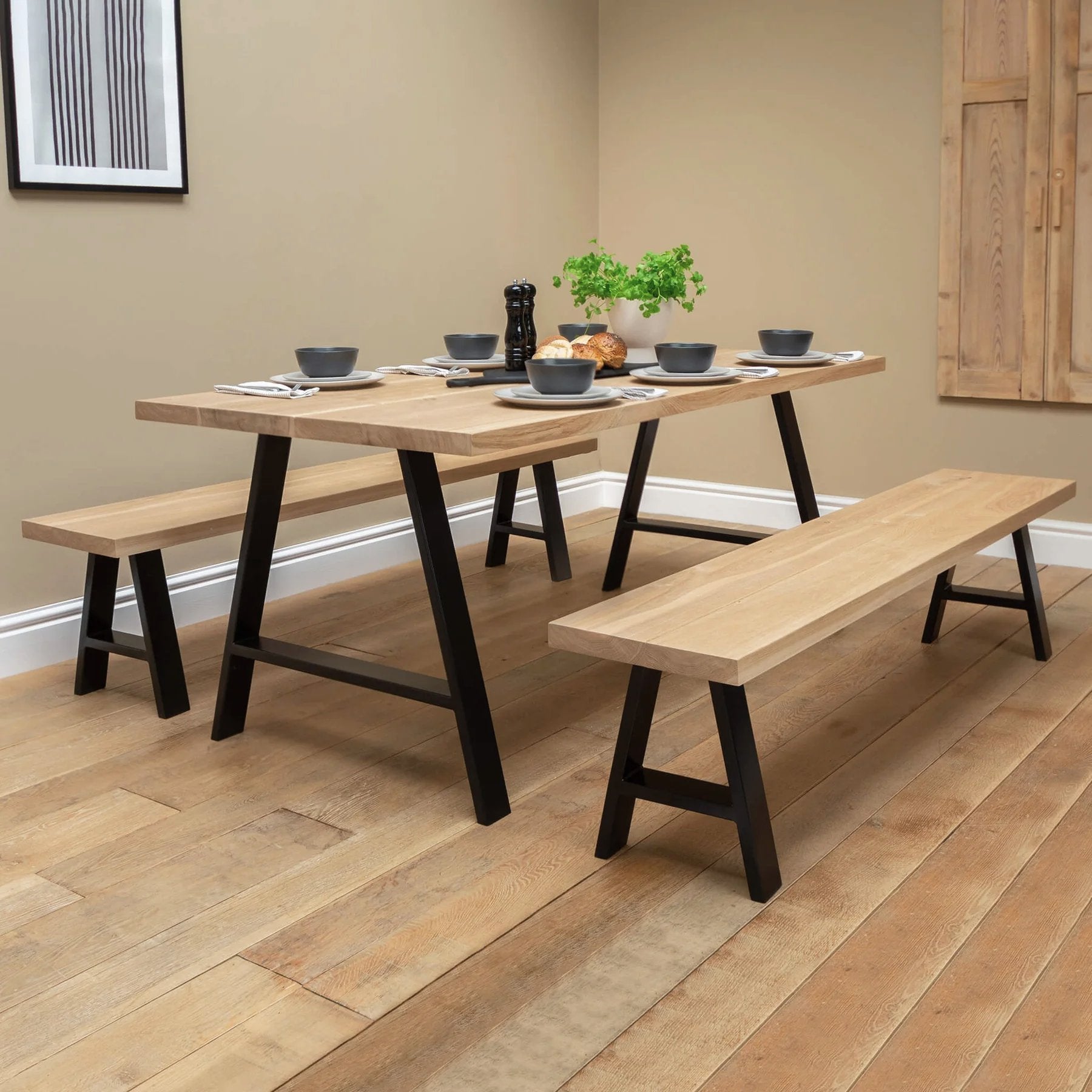
For a dining table, solid wood is usually the stronger choice. It handles regular use better, develops character and offers the possibility of future refinishing. In a room where people gather, eat, work and celebrate, that resilience counts.
For beds, solid wood also brings reassurance. A well-built timber frame has substance, warmth and longevity. It feels grounded in a way that suits a permanent bedroom rather than a short-term fix.
For storage furniture, it depends more on the design. Solid wood remains an excellent choice where durability, craftsmanship and visible grain are central to the piece. Veneer can be reasonable for certain panels or fitted-style looks, provided the construction is strong and the expectations are realistic.
At Willen Rose, that is one reason solid timber remains at the heart of so much made-to-order furniture. When a piece is built around family life, custom sizing and the idea of lasting for years, the material needs to be worthy of that promise.
What to ask before you buy
If you are standing in front of a piece and unsure what it really is, ask direct questions. Is the top solid timber or veneered board? Are the legs solid wood? What is the core material? Can the surface be sanded and refinished in future? How will it respond to everyday wear?
A trustworthy maker or retailer should answer plainly. If the wording is vague - “oak finish”, “wood effect”, “oak style” - that usually tells you something already. Clear materials deserve clear language.
The best furniture choices are rarely made by chasing the lowest price or the glossiest photo. They are made by matching the piece to the life it needs to support. If you want furniture with depth, repairability and the kind of presence that grows better with age, solid wood usually earns its place. If you choose veneer, choose it knowingly, for the right setting and with honest expectations. Your home will tell the difference soon enough.