



Bespoke Table Examples for a Home That Fits You
A dining table can look right in a showroom and still feel wrong once it is in your home. Perhaps it leaves too little room to pull out a chair, feels lost beneath a high ceiling, or simply cannot accommodate the people you want around it. These bespoke table examples show how choosing the right proportions, timber and base can turn a useful piece of furniture into the centre of family life.
A made-to-order table is not about adding detail for detail’s sake. It is about answering the practical questions first: who gathers here, how does the room work, and what should this table feel like after years of meals, homework, celebrations and ordinary weekday suppers?
Bespoke table examples for every kind of home
The best starting point is the room itself. Measure more than the space where the tabletop will sit. Think about chairs moving back, doors opening, sideboards, radiators and the natural route through the room. As a useful guide, allow around 90cm between the edge of the table and a wall or other furniture where possible. A little less can work in a compact kitchen, but it will change how easily the space is used.
A generous oak dining table for a busy family room
For a large dining room or open-plan kitchen, a substantial rectangular oak table is often the natural choice. A table around 220cm to 260cm long can comfortably seat eight, depending on chair width and whether guests are seated at the ends. It gives a growing family room to spread out without looking like a formal boardroom table.
A 40mm solid oak top brings visual weight and a reassuring sense of permanence. Pair it with a simple straight-edged profile and a traditional pedestal or sturdy wooden legs for a timeless look. This style suits homes where the table is in constant use - from breakfast bowls to Sunday roasts and the inevitable school project.
The trade-off is clear: a larger table needs space around it. If the room is generous, that breathing room makes the table feel settled rather than oversized. In a tighter space, consider an extending design or reduce the width before sacrificing comfortable walkways.
A slim farmhouse table for a kitchen diner
Not every bespoke table needs to be wide and imposing. In a long, narrower kitchen diner, a table made to a slimmer width of around 75cm to 85cm can be a far better fit than a standard 100cm-wide design. There is still room for place settings and serving dishes, while the room remains easy to move through.
A rustic oak top with softly eased edges works beautifully here. Its character marks, grain variation and warm colour bring life to painted cabinetry, flagstone floors or a modern shaker kitchen. A matching bench on one side can make the layout feel lighter, as it tucks neatly beneath the table when not in use.
This is a particularly practical choice for households that need flexibility. Benches are ideal for children, occasional extra guests and keeping a busy kitchen from feeling crowded. For longer meals, however, many people prefer chairs with backs, so a mix of bench seating and dining chairs often gives the best balance.
A round table that makes conversation easier
Round bespoke tables are a strong choice for square rooms, bay windows and spaces where there is no obvious head of the table. Everyone faces one another more naturally, which makes a round design particularly welcoming for relaxed dinners and smaller gatherings.
For four people, a diameter of around 110cm to 120cm is comfortable. A 140cm to 150cm round table can work well for six, provided the surrounding room allows chairs to move freely. A central pedestal base is worth considering because it removes the awkwardness of table legs and lets guests sit where they please.
The important detail is proportion. A round top that is too large can consume a room surprisingly quickly, while one that is too small may leave guests balancing serving bowls on the worktop. A maker can help you choose a diameter that supports the way you actually entertain, rather than a number that only works on paper.
An industrial table for an open-plan space
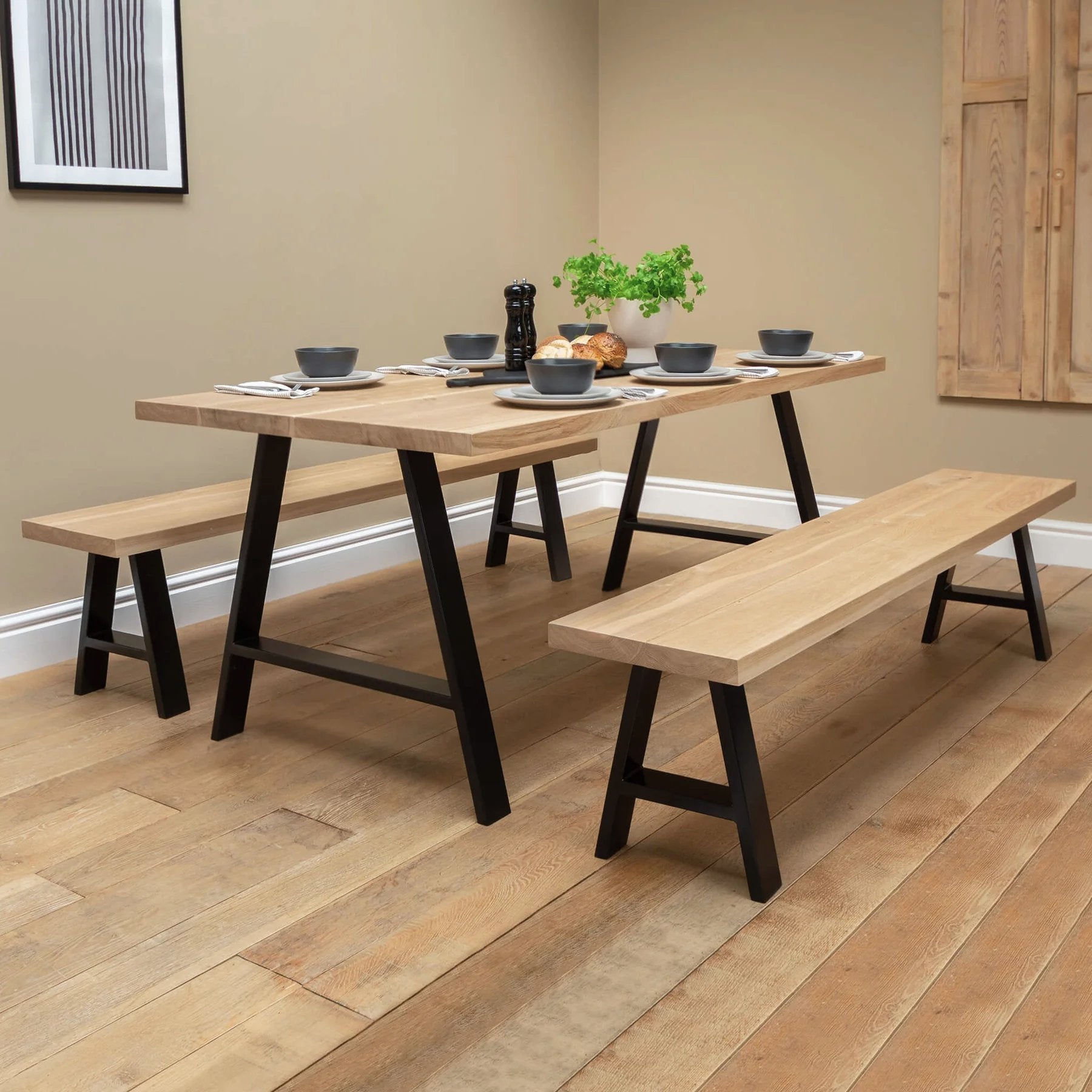
In loft-style rooms, converted barns or contemporary extensions, the contrast of natural timber and metal can create a table with real presence. A characterful oak or reclaimed timber top set on black steel box-section legs has an honest, architectural quality. It can hold its own alongside exposed brick, polished concrete or large glazed doors without making the room feel cold.
A live edge can add a more organic note, but it is not right for every interior. Its changing outline is a feature in itself and works best where there is room to appreciate it. For a cleaner, more tailored finish, a square or straight edge keeps the focus on the grain and gives a more contemporary line.
Metal-framed tables can be exceptionally stable, though the position of the legs matters. A dramatic X-frame or angled base may reduce where chairs can sit, particularly at the ends. If seating capacity is the priority, set-back metal legs or a central pedestal can provide a more forgiving arrangement.
A compact table designed around an awkward room
Alcoves, narrow cottages and rooms with chimney breasts are where bespoke furniture proves its value most clearly. A made-to-measure table can be shortened by a few centimetres, narrowed to protect a walkway, or designed with carefully placed legs to work alongside a fitted bench.
A small oval table is often an overlooked answer. It gives more usable surface than a round table of a similar footprint, yet its softened ends make it easier to pass in a confined room. It is a thoughtful option for a breakfast area or a dining corner that needs to serve everyday meals without dominating the house.
In smaller rooms, pale oak and a simple underframe can help retain a sense of light. That does not mean a compact table has to be delicate. Solid timber furniture can still be built with the strength needed for daily life, simply with proportions that respect the room.
Choosing the details that make a table yours
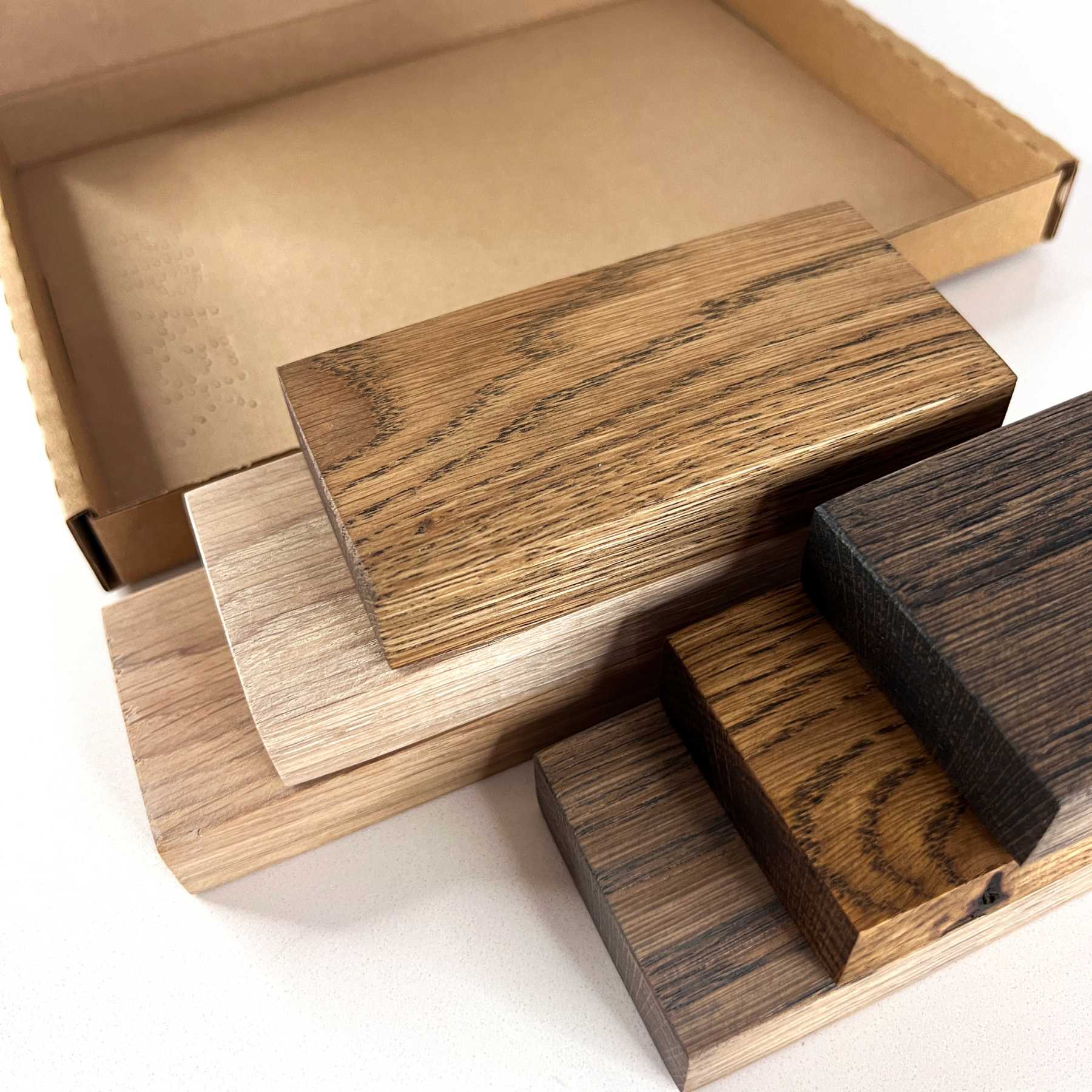
Once the size and shape are settled, the quieter decisions begin to matter. The timber determines much of the table’s character. Oak remains a favourite for good reason: it is hardwearing, full of grain and develops beautifully with use. Rustic oak has more knots, variation and natural features, while a cleaner grade offers a calmer, more uniform appearance.
Reclaimed timber carries its own history, often with nail holes, colour changes and a deeper weathered feel. It suits homes that welcome texture and imperfection. If you prefer a more refined finish, carefully selected solid oak still offers warmth without becoming overly rustic.
The base has just as much influence as the top. Traditional turned or square wooden legs feel familiar and enduring. Steel legs introduce an industrial edge. Pedestal bases make seating more flexible, while a trestle design lends a relaxed, farmhouse character. There is no universally best option - the right choice depends on the chair style, the number of seats required and the visual weight of the room.
Finishes deserve practical thought too. A clear protective finish allows the timber’s natural colour to lead, while a darker stain can add depth or tie the table to existing beams and flooring. For family homes, a finish that is easy to clean and maintain is usually more valuable than one that looks flawless only on day one. Real wood will gain small marks over time; that is part of a table becoming yours.
Planning a bespoke table with confidence
Before commissioning a table, use masking tape on the floor to mark its proposed footprint. Place chairs around it, then walk through the room as you normally would. It is a simple exercise, but it reveals far more than a measurement alone. Consider where platters will sit, whether a high chair needs room, and how many places are needed most weeks rather than only at Christmas.
It also helps to gather a few photographs of the room in different light. Daylight can make oak appear honey-toned, while evening lighting often brings out richer, warmer notes. Timber samples are especially useful when matching a table to flooring, kitchen cabinetry or existing furniture.
At Willen Rose, tables are lovingly made in Derbyshire with these everyday decisions in mind. The aim is not to force your home around a standard size, but to create a piece that belongs there from the start.
Choose the table that gives people a reason to linger. The right one will carry the practical demands of daily life quietly, while making room for the moments your family will remember.