



Dining Table Review for Busy Family Homes
A dining table earns its place slowly: through weekday breakfasts, homework spread across the surface, Sunday roasts and the extra chairs pulled close when everyone stays longer than planned. A useful dining table review should look beyond a polished photograph and ask the questions that matter after years of daily life. Is it made from real timber? Will the proportions suit the room? Can it handle the occasional spill, scrape and enthusiastic family gathering?
For a permanent home, a table is rarely a short-term purchase. It should feel right on the day it arrives, then become more characterful as the years pass. That is why solid wood, considered construction and made-to-order sizing are worth understanding before you choose.
Dining table review: what quality really looks like
The most obvious difference between a well-made dining table and a cheaper alternative is often the material. Solid oak has weight, depth and a natural grain that cannot be printed onto a manufactured board. Each plank carries its own markings, knots and variation in colour, which means no two tops are exactly alike.
This variation is not a flaw to be hidden. It is part of the appeal of timber furniture. A solid oak table brings warmth to a bright contemporary kitchen as naturally as it does to a farmhouse dining room. Reclaimed timber can offer a more weathered, rustic character, while a cleaner oak top with a simple edge feels calmer and more refined.
Be careful with descriptions such as “oak effect”, “oak finish” or even “oak veneer” if your priority is longevity. Veneer has its place and can look attractive, but it is a thin layer of timber over another core. It cannot be sanded back and renewed in the same way as a solid wood top. A table made from solid timber is designed to live with you, rather than remain untouched.
Quality is also found underneath the tabletop. Look for a sturdy frame, properly considered support and legs that feel in proportion to the top. The table should not wobble when leaned on or feel top-heavy at the ends. Traditional joinery, careful timber selection and a well-built base all make a difference to how confidently a table performs over time.
Natural movement is part of solid wood
Wood responds to its surroundings. Central heating, sunlight and changes in humidity can cause timber to expand and contract slightly through the seasons. This is entirely normal. A properly crafted table allows for that movement in its construction, rather than forcing boards into a rigid arrangement that may split or distort.
It is also worth embracing the fact that a solid wood table develops a lived-in finish. Small marks may appear, particularly in a home with children, but these often become part of its story. With the right finish and care, many surface marks can be softened, repaired or simply allowed to settle into the character of the timber.
Choose a size that works beyond the showroom
The right table size is not just about how many people can sit around it. It is about how comfortably the room works when chairs are occupied, the dishwasher is open, or someone needs to pass behind a diner with a serving dish.
As a general guide, allow around 60cm of table width per person. A 180cm table will usually seat six comfortably, while a 220cm or 240cm design gives six people more generous elbow room or makes space for eight. The best choice depends on the chairs, the shape of the room and whether you regularly host family and friends.
Leave approximately 90cm between the edge of the table and a wall or other furniture where possible. You can work with less in a compact room, but everyday movement will feel easier if chairs can be pulled back without turning dinner into a careful shuffle. In narrow spaces, a rectangular table often makes the most efficient use of the room. In a square room, a round or square design can create a more sociable feel.
Bespoke sizing is particularly valuable where a standard table is almost right but not quite. An extra 10cm can make a room feel crowded, while 10cm less may mean losing a useful seat. Measuring the floor with masking tape is a simple, honest test. Mark out the tabletop, then pull chairs into position and walk around it as you normally would.
Consider the base as closely as the top
A table’s base changes how many people can sit comfortably around it. Four corner legs are familiar and dependable, but they can restrict seating at the corners. A central pedestal gives more freedom for chairs, particularly on round tables. Industrial-style metal frames create a strong visual statement and offer excellent support, although their placement should leave enough room for knees and dining chairs.
Think about the chairs you already own, too. High arms, wide seats and deeply upholstered dining chairs need more space than a slim wooden chair. If you are ordering a table to suit a particular set of chairs, take their widest measurement and share it when discussing dimensions.
The finish should suit the way you live
A dining table does not need to be precious, but it does need sensible care. The right finish helps protect the timber while allowing its grain and warmth to show through. Oils tend to give a natural, tactile appearance and can be refreshed over time. Lacquered finishes create a more sealed protective layer and may suit households that want a lower-maintenance surface.
Neither option is automatically better. An oiled table asks for a little more regular attention, but offers the reassurance that it can be maintained locally. A lacquered finish is practical for busy homes, although damage may need more specialist attention depending on the depth of the mark.
Whatever finish you choose, use mats for hot pans, wipe spills promptly and avoid leaving wet glasses directly on the surface. Harsh sprays, bleach-based cleaners and abrasive pads are best kept away from real wood. A soft damp cloth followed by a dry one is usually all that is needed for daily cleaning.
Sunlight deserves a mention as well. Oak naturally mellows and deepens in tone with exposure to light. This gentle change is part of owning a natural material, but rotating table runners, decorative objects and placemats occasionally will help the top colour evenly.
Style matters, but it should not dictate every decision
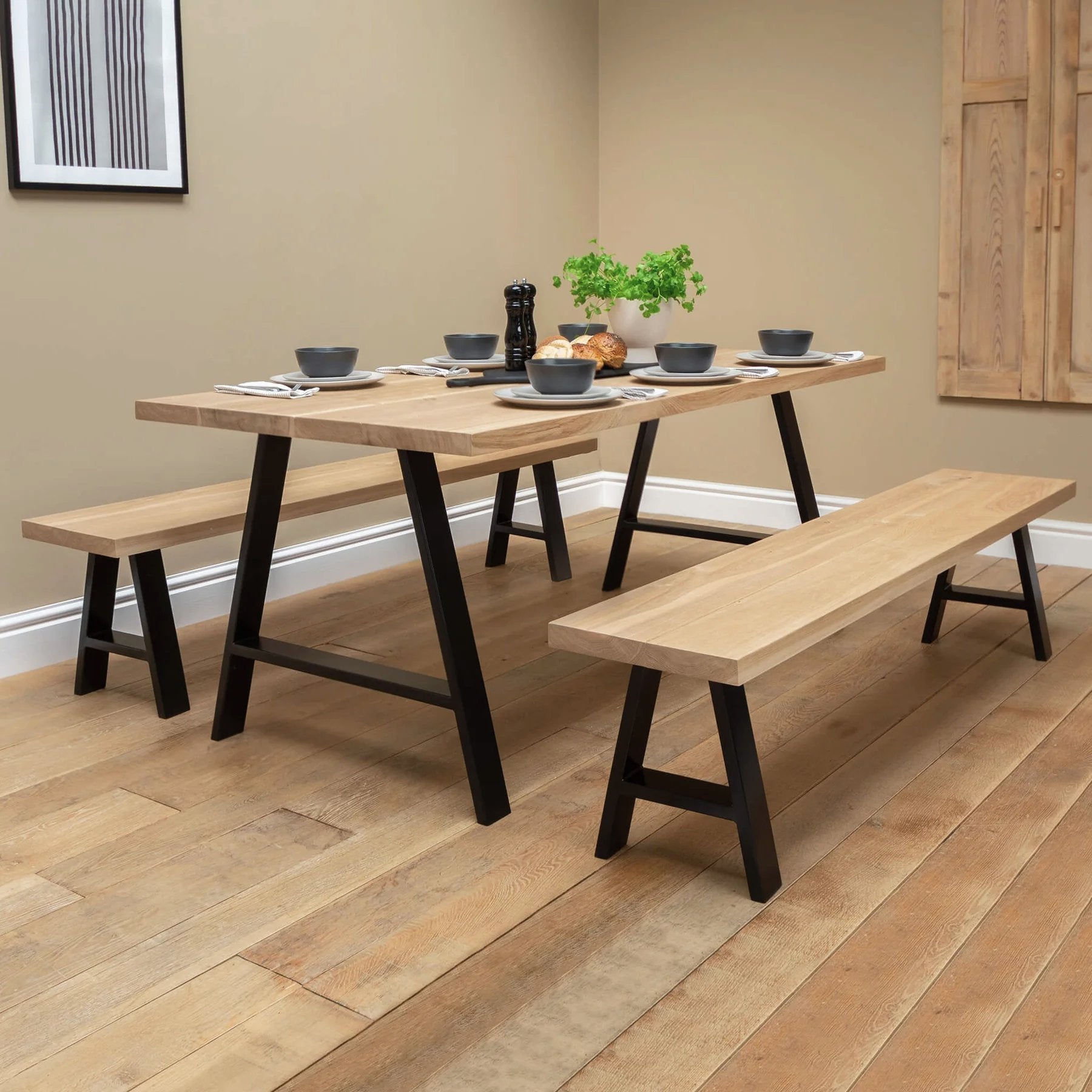
A table often sets the tone for the whole room. Rustic oak with a substantial top and black metal legs works beautifully in an industrial kitchen or converted barn. A softer oak tone with a simple wooden base can bring quiet warmth to a more traditional home. Clean lines, a slim profile and a lighter finish can sit comfortably in newer builds without feeling cold.
Still, style should follow practical choices, not replace them. A dramatic live edge may be perfect for a relaxed entertaining space, but a straighter edge can make serving, place settings and everyday seating simpler. A very wide tabletop feels generous, yet it may make conversation across the table less intimate in a smaller room.
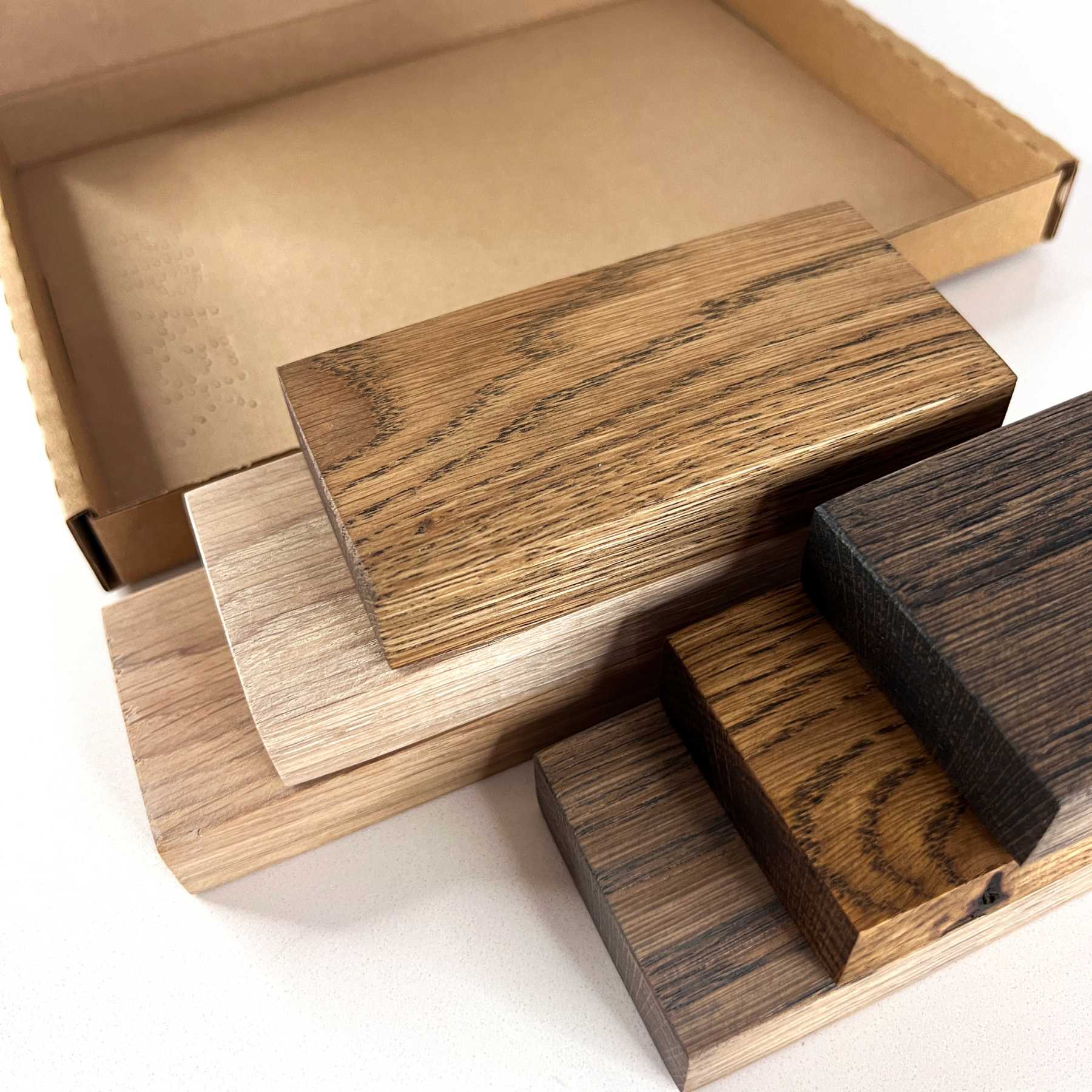
Ordering samples before committing can be useful, especially when matching existing flooring, cabinetry or painted walls. Timber changes throughout the day as natural light shifts, so place samples in the room where the table will live rather than judging them only under shop lighting.
Why made-to-order furniture changes the decision
A made-to-order table takes a little more thought than choosing from a warehouse shelf, but that thought pays off. You can specify dimensions that suit the room, select a timber character and choose a base that reflects how your family uses the space. It also creates a clearer connection between the furniture and the people making it.
At Willen Rose, every table is lovingly made in Derbyshire with the understanding that it will become part of everyday home life. That means considering more than appearance: the feel of the edge beneath your hand, the strength of the base, the tone of the oak and the practical reality of delivery into your home.
A good maker should be willing to discuss measurements, finishes and access before an order is placed. If your hallway is tight, your dining space has an awkward alcove, or you need a particular length to seat the whole family at Christmas, these details are not inconveniences. They are the reason bespoke furniture exists.
The best dining table is not the one that looks flawless forever. It is the one that welcomes another chair, carries the evidence of a well-used home and still feels solid beneath your hands years from now. Choose the timber, scale and craftsmanship with care, and let the memories do the rest.