



How to Choose a Wooden Bed Frame
A bed frame can look beautiful in a photograph and still be the wrong choice once it reaches your bedroom. The scale feels off, the headboard sits too high under the window, or the timber tone fights with your floor. If you are wondering how to choose a wooden bed frame, the best place to start is not with trends, but with the way you live and the room it needs to serve every day.
A well-made wooden bed should do more than hold a mattress. It should bring warmth to the room, feel solid under use, and suit your home for years rather than a season. That matters even more when you are buying for a permanent home, furnishing a main bedroom, or choosing pieces that need to stand up to family life.
How to choose a wooden bed frame for your room
The first decision is size, and this is where many people get caught out. Mattress size is only part of the picture. A wooden bed frame has its own footprint, and details such as a deep headboard, chunky side rails or a broad foot end can add more bulk than expected.
Measure the room carefully and think beyond whether the bed physically fits. You want enough space to walk around it comfortably, open wardrobes, reach drawers and make the bed without feeling squeezed. In smaller bedrooms, a low foot end or an open design can help the room feel lighter. In a larger main bedroom, a more substantial frame often looks better balanced and properly grounded.
Ceiling height matters too. A tall statement headboard can be striking, especially in period homes, but in a room with lower ceilings it may feel imposing. If your bed sits beneath a sloped ceiling, near a window, or against wall lights, those practical details should shape the design from the start.
Start with the timber, not just the finish
When people shop for wooden beds, they often focus on colour first. Light oak, dark stained timber, rustic reclaimed boards - these all create a different mood. But the wood itself matters just as much as the shade.
Solid wood offers a very different feel from veneer or composite materials. It has weight, character and natural variation in the grain. It also tends to age better. Small marks and shifts in tone become part of its story rather than signs that it is wearing out. For many homeowners, that is the appeal. A wooden bed frame should feel like a lasting part of the home, not something that needs replacing after a few years.
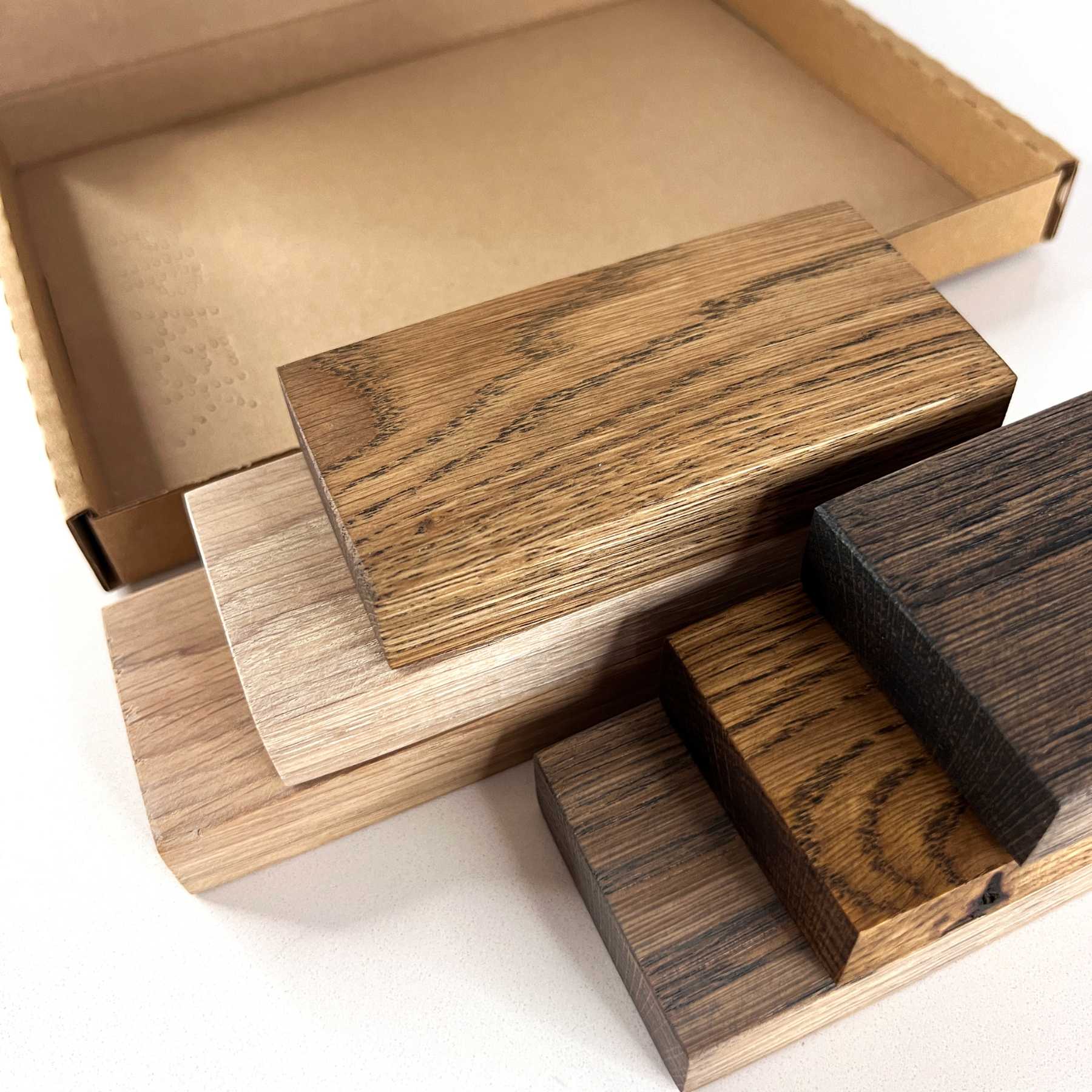
Oak remains a favourite for good reason. It is durable, timeless and versatile enough to suit rustic, farmhouse and more contemporary interiors. Reclaimed timber has a more weathered, characterful look, with knots, tonal variation and texture that bring a room to life. Neither is automatically better. It depends on whether you want a cleaner finish or something with a more lived-in feel.
If possible, seeing samples before you buy is always worthwhile. Timber can look quite different online depending on the light, styling and photography. A sample gives you a truer sense of grain, tone and texture against your flooring, paint colours and existing furniture.
Think about style in the context of your whole home
A bed frame should not feel like a one-off purchase dropped into the room without thought. The best choices usually echo the wider character of the house.
If your home leans traditional, a wooden bed with classic joinery, warm oak tones and a solid headboard may sit naturally. If you prefer a more industrial look, timber paired with metal detailing can bring in that workshop-made character without feeling too cold. If the rest of your furniture is simple and contemporary, a cleaner-lined wooden frame with less visual weight may work better.
This is where honesty helps. Ask yourself whether you still love the style in five years, not just whether it feels current now. Bedrooms are deeply personal spaces, and the pieces that last tend to be the ones with a quieter confidence.
How to choose a wooden bed frame that feels sturdy
Appearance matters, but structure matters more. A bed frame is used every day, and poor construction soon shows itself through creaks, movement and loose joints.
Look closely at how the frame is built. Strong side rails, properly fixed slats and well-made joints all contribute to long-term durability. A central support is especially important on larger sizes, where extra weight needs to be distributed properly. If a frame feels light in the wrong way or relies too heavily on basic fixings, it may not age well.
This is one of the biggest differences between mass-produced furniture and a handcrafted piece. Good joinery is not just about appearance. It is about making sure the frame stays solid through years of daily use. That is especially important in family homes, where furniture tends to work hard.
The slatted base deserves attention too. Some people focus entirely on the outer frame and forget that mattress support plays a major role in comfort and longevity. Slats should be strong, evenly spaced and properly fitted. A supportive base helps your mattress perform as it should and can extend its life as well.
Match the frame to your mattress and sleeping habits
Not every bed frame suits every mattress. Some mattresses need firmer, more consistent support, while others work well with a little more give. If you are replacing the frame but keeping your existing mattress, check compatibility before you buy.
Sleeping habits also come into play. If you prefer a higher bed that is easier to get in and out of, pay attention to frame height as well as mattress depth. If you like a lower, more relaxed look, a platform-style wooden bed may suit you better. For guest rooms, flexibility often matters most. For main bedrooms, comfort and durability usually take priority.
If you read in bed, the headboard shape matters more than you might think. A straight, solid headboard can be practical and comfortable, while heavily decorative designs may look lovely but offer less support. These are small details until you live with them every night.
Consider storage, but be realistic about trade-offs
Storage beds can be a smart choice, particularly in homes where every inch counts. Drawers built into the base can help keep spare bedding, seasonal clothing or children’s overflow neatly tucked away.
That said, storage should not come at the expense of proportion or accessibility. In tighter rooms, underbed drawers may be awkward if there is not enough clearance around the sides. A simpler frame with open space beneath it can sometimes make a bedroom feel larger and easier to keep clean. If storage is the priority, think carefully about how you use the room day to day rather than assuming more features always mean a better design.
Bespoke sizing can solve more than one problem
Standard dimensions work for many bedrooms, but not all. Older properties, awkward alcoves, sloped ceilings and unusually sized rooms often need a more considered approach.
This is where made-to-order furniture comes into its own. A bespoke wooden bed frame can be adjusted to suit your space, whether that means altering the headboard height, refining the width of the frame, or creating a design that sits comfortably alongside other fitted pieces. For customers furnishing a long-term home, that level of care often makes the difference between a bed that merely fits and one that feels meant for the room.
At Willen Rose, that is often the heart of the process - helping customers choose something that suits their home properly, rather than asking them to compromise around a standard stock size.
Look for signs of lasting value
A wooden bed frame is rarely the cheapest option in the room, nor should it be. The value lies in what you are buying: solid materials, skilled making, thoughtful proportions and a piece that is built to stay with you.
That does not mean the most expensive design is always the right one. It means looking for quality where it counts. Solid timber, dependable construction, a finish that will wear gracefully, and a maker who understands the material all matter more than unnecessary extras.
It is also worth asking practical questions before ordering. How is the bed delivered? Will it be assembled easily in the room? Is the timber sustainably sourced? Can the dimensions or finish be tailored? Clear answers usually tell you a great deal about the maker behind the piece.
Choosing well is often about slowing down. Look at the room, think about the way you live, and trust materials that feel honest and enduring. The right wooden bed frame should feel settled from the moment it arrives - as though it belongs in your home and is ready for the years ahead.