



How to Order Custom Furniture Without Guesswork
A dining table can look perfect online and still be wrong for your home by a matter of inches. That is usually the moment people start asking how to order custom furniture properly - not just how to choose something attractive, but how to get a piece that fits the room, suits the way you live and earns its place for years to come.
Custom furniture is different from off-the-shelf buying because you are shaping the end result from the start. The size, timber, finish and even the feel of the piece are part of the decision. That is what makes it so rewarding, but it also means a little more thought upfront saves a great deal of disappointment later.
How to order custom furniture with clarity
The best custom orders begin with the room, not the product. It is easy to fall in love with a design first, especially if you have seen a beautiful oak table or a reclaimed wood coffee table that feels exactly right. But before anything else, you need to understand the space it is going into and how that space is used day to day.
A dining table for a busy family kitchen has different demands from one in a formal dining room. A bed frame in a period cottage may need to work around uneven walls or low ceilings. A storage bench in a hallway needs enough presence to be useful without making the entrance feel cramped. Good bespoke furniture is not only made to measure. It is made to suit real life.
That means your first step is practical. Measure the room carefully, and not just the empty floor area. Consider doorways, radiators, skirting boards, window ledges and anything else that affects placement. Leave enough space for chairs to pull out, drawers to open and people to move comfortably around the piece. If you are ordering a dining table, think about how many people you seat every day and how many you want to seat when friends or family come round. Ordering for the exception rather than the norm can leave you with a table that overwhelms the room.
Start with function, then refine the style
One of the most common mistakes in custom orders is choosing purely by appearance. Style matters, of course, but function should lead. The right questions are often simple ones. Will this be used every day? Do children climb on it, eat at it or knock toys into it? Is this a statement piece for entertaining, or a workhorse that needs to handle spills, homework and Sunday roasts?
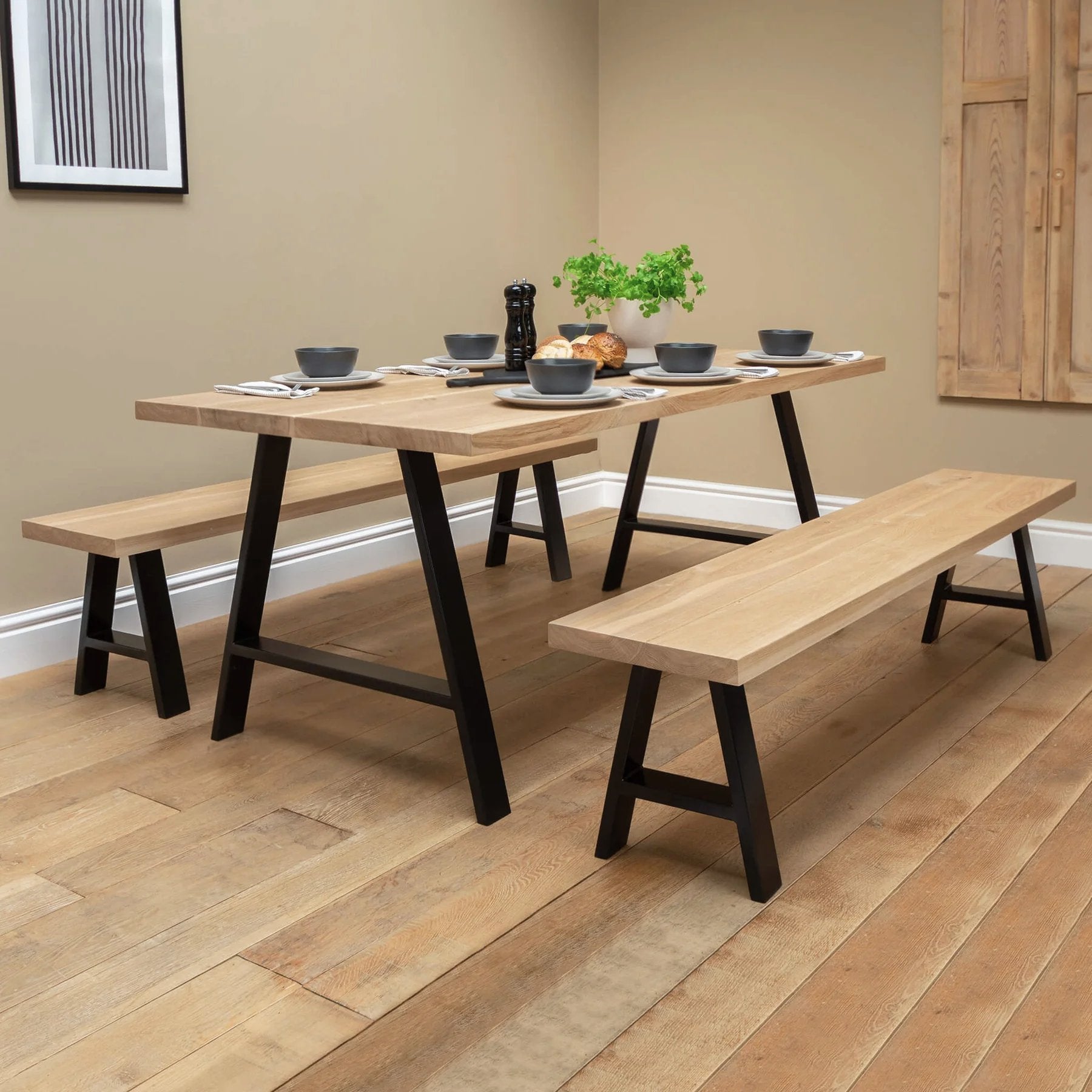
Those answers help shape the details. A solid oak dining table with a durable finish may be ideal for family life because it offers warmth and character without feeling precious. A reclaimed timber top might suit a more rustic interior and disguise the marks of daily use beautifully. A metal-framed industrial design can bring structure and contrast, but it may feel visually heavier in a smaller room. None of these options is universally better. It depends on your home, your taste and how much wear the furniture needs to take.
When the function is clear, the styling choices become easier. You are no longer picking from endless possibilities. You are narrowing them to what genuinely works.
Materials matter more than many people realise
If you are learning how to order custom furniture, spend time on the materials. This is where quality becomes visible not only on day one, but five or ten years later.
Solid wood behaves differently from veneered board or mass-produced composite furniture. It has weight, depth and natural variation. It also changes slightly with its environment because timber is a living material even after it has been crafted. That is not a flaw. It is part of its character. The grain pattern, knots and tonal shifts are what make each piece individual.
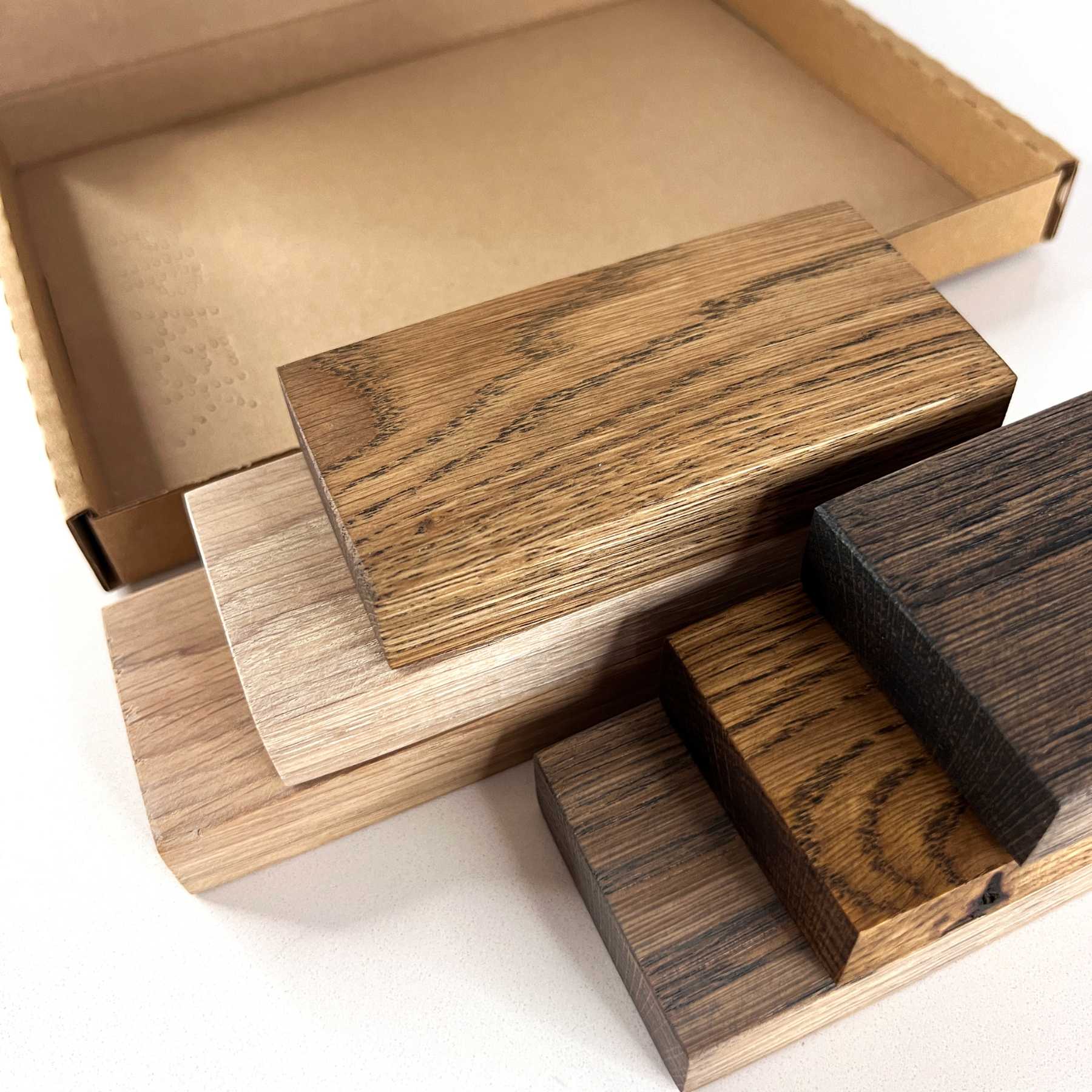
The important thing is to understand what you are choosing. Oak is popular for good reason. It is strong, timeless and well suited to furniture that sees regular use. Reclaimed timber brings history and texture, but often with more variation and a more weathered appearance. Painted or mixed-material pieces can soften the look or fit a more contemporary room. If you are unsure, a sample pack can make all the difference. Seeing the timber in your own light, next to your flooring and wall colour, is far more useful than relying on a screen.
Be precise with measurements, but realistic too
Accuracy matters, yet perfection on paper is not always the same as comfort in a lived-in room. That is why good custom ordering involves both measurements and judgement.
Take a dining table as an example. You may technically be able to fit a certain size into the room, but if it leaves only a narrow route around the chairs, it will feel awkward every day. The same goes for beds, sideboards and coffee tables. A piece should have breathing space. Handmade furniture is meant to enhance the room, not dominate it simply because the dimensions were possible.
It also helps to mark out the proposed size on the floor with masking tape or newspaper. This gives a much more honest sense of scale than a number on a page. It is a small step, but one that can prevent expensive second thoughts.
Ask about the details that shape the final piece
A bespoke order is rarely only about width, height and depth. The finer details often make the biggest difference to how the furniture feels in your home.
With tables, that may include top thickness, leg position, edge profile and finish. With beds, it could be headboard height, clearance underneath or the overall footprint including the frame. Storage pieces raise different questions, such as shelf spacing, drawer depth or whether soft-close fittings matter to you. If a maker offers guidance here, use it. Experienced furniture makers have seen which proportions work well and which requests can look right in theory but feel unbalanced in the finished piece.
This is where direct communication is valuable. A proper conversation often resolves concerns more quickly than hours of browsing. If you can explain your room, your style and what you need the piece to do, a good workshop can guide you towards choices that are both attractive and practical.
Understand lead times and delivery before you commit
Made-to-order furniture takes longer than warehouse stock, and rightly so. Timber needs selecting, preparation takes time and each piece moves through a genuine making process. That timescale is part of the value, but it is still worth asking clear questions before placing the order.
Find out the expected lead time, whether it changes seasonally and what happens if your project has a deadline. If you are renovating, be honest about your timings. Ordering too early can create storage problems, while ordering too late may leave you furnishing a finished room with temporary pieces.
Delivery is just as important. Check access carefully, especially for large dining tables, bed frames or substantial storage furniture. Measure hallways, staircases and awkward corners. A beautifully made piece is no use if it cannot be brought into the house without difficulty. It is also worth asking how the furniture will arrive, whether assembly is needed and what preparation helps on delivery day.
How to order custom furniture and avoid common regrets
Most regrets come from rushing one part of the process. Sometimes it is the finish, because people choose quickly and only later realise they wanted a warmer tone. Sometimes it is the size, because they measured the room but not the route through the house. And sometimes it is simply hesitation during the design stage, where a customer asks for a bespoke piece but still tries to force it into the logic of mass-produced furniture.
Custom work is at its best when you allow for individuality. Natural timber will vary. Handcrafted details will have warmth and subtle character. The piece will be made for your home, not copied from a warehouse line. That is the point.
It also helps to choose a maker who is transparent and easy to speak to. If they can explain construction, materials and practical considerations in plain language, confidence tends to follow. For many homeowners, that reassurance matters just as much as the design itself.
At Willen Rose, that conversation is part of the process because a handcrafted piece should feel personal from the first enquiry to the day it arrives.
The best custom furniture feels settled from the start
When a bespoke piece is right, it does not feel like a compromise or a gamble. It feels as though it was always meant to be there. The proportions suit the room, the timber sits naturally with the rest of the home and the finish makes sense for the way you live.
That is really the answer to how to order custom furniture. Start with your home, be honest about how you use it, ask careful questions and give proper weight to materials and measurements. The extra thought is not a hurdle. It is what turns a furniture purchase into something lasting - a piece that quietly becomes part of family life, year after year.