



How to Choose a Coffee Table That Lasts
A coffee table is often the piece that makes a sitting room work. It holds the mugs on a slow Sunday morning, the games brought out after dinner, the feet up at the end of a long day and, quite often, the evidence of family life in between. If you are wondering how to choose a coffee table, start with how your room is actually used, not simply the look you have saved on a screen.
The right table should feel settled in the room: generous enough to be useful, carefully proportioned around the seating, and made from materials that will only grow more characterful with time. That may mean a substantial oak top, a practical lower shelf, or a made-to-measure size that avoids forcing a near-fit into an awkward space.
Start with the sofa, not the empty floor
It is tempting to measure the open area in the middle of the room and buy a table to fill it. In practice, the sofa and chairs should set the dimensions. A coffee table is there to serve the seating around it, so it needs to sit within easy reach without becoming an obstacle between people and the place they want to sit.
As a useful guide, choose a table around two-thirds the length of your main sofa. This is not a hard rule, particularly in a room with a corner sofa or several armchairs, but it usually creates a balanced relationship. A table that is too short can appear lost, while one that almost matches the sofa length can make the room feel heavy and crowded.
Leave roughly 40 to 45cm between the table and the sofa. That gives enough room to walk through while keeping a drink, book or remote comfortably close. If your living room is narrow, prioritise the walkway first. A smaller table with a slimmer frame is better than a beautiful piece that makes everyday movement frustrating.
Get the height right
Most coffee tables look and work best when they are level with the sofa seat cushion or slightly lower. For many sofas, that means a height of around 40 to 45cm. A lower table can create a relaxed, contemporary feel, especially with deep, low seating. A slightly taller design may be more practical for people who regularly eat, work or play games in the living room.
Before ordering, measure to the top of the cushion rather than the base of the sofa. Cushion depth changes the usable height more than people expect. If you are choosing a sofa and coffee table together, consider their proportions as a pair rather than treating them as separate purchases.
How to choose a coffee table shape
Shape affects how a room flows as much as size does. Rectangular coffee tables are a natural match for standard three-seater sofas, long rooms and arrangements where the seating sits opposite a fireplace or television. They offer the most usable surface area and are particularly helpful when you like a tray of drinks, magazines or a few well-chosen objects to have a proper home.
A square table works well when seating is arranged in an L-shape or faces in from several sides. It creates a sociable centre, though it needs enough floor space around it. In a compact room, a square design can feel bulky more quickly than a rectangle of similar surface area.
Round and oval tables soften a room with lots of straight lines. They are a thoughtful choice for homes with young children, tight routes through the room, or a pair of sofas facing one another. With no sharp corners to navigate, the space feels easier to move around. The trade-off is less uninterrupted surface area, so think honestly about whether the table will be used mainly for display or for the daily gathering of cups, plates and family essentials.
For an unusual layout, nesting tables or two smaller tables can be more adaptable than one large piece. They can be moved closer when guests visit, then tucked back to give the room breathing space. This is especially useful in a sitting room that does more than one job.
Choose a material that suits real life
The material is where a coffee table earns its place over the years. Solid wood has a warmth and depth that manufactured boards rarely achieve, and it can be repaired, refinished and enjoyed for decades. Oak is a particularly dependable choice for a hardworking family home: naturally strong, beautifully grained and capable of taking on gentle marks as part of its story.
A solid oak coffee table has reassuring weight, but it should not feel overly formal. The grain, knots and subtle tonal variation bring life to the room, especially alongside upholstered sofas, wool rugs and softer textures. A clear or lightly toned finish lets the timber remain the main feature, while a darker stain can add contrast in pale, contemporary spaces.
Reclaimed timber has more immediate character. Saw marks, filled knots and signs of its former life create a rustic, lived-in feel that suits farmhouse and industrial interiors. It is not the choice for someone seeking perfectly uniform colour or a flawless surface. That individuality is precisely the appeal, and each top will carry its own markings.
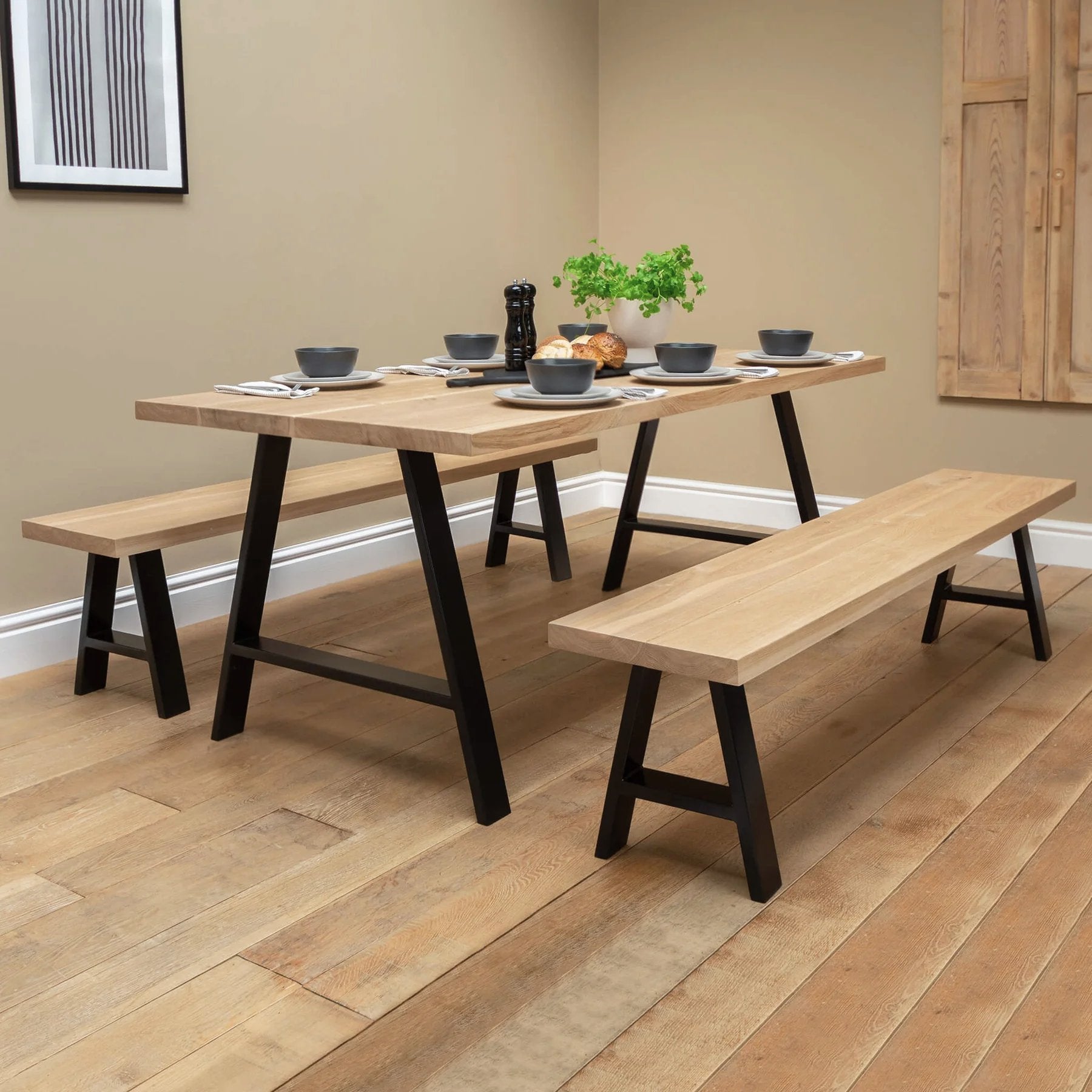
Metal-framed coffee tables pair well with solid timber when you want a more architectural edge. A black steel base can give a substantial oak top a lighter visual profile, making it a good option for loft-inspired rooms or homes that mix traditional materials with contemporary furniture. Look for a frame with proper strength and clean welds, not a lightweight construction that merely imitates the industrial look.
Glass can make a small room appear more open, but it asks more of household life. Fingerprints, dust and the worry of chips are worth weighing up if the table will be used by children or regularly moved for cleaning. For many busy homes, wood is simply more forgiving.
Think beyond the top surface
The best coffee table is not always the one with the largest top. Storage can make a real difference in a family room, keeping remote controls, coasters, magazines and board games close at hand without leaving the room looking untidy.
An open lower shelf is ideal if you want everyday items accessible and baskets beneath the table can bring order without making the piece feel enclosed. Drawers offer a neater finish, although they require enough clearance to open comfortably. If your room already has plenty of cabinetry, a simpler table may be the better visual choice.
Consider the legs too. A table with legs set in from the corners can feel lighter and allows more space for feet beneath it. A solid plinth or chunky base creates presence, but it suits larger rooms best. On a deep-pile rug, make sure the table has a stable stance. A handsome piece that rocks when a cup is placed on it will soon become tiresome.
Match the character, not every finish
Your coffee table does not need to match every other wooden piece in the room. In fact, an exact match can make a space feel less collected and personal. Aim instead for a shared character. A warm oak table can sit happily with walnut accents, painted cabinetry or a vintage sideboard when the overall tones feel considered.
In a rustic home, a thick timber top and visible grain can ground softer furnishings. In a more modern room, choose cleaner lines and a finer edge profile while retaining the warmth of real wood. Industrial interiors often benefit from the contrast between natural oak and a simple metal frame. The goal is not to follow a label perfectly, but to choose a table that feels at home with the textures, colours and age of your house.
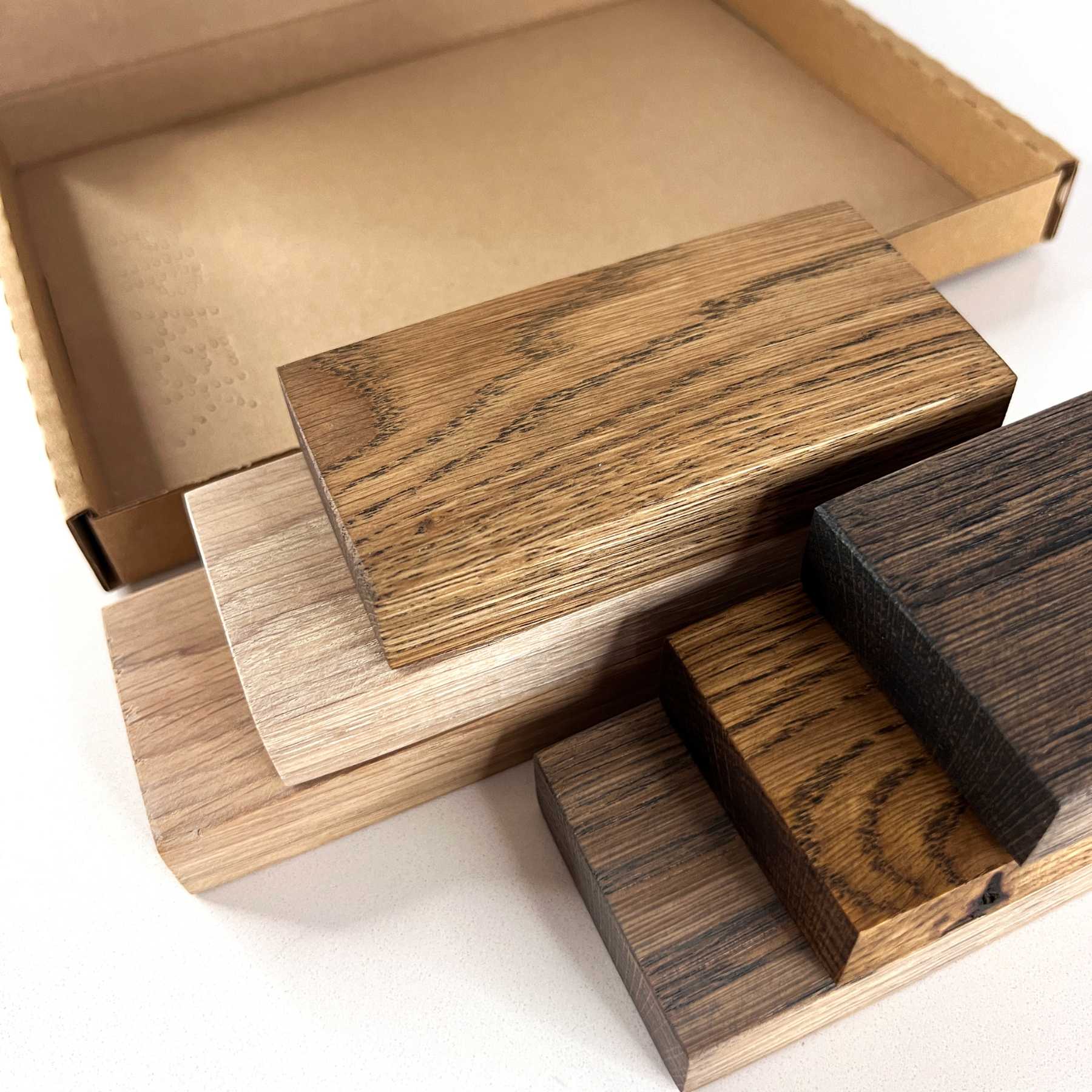
Samples are worthwhile when investing in solid timber. Oak can look quite different in a bright south-facing room than it does under evening lamps, and wall colour, flooring and nearby upholstery all influence what you see. Look at the sample in the intended room at different times of day before making a final decision.
Invest in construction you can trust
A coffee table may look simple, but the details determine how it lives over time. Solid wood construction, properly fixed joints and a durable finish matter far more than decorative extras. Avoid confusing a thin wood veneer with solid timber if longevity is a priority. Veneer can have its place, but it cannot be sanded back and renewed in the same way as a solid oak top.
Handcrafted furniture also gives you the chance to choose dimensions that work for your home rather than accepting a standard size that is almost right. At Willen Rose, made-to-order tables are lovingly made in Derbyshire with the practical details of home life in mind. That might mean adjusting the length for a narrow sitting room, selecting a shelf for storage, or choosing a finish that sits comfortably alongside existing furniture.
A well-made coffee table will collect the small marks of real life. Use coasters for hot drinks, wipe spills promptly and follow the maker's care advice, but do not expect a natural timber surface to remain untouched forever. The gentle changes are part of owning furniture crafted to last.
Choose the piece that invites people to gather round it. When the proportions are right and the materials feel honest, a coffee table becomes less like a finishing touch and more like a familiar part of the family home.