



What Wood Lasts Longest Indoors? Our Guide
A dining table may see thousands of family meals, hot plates, homework sessions and elbows over the years. A bed frame should stay quiet and secure through decades of use. When people ask what wood lasts longest indoors, they are usually looking for more than a timber that simply survives. They want furniture that still feels good to live with as the house and the family around it change.
For most homes, oak is the best all-round answer. It is hard, stable when properly dried, naturally beautiful and exceptionally forgiving of everyday use. Yet the longest-lasting piece is not determined by species alone. How the timber is selected, joined, finished and cared for matters just as much as the name stamped on the material.
What wood lasts longest indoors?
If strength, repairability and lasting character are the priorities, solid oak is hard to beat for indoor furniture. European oak in particular has long been used for tables, cabinetry, beams and doors because its dense grain stands up well to knocks and its natural tannins offer some resistance to moisture and staining.
Teak can outlast oak in certain conditions, especially where humidity or splashes are a regular concern, thanks to its natural oils. However, it is costly, often has a more golden appearance, and responsible sourcing deserves close attention. For a solid wood dining table, bed or coffee table in a typical heated British home, oak usually offers the more practical balance of durability, character and value.
Walnut, ash and maple also make excellent long-term furniture. The right choice depends on where the piece will sit, how it will be used and the look you want to come home to every day.
Why some wooden furniture lasts for generations
Wood is not a fixed, lifeless material. It responds gently to changes in temperature and moisture, expanding and contracting across the grain as the seasons change. A well-made table allows for this natural movement. A poorly made one fights it, which can lead to splits, warped tops or loose joints even when the timber itself is good.
Hardness helps, particularly on a busy dining surface. But density alone is not the full story. Timber must be carefully kiln dried to a suitable moisture content for an indoor home, with boards selected and joined thoughtfully. Wide boards, proper support and traditional joinery all help a piece settle into a long life rather than merely look good on delivery day.
Finish matters too. Oils and hardwax oils allow timber to retain a natural feel and make local repairs more straightforward. Lacquered finishes can offer strong surface protection, but a deep scratch may be more difficult to blend in. Neither approach is automatically better. It is a question of the finish that suits the furniture's job and the level of maintenance you are comfortable with.
The best long-lasting woods for indoor furniture
Oak: the dependable family favourite
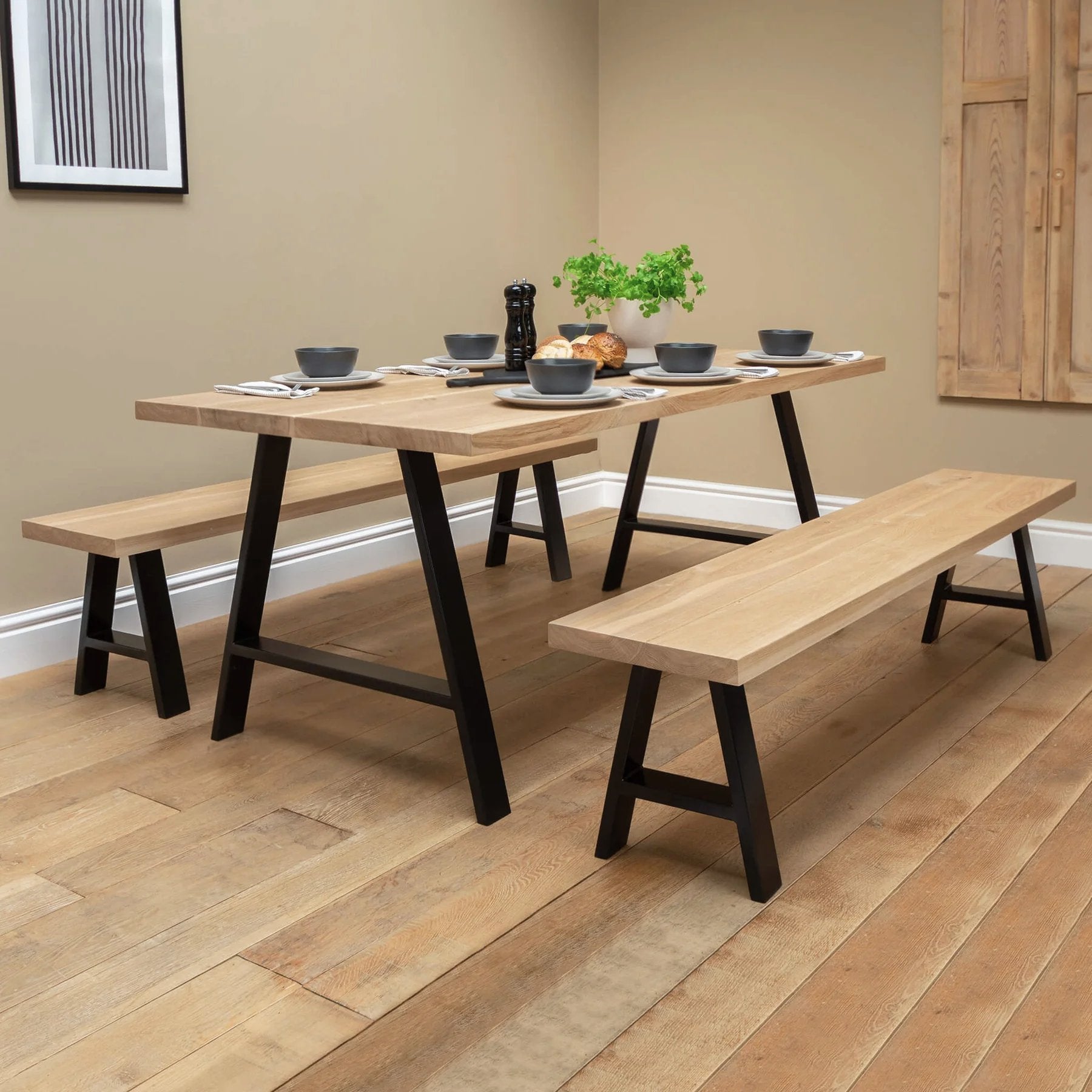
Oak earns its reputation through balance. It is tough enough for everyday dining, substantial enough for large tables and beds, and full of grain, knots and medullary rays that give every board its own character. It suits rustic farmhouse rooms as naturally as cleaner, contemporary spaces, especially when paired with a simple steel base or a carefully shaped solid timber frame.
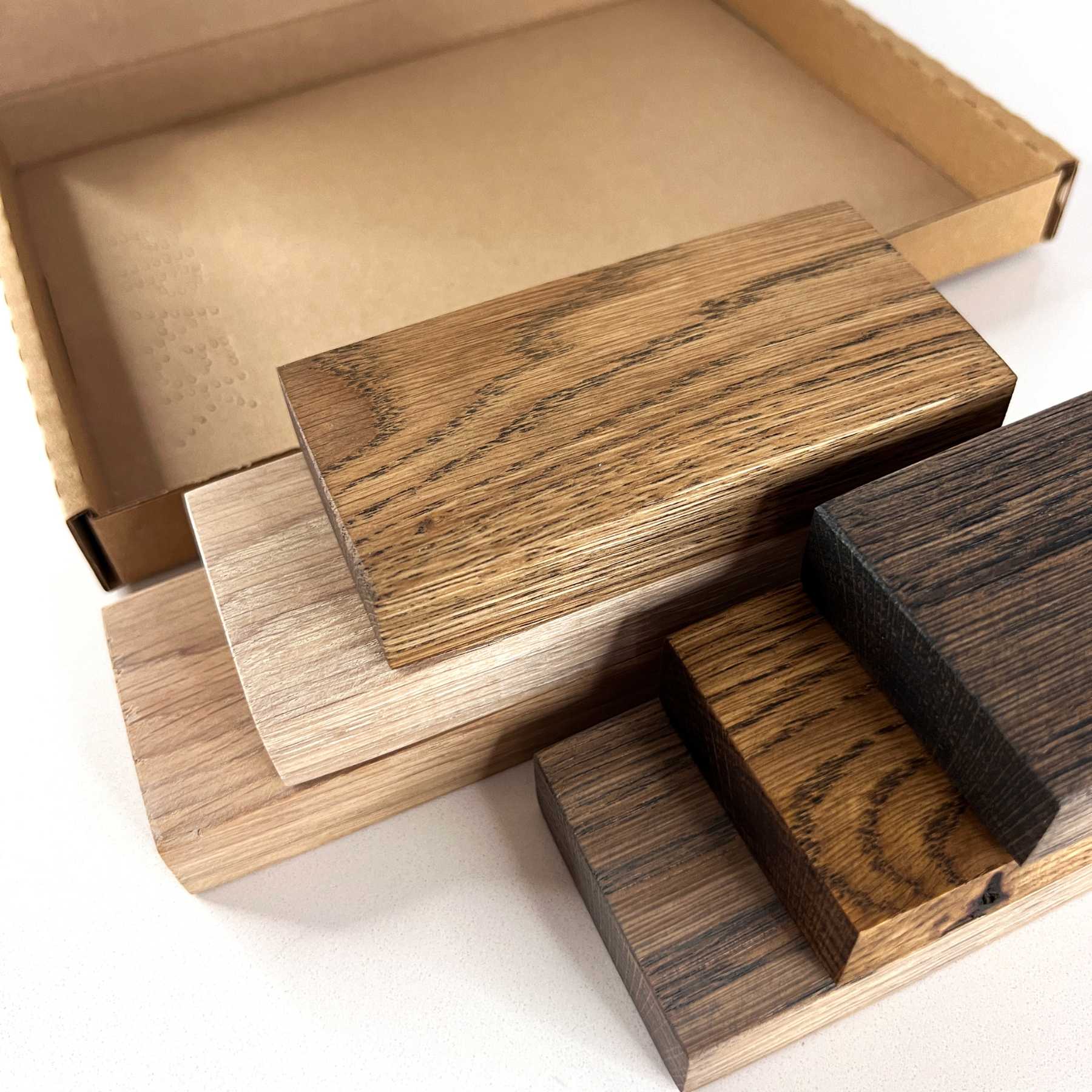
Its greatest advantage may be that it ages gracefully. Small marks and a deepening of colour tend to become part of the story rather than making the furniture look tired. If an oak top is badly marked after many years, it can often be lightly sanded and re-oiled rather than replaced. That repairability is a real measure of longevity.
Teak: naturally resilient, but not always necessary
Teak is a dense hardwood with high natural oil content. It is remarkably resistant to moisture, which is why it is well known for garden furniture and boat building. Indoors, it can be a sensible choice for a bathroom cabinet or a kitchen piece exposed to occasional dampness, provided it has been responsibly sourced.
For dry rooms, teak's weather resistance is often more than you need. It can also be significantly more expensive than oak, and its distinctive yellow-brown tone will not suit every home. A good oak table, cared for properly, should offer a lifetime of service without asking you to pay for properties designed for harsher outdoor conditions.
Walnut: enduring elegance with a gentler surface
Walnut is a durable hardwood prized for its deep chocolate colouring and flowing grain. It makes beautiful dining tables, sideboards and bedroom furniture, bringing warmth and refinement without feeling overly formal. It is not usually as hard as oak, so it may pick up dents a little more readily in a particularly busy household.
That does not make walnut a short-lived choice. A well-constructed walnut piece can be handed down for generations. It simply suits owners who appreciate a richer, smoother look and accept that a little patina is part of living with real timber.
Ash and maple: strong, light-toned alternatives
Ash is hard, springy and strikingly grained, with a paler appearance that works well in airy, modern interiors. Maple is also hard-wearing and has a close, subtle grain. Both can make excellent furniture, though they tend to feel more contemporary than the familiar warmth of oak.
Their main trade-off is visual rather than structural. Oak's pronounced grain is particularly good at disguising the tiny signs of a well-used family home. On pale, smoother timbers, marks may be more visible, depending on the chosen finish.
Match the timber to the room, not just the label
For a dining table, choose a hardwood with a finish that can be renewed. Oak is particularly well suited because it copes with the daily reality of chairs being pulled in, serving dishes moving across the surface and the occasional forgotten coaster. A substantial top and a properly engineered base are every bit as valuable as the wood species.
In a bedroom, the demands are kinder. Oak, walnut, ash and maple can all make long-lasting beds, wardrobes and bedside tables. Here, joinery is especially important. A solid bed frame should be designed to resist racking and movement, with secure rails and fixings that can be tightened or maintained over time.
Coffee tables need to manage feet, mugs, games and the odd enthusiastic child. Oak and reclaimed timber are excellent choices, particularly where texture and a few future marks will add to the charm. Reclaimed wood can be exceptionally durable, but its quality depends on careful preparation, metal detection, drying and construction. Its history is a feature, not a substitute for skilled making.
Bathrooms and utility areas are different. No wood enjoys standing water or persistent condensation. Teak has an advantage, but even it needs good ventilation and prompt attention to splashes. In these spaces, sensible design and a suitable finish matter more than assuming any timber is indestructible.
Construction is where longevity is won
A cheap solid wood table can still disappoint if its boards are rushed, its legs are weakly attached or its top is fixed so tightly that it cannot move with the seasons. Equally, a well-made piece using a less fashionable species can give decades of reliable service.
Look for solid timber where it matters most: tops, frames, rails and drawer fronts. Ask how a large top is supported and whether the furniture is made to suit your dimensions rather than forced into a generic size. Traditional joints, sturdy fixings and considered proportions give furniture its quiet strength.
At Willen Rose, this is the thinking behind made-to-order furniture. The aim is not simply to create a table for a room, but to make a piece that belongs there through busy Sundays, changing interiors and years of shared meals.
A little care keeps good wood looking its best
Indoor timber lasts longest in a steady environment. Avoid placing furniture directly beside a radiator, in strong uninterrupted sunlight, or against a damp external wall. Use mats for hot dishes, wipe spills promptly and do not leave wet glasses sitting on an unprotected surface.
For oiled furniture, occasional refreshing with the recommended oil can revive the surface and help maintain protection. Clean with a lightly damp cloth and mild soap where needed, then dry it rather than soaking the grain. Harsh sprays, silicone polishes and abrasive pads create more problems than they solve.
Do not be alarmed by small changes in colour, texture or grain over time. Real wood develops a patina because it has been part of a real home. The goal is not to keep it frozen at showroom-new, but to keep it sound, useful and beautiful.
The wood that lasts longest indoors is the one chosen honestly for its role, made with care and welcomed into daily life. Choose solid oak when you want dependable strength and timeless character, then give it the craftsmanship and modest care that allow it to become part of your family's story.