



Choosing a Storage Bench for Hallway Spaces

The hallway is where muddy shoes, school bags, dog leads and the post all seem to arrive at once. A well-made storage bench for entryway use gives those daily essentials a proper home, while offering a welcome place to sit down before heading out or coming back in. It is a small piece of furniture with a large job to do.
For a permanent home, it pays to look beyond a quick-fix shoe rack or lightweight ottoman. A solid wood bench brings order to a busy threshold, but it also sets the tone for the rooms beyond. Choose it carefully and it can become part of family life for years - somewhere children pull on their wellies, guests set down their bags and everyone pauses for a moment at the beginning or end of the day.
Start with how your hallway is actually used
Before choosing a style, think about the movement through your entrance. A bench that looks handsome in a wide photograph can feel awkward if it narrows the route from the front door to the stairs, or catches on a coat as someone passes. Measure the clear walkway first, then decide what space is genuinely available for seating and storage.
For most homes, a bench depth of around 35 to 45cm feels comfortable without projecting too far into the room. A seat height close to that of a dining chair, usually around 45cm, makes it easy to put on shoes. If you have a generous porch or broad hall, a deeper bench can offer more useful storage. In a Victorian terrace or narrower new-build entrance, a slimmer design may be the better choice.
Length matters just as much. A compact bench can serve one person neatly beside the door, while a longer piece gives a family somewhere to sit together during the morning rush. Leave enough room for doors to open fully, including cupboard doors, radiator covers and nearby internal doors. A made-to-order bench is especially valuable where a standard size leaves an irritating gap or overwhelms the available wall.
Choose storage that suits the everyday clutter
The best storage bench for entryway spaces is not necessarily the one with the largest compartment. It is the one that makes the things you use most often easiest to put away.
Lift-up storage for a calmer-looking hall
A hinged lid keeps shoes, reusable bags, scarves and hats out of sight. This is a particularly good solution if your entrance opens straight into a living room or dining area, where visual clutter can quickly make the whole space feel less settled.
There is a practical trade-off. Deep, open storage can become a place where everything disappears together. Consider what will go inside and whether simple baskets or dividers would help. Soft-close or carefully fitted hinges also matter in a family home, where the lid will be opened and closed countless times and little fingers may be nearby.
Open shelves for shoes that need to breathe
An open lower shelf makes everyday footwear easy to see and reach. It works well for households that prefer a simple routine: shoes off, shoes underneath, no searching required. It is also useful for boots that may still be damp after a walk.
The compromise is that open storage asks for a little more discipline. If several pairs of trainers, football boots and wellies collect there, the bench can look untidy rather than purposeful. A combination of an open shelf and a concealed section often offers the most flexible answer.
Drawers and baskets for smaller essentials
Drawers can bring welcome order to keys, gloves, umbrellas and dog-walking bits and pieces. Baskets soften the look of an oak or reclaimed timber bench while giving each member of the household a designated place. They are easy to lift out and empty, which is useful when seasons change.
Think about the details that make daily use more pleasant. A small tray on top can catch keys. Hooks above the bench keep coats off the floor. A nearby boot tray protects timber flooring on wet days. The bench does not need to solve every storage problem alone, but it should anchor a practical little arrival zone.
Why solid timber is worth considering
An entryway bench is asked to work hard. It takes the weight of people sitting down, bags being dropped, boots being nudged beneath it and the occasional damp coat thrown over the arm. This is not the place for furniture that feels temporary.
Solid oak has the strength and character to stand up to that rhythm of use. Its grain brings warmth to painted halls, tiled porches and more contemporary spaces alike, and it develops a gentle patina as the years pass. Reclaimed timber offers a more rustic feel, with knots, marks and variation that tell their own story. Neither is about perfection in a showroom sense. They are materials with presence, made for real homes.
Engineered boards and veneered finishes can be appropriate for a lighter-use space or a tighter budget, but it is worth understanding the difference. A solid wood bench can usually be maintained and refreshed if it picks up the knocks that come with family life. It also has the reassuring weight and stability that a hallway seat needs.
For homes with underfloor heating, pets or frequent wet-weather traffic, ask about the finish as well as the timber. A durable protective oil or lacquer helps make cleaning straightforward, though no natural material is entirely maintenance-free. Wipe up water promptly, avoid leaving soaked umbrellas against the wood and use a breathable mat by the door. A little care preserves the finish without taking away from the everyday ease of the piece.
Match the bench to the character of your home
A storage bench should feel connected to the rest of your furniture, rather than like a utility item added at the last minute. That does not mean every wood tone needs to match exactly. In fact, a thoughtful contrast can make an entrance more inviting.
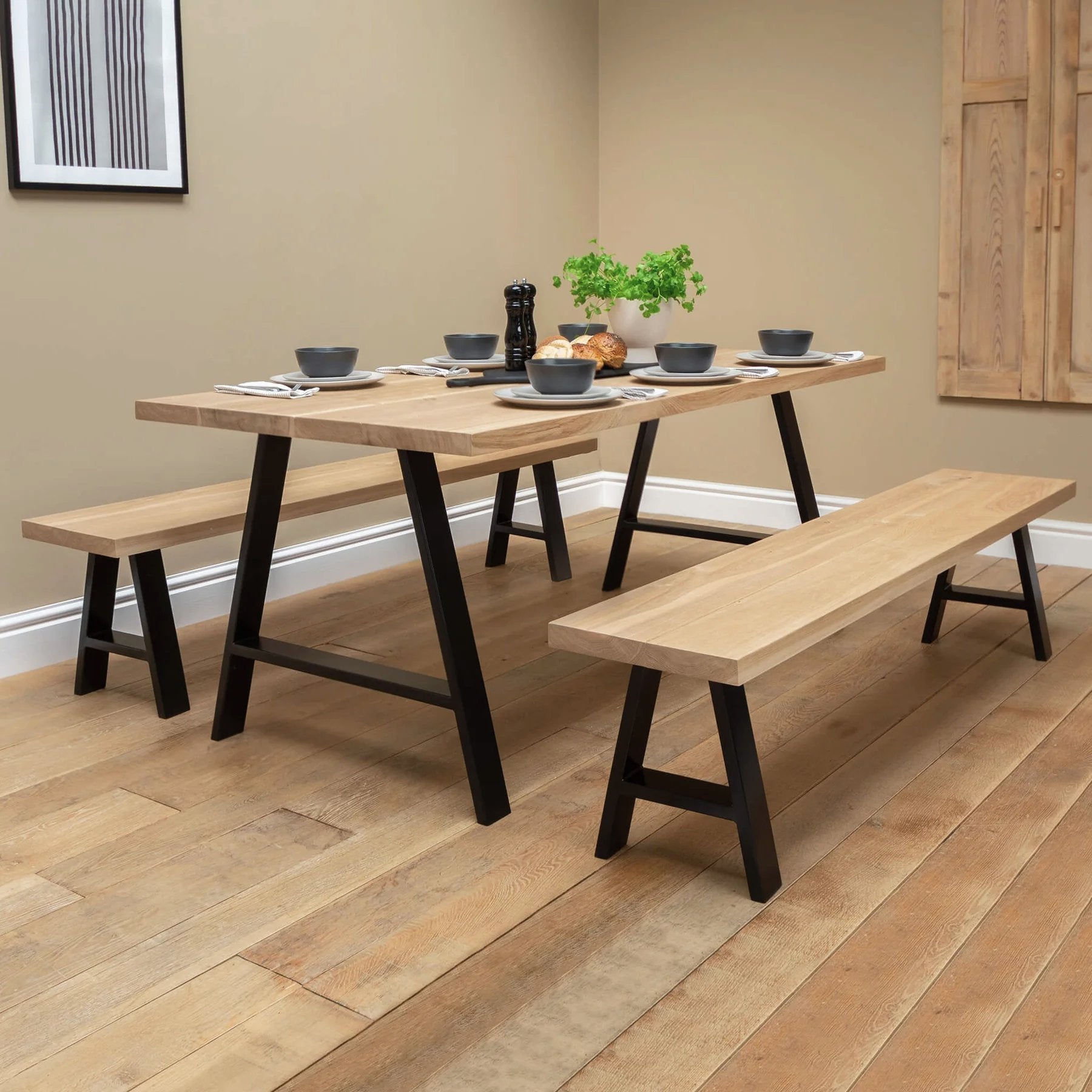
A clean-lined oak bench with discreet storage suits a modern country interior or a calm, contemporary hallway. For a farmhouse feel, consider thicker timber, visible grain and a softer, more relaxed finish. If your home leans industrial, reclaimed wood paired with a dark metal frame can bring structure and character without feeling cold.
The seat itself is another choice. Bare timber is wonderfully practical and lets the craftsmanship do the talking. A fitted cushion makes longer shoe-changing sessions more comfortable and can introduce colour or texture, but it will need occasional cleaning and may be less convenient after a rainy school run. A loose, washable cushion is often the sensible middle ground.
Do not overlook comfort and safety
A bench can be beautifully made and still be wrong if it is uncomfortable to use. Check that the seat is deep enough to sit on securely and that the top is smooth, with softened edges where hands and legs are likely to meet it. If the bench has a lift-up lid, it should be stable when open and designed with safe, reliable hardware.
For young families, avoid overly tall designs that make it difficult for children to climb up independently. For older relatives, a firmer seat at a sensible height is kinder on knees than a low, heavily padded ottoman. These small decisions are easy to miss when choosing from photographs, but they shape whether the bench becomes part of the daily routine.
It is also worth considering ventilation. Shoes and boots need somewhere to air, particularly in a household of walkers, footballers or energetic children. Slatted details, an open shelf or simply allowing footwear to dry before it is stored away can prevent a closed compartment becoming less pleasant than intended.
Made to fit, made to keep
Hallways are rarely straightforward. Alcoves are uneven, skirting boards interrupt a flush fit, and the available wall may be just a little shorter than standard furniture allows. A bespoke storage bench can be built around these details, with the length, depth, finish and storage arrangement considered for your particular space.
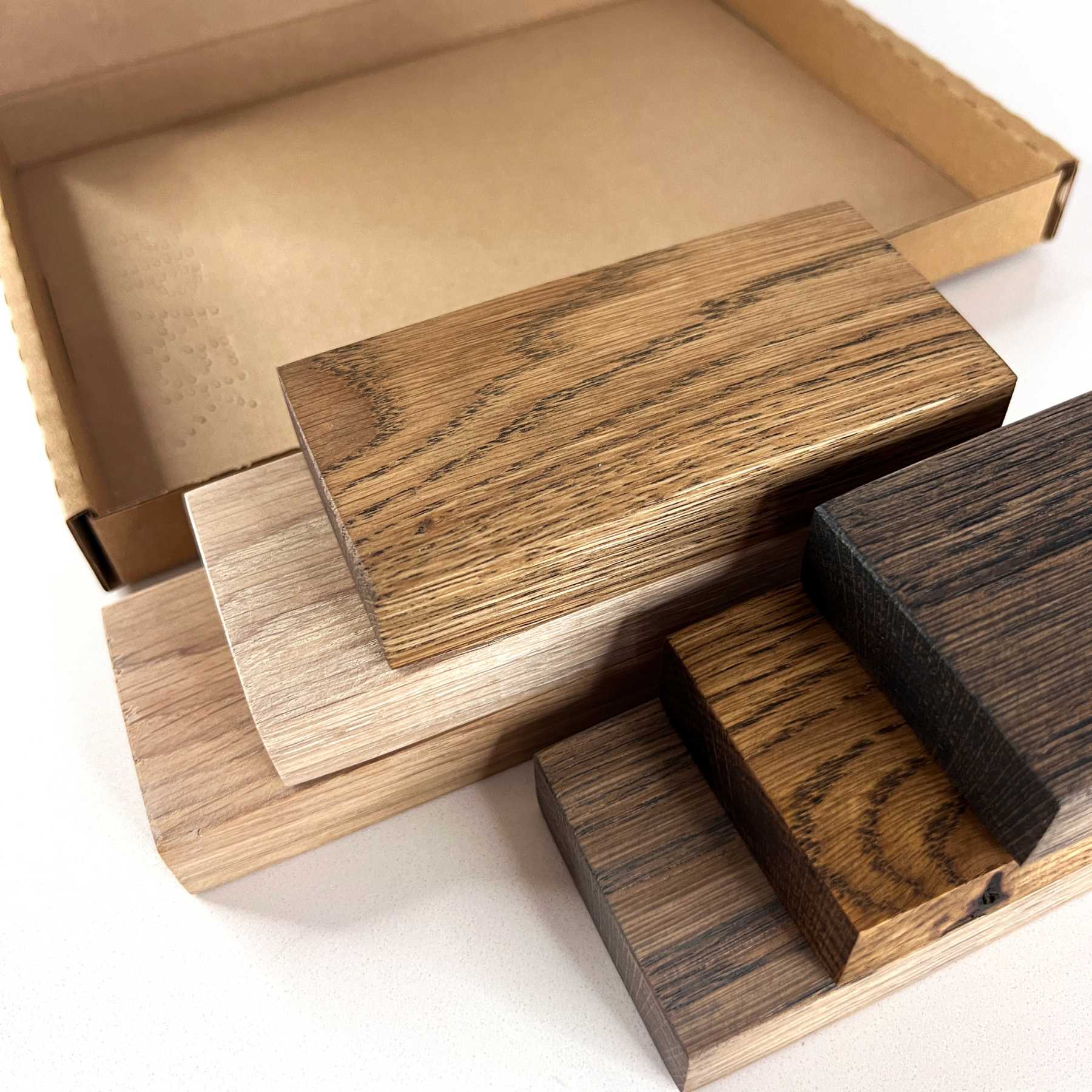
That is where working with a furniture maker makes a real difference. At Willen Rose, pieces are lovingly made in Derbyshire from solid sustainable timber, with the option to discuss dimensions and finishes before the work begins. Material samples can also help you see how an oak tone or reclaimed finish will sit with your flooring, paint and existing furniture, rather than leaving the decision to a screen image.
A made-to-order piece may take more planning than buying something off the shelf, and it will cost more than flat-pack furniture. In return, you gain a bench built for the measurements you have, the storage you need and the years ahead. For an area used every single day, that is often a worthwhile investment.
When choosing your bench, picture the busiest weekday morning rather than the tidiest version of your hallway. If it can take the shoes, bags, boots and bustle with grace, while still making you glad to come home, it has earned its place.